


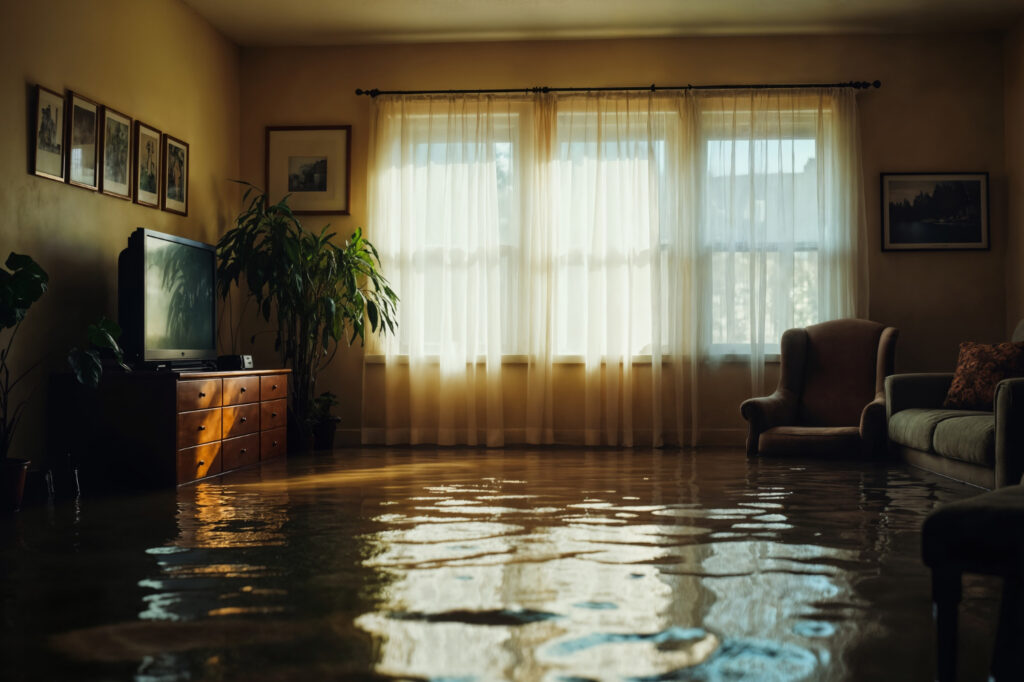
Experiencing a home flood can be overwhelming, and once the water recedes, the damage left behind can feel even harder to face. One area many homeowners immediately worry about is the furniture. Whether it’s your grandmother’s antique dresser or the sectional sofa you just bought last year, these items often carry not just financial value but emotional meaning as well. Keeping your furniture in good shape during post-flood recovery is a key part of getting your life back to normal.
Water doesn’t just leave things wet. It can cause serious damage if not handled the right way. Mold, warping, stains, and breakdown of materials are just a few of the problems that can surface quickly after a flood. That’s why it’s important to act fast and have a plan to care for your furniture. Knowing how to assess the damage, take early action, and clean the right way can make a big difference in what you’re able to save.
Assessing Flood Damage To Furniture
Once it’s safe to enter your home, your first job should be figuring out what pieces are still restorable. This step is tough but necessary. You’ll want to work through everything carefully and avoid rushing this part of the process because the earlier you catch damage, the better your chances are, especially with mold and mildew.
Start with a quick check of each item, both above and below. If the legs or base were sitting in water, moisture may have seeped upward into the frame. Lift cushions and open drawers to get a full view. Identify what’s safe to keep, what might be saved with serious cleaning, and what may need to be thrown out for health or safety reasons.
Here are a few tips to help guide your assessment:
1. Take photos of all wet or stained areas for documentation. This helps with insurance later on.
2. Give each item a sniff. Musty smells can be an early sign of mold growth.
3. Check for swelling, cracking, or parts that feel soft or loose after water exposure.
4. Prioritize furniture made of solid wood, metal, or plastic over pieces with particleboard or thin fabric. These are usually more durable and easier to salvage.
5. Set aside anything that shows signs of structural damage for a professional opinion.
Mold can develop fast in a damp environment, so the sooner you know what you’re working with, the better. Trying to clean and restore furniture without understanding the damage could make things worse or lead to bigger costs down the road.
Immediate Actions To Protect Furniture
Once you’ve sorted furniture into keep-or-toss piles, it’s time to take steps to limit further damage. Just because a chair looks okay now doesn’t mean moisture won’t creep in over the next few hours or days. Quick actions early on can prevent stains, odors, and mold, giving you a much better chance at saving your things.
Here’s what you should do right away:
1. Get furniture off the floor if it was sitting in water. Use bricks, wooden blocks, or anything strong and stable to lift pieces up and allow air to circulate underneath.
2. Remove any removable cushions, covers, or fabric pieces and spread them out in a dry space.
3. Position fans around the room to boost airflow. If you have a dehumidifier, place it near water-damaged furniture to draw out moisture.
4. Blot wood and fabric gently with dry towels to soak up surface water. Avoid scrubbing, which can drive moisture in deeper.
5. Open drawers, doors, and compartments in cabinets and dressers to let air flow through enclosed spaces.
It’s okay to feel like you’re racing the clock during these steps. In a way, you are. But simple actions like boosting airflow and separating materials can do a lot to stop damage from getting worse while you wait for professional help.
Cleaning And Restoring Different Types Of Furniture
After you’ve safely moved, dried, and removed soaked items, it’s time to clean what’s left. Different materials call for different methods, and using the wrong one can do more harm than good. Go item by item if you need to and be gentle throughout the process.
For wooden furniture, avoid pouring water directly on the surface. Instead, wipe it down with a damp cloth and then dry it right away with a clean towel. Some wood might swell or crack after being exposed to water, especially near joints or seams. Placing the item in a dry room with good airflow can help it return to shape, but if it starts to warp or separate, it may need more help than drying alone can offer.
Upholstered furniture takes more work. If fabric pieces can be removed and are safe to wash, clean them according to the care label. Don’t rely on air-drying alone, as most cushions trap moisture inside, which encourages mold. It’s best to use fans or bring in professionals to handle thorough drying. If a damp smell lingers after cleaning, that’s a sign it hasn’t dried all the way through.
Metal and plastic furniture are usually the easiest to clean. Warm soapy water gets the job done in most cases. Be sure to dry all metal parts fully to avoid rust, especially on things like cabinet hinges or chair legs.
Furniture cleaning after a flood isn’t just about how things look. It’s about making sure mold or bacteria isn’t hiding beneath the surface. Each piece has its own needs, and careful cleaning based on materials helps protect what you still have. One homeowner in Michigan who faced flooding last summer said using a leaf blower—on a low setting—helped dry the inside of a solid wood dresser faster than fans alone could. Sometimes, creative solutions are just as helpful as standard restoration tools.
Preventing Future Damage During Home Flood Damage Restoration
Once you’ve started restoring your furniture, it’s smart to think through how to avoid the same type of trouble next time. Floods are hard to predict, but there are steps to better protect your furniture in case it happens again.
Start by reviewing how water moved through your home. Did pieces on the lower level suffer most? Did water sit for hours in one spot? Answers to questions like these can help highlight where prep work is most needed.
Some helpful tips:
1. Move irreplaceable wooden or upholstered pieces upstairs if possible, especially during storm season.
2. Elevate heavier pieces slightly using furniture risers or non-damaging blocks.
3. Use water-resistant pads under furniture legs. These can help stop moisture from being pulled upward.
4. Look into slipcovers made of fabric that resists mildew for frequently used pieces.
5. Rethink layout on ground floors or basements so valuable items aren’t set against walls where leaks tend to start.
Thinking ahead matters. Once your space is cleaned and restored, putting that extra protection into place can save you time, money, and emotional stress if flooding happens again. Hiring a professional team during your home flood damage restoration makes it easier to catch every lingering risk and protect each item properly, including the furniture you care about most.
When It’s Time to Trust the Pros With Your Furniture
Dealing with water damage is a lot to take on, especially when furniture with memories is at stake. Knowing where to start, which items you can save, and what each type of material needs takes time and effort—but it’s worth it if it means keeping the pieces that matter most.
Every hour you spend drying, lifting, or cleaning gives you a better shot at saving your furniture. And when it feels like something important could still be lost, there’s no harm in calling for help. Professional teams know how to treat water-damaged furniture the right way, using the right tools and systems to give those pieces the best chance at full recovery. When handled correctly, even your most valued items can return to your home feeling as good as new.
If your furniture has been affected by water, our team at PuroClean of Bloomfield Hills is here to help restore it with care and precision. Learn how our home flood damage restoration services can make a difference in protecting what matters most to you and getting your space back to normal.