


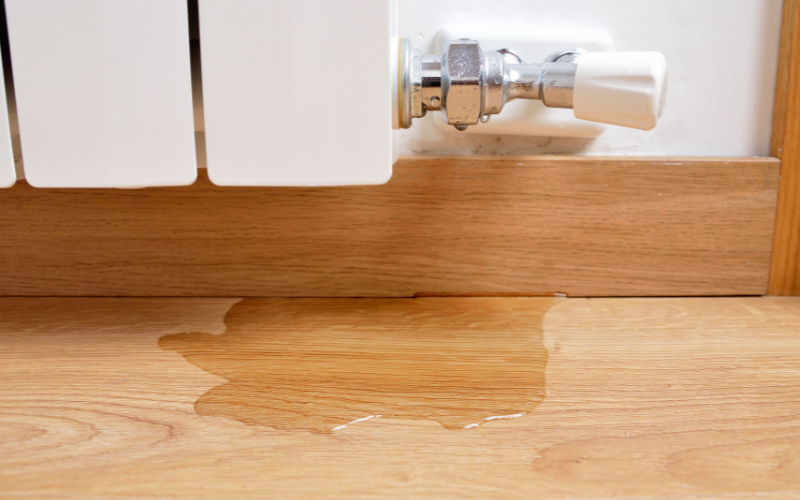
When your home has been damaged by water, fire, smoke, a storm, or another unexpected event, the first few hours can feel overwhelming. You may be trying to protect your property, determine whether it is safe to stay in the home, contact your insurance company, document the damage, and figure out who needs to be called first.
Most homeowners have never been through a major property insurance claim before, so they should not be expected to understand the restoration process before it begins.
Insurance restoration is the process of assessing property damage, preventing additional damage, documenting the loss, completing necessary mitigation and restoration work, and repairing or reconstructing the affected areas while coordinating with the homeowner and insurance professionals.
At PuroClean Restoration Specialists, our role is to help homeowners understand what happened, what needs immediate attention, what can be restored, what may need to be replaced, and what the path back to a functional home looks like.
The insurance company determines coverage according to your policy. Our job is to understand the property damage and help create a clear, documented restoration plan.
What Is Insurance Restoration?
Insurance restoration refers to the work required to restore a home or property after a covered or potentially covered loss, such as water damage, fire and smoke damage, storm damage, or another unexpected event.
Depending on the type and severity of the damage, the project may involve emergency mitigation, water extraction, structural drying, smoke or odor removal, cleaning, removal of damaged materials, repairs, and reconstruction.
The insurance claim and the restoration project are related, but they are not the same thing.
Your insurance company evaluates the claim and determines what is covered under your policy. Your restoration company evaluates the physical condition of the property and determines what work is necessary to prevent additional damage and restore the affected areas.
A successful project requires those two processes to work together while keeping the homeowner informed along the way.

What Should You Do Immediately After Property Damage?
Your first priority after property damage should be safety.
If there is active water, fire damage, structural instability, electrical risk, sewage, or another potentially hazardous condition, avoid the affected area until it can be evaluated safely. If you can stop the source of damage without putting yourself at risk, such as shutting off the home’s water supply after a plumbing failure, doing so may help prevent additional damage. For additional guidance, review our emergency utility safety tips to understand important precautions following property damage.
When conditions allow, take photographs and video of the affected areas before moving or disposing of damaged belongings. These records may be useful during the insurance and restoration process.
You should also contact a professional restoration company promptly when the property requires emergency mitigation. Damage can continue after the original event has stopped. Water can migrate into walls and flooring, moisture can remain trapped inside building materials, and smoke or soot can affect areas well beyond the room where a fire occurred.
Early assessment allows the restoration team to understand the extent of the damage and determine what needs immediate attention.
Should You Call PuroClean or Your Insurance Company First?
In many situations, those calls happen at approximately the same time.
If there is an active property emergency, you do not necessarily need to wait for an insurance adjuster to arrive before taking reasonable steps to protect the property from additional damage. Contacting a restoration company allows the property to be assessed and necessary mitigation to begin when appropriate.
You should also notify your insurance carrier promptly and follow the reporting requirements outlined in your policy.
PuroClean Restoration Specialists can document the affected areas and the restoration work and communicate relevant information to insurance professionals during the process. Your insurance carrier remains responsible for determining whether the loss is covered and what benefits are available under your specific policy.
How Does the Insurance Restoration Process Work?
Every property loss is different, but most insurance restoration projects move through five general phases.
Understanding these phases can make the process much less confusing because you will know what is happening, who is involved, and what decisions may be required from you.
1. Inspection and Damage Assessment
Before developing a restoration plan, we need to understand the damage.
The initial inspection looks at the source and extent of the loss, the areas and materials affected, immediate safety concerns, and the possibility of damage that may not be visible at first glance.
For a water loss, this may include identifying moisture beneath flooring, behind walls, around cabinetry, or in adjoining rooms. After a fire, the assessment may include evaluating smoke, soot, odor, water from firefighting efforts, and damaged building materials. The visible damage is only the starting point.
A thorough assessment helps answer important questions about what can potentially be cleaned or restored, what may need to be removed, what requires immediate mitigation, and whether reconstruction is likely to be necessary.
2. Restoration Plan and Scope
Once the damage has been evaluated, the next step is developing the restoration plan.
The scope should explain what work is recommended and why. Depending on the loss, that may include emergency mitigation, water extraction, structural drying, cleaning, removal of unsalvageable materials, odor treatment, contents handling, or reconstruction.
The objective is not automatically to remove everything that was affected. When materials can be appropriately cleaned, dried, and restored, preserving them can reduce unnecessary disruption and reconstruction.
At the same time, damaged materials should not remain simply because replacing them is inconvenient.
A well-developed scope gives the homeowner, restoration team, and insurance professionals a clearer understanding of what the project requires.
3. Insurance Documentation and Coordination
Documentation is an important part of an insurance restoration project because the insurance company needs information about the loss and the work being performed.
Depending on the project, documentation may include photographs, measurements, moisture readings, descriptions of affected materials, estimates, work performed, and changes discovered as the restoration progresses.
PuroClean Restoration Specialists works regularly with homeowners, insurance agents, adjusters, and carriers. We can provide restoration-related documentation and communicate about the scope and progress of the work.
However, there is an important distinction homeowners should understand: the restoration company documents the damage and recommends the restoration work, while the insurance company determines coverage according to the policy.
Keeping those responsibilities clear helps homeowners understand both the restoration project and the insurance process.
4. Mitigation and Restoration
Mitigation focuses on preventing the property from sustaining additional damage and stabilizing the affected areas.
For water damage, this may include extraction, removal of materials that cannot be restored, structural drying, dehumidification, cleaning, and monitoring moisture levels.
Fire and smoke restoration may involve removing damaged materials, cleaning soot and smoke residue, addressing odors, protecting unaffected areas, and evaluating contents. The exact process depends on what happened to the property.
Throughout this phase, homeowners should understand what work is being performed, what progress is being made, and whether anything has changed from the original restoration plan.
5. Reconstruction and Finishes
Once mitigation and restoration are complete, some properties require repairs before they are truly restored. Reconstruction may include drywall, flooring, paint, trim, cabinetry, fixtures, or more extensive repairs depending on the severity of the loss.
PuroClean Restoration Specialists can also handle reconstruction, allowing homeowners to move from emergency mitigation into the repair phase without having to begin an entirely new process with an unrelated contractor.
This stage may also introduce design decisions, particularly when flooring, cabinetry, paint, fixtures, or other finishes must already be replaced.
Who Is Responsible for What During an Insurance Restoration Project?
One reason insurance restoration can feel complicated is that several people may be involved, and their responsibilities are different.
The Homeowner
The homeowner reports the loss, makes decisions about the property, communicates with the insurance company, reviews the restoration plan, authorizes work, and makes selections when repairs or reconstruction require them.
You should understand what is happening to your property even when other professionals are handling much of the process.
The Insurance Carrier and Adjuster
The insurance carrier evaluates the claim and determines coverage based on the terms, conditions, limits, and exclusions of the homeowner’s policy.
The adjuster may inspect the property, review documentation and estimates, communicate about the claim, and evaluate the proposed scope from the insurance perspective.
The Restoration Company
The restoration company’s role is to evaluate the physical damage, identify immediate mitigation needs, document the affected areas, develop the restoration scope, perform the approved work, monitor progress, and communicate relevant information.
This is where technical restoration expertise becomes particularly important because the full extent of property damage is not always obvious from a visual inspection alone.
The Reconstruction Team
When repairs are necessary after mitigation, the reconstruction team returns the affected areas to a finished condition.
Depending on the project, this can include replacing drywall, flooring, cabinetry, trim, paint, fixtures, and other damaged components.
When one restoration company can manage both mitigation and reconstruction, there can be greater continuity between what was removed, why it was removed, and what needs to be rebuilt.
How Is the Restoration Scope Determined?
The restoration scope should be based on the actual condition of the property rather than simply the visible damage.
That means evaluating the source of the loss, how far the damage traveled, which materials were affected, what can reasonably be restored, what needs to be removed, and what repairs will ultimately be necessary.
Sometimes the complete scope cannot be known on the first day.
For example, water may be discovered beneath flooring after extraction begins, or additional smoke damage may become apparent as affected materials are removed. These discoveries do not necessarily mean something went wrong with the initial inspection. Property damage can exist behind finished surfaces where it cannot be fully evaluated until restoration work begins.
When the scope changes, the homeowner should understand what was discovered, why additional work is being recommended, and how the change will be documented.

What Happens if Additional Damage Is Discovered?
Discovering additional damage during restoration is not unusual, particularly when water, smoke, or fire has affected concealed areas of the home.
If additional damage is discovered, the restoration team should document the condition and explain how it changes the restoration plan.
When insurance is involved, additional documentation may also need to be provided to the carrier or adjuster for review.
The homeowner should not be left wondering why the project suddenly changed. Clear documentation and communication are particularly important when the original scope needs to be adjusted.
What Will Insurance Restoration Cost Me?
The cost of an insurance restoration project depends on the type and severity of the damage, the materials affected, the amount of mitigation required, and the extent of repairs or reconstruction.
For homeowners, it is helpful to separate three different financial questions.
What Is the Cost of the Restoration Work?
The restoration scope establishes the work required to mitigate the damage and repair the property. The size of the affected area, materials involved, labor, equipment, cleaning requirements, and reconstruction needs can all affect the overall project cost.
What Will My Insurance Cover?
Your insurance carrier determines coverage according to your specific policy and the circumstances surrounding the loss.
Coverage may be affected by deductibles, policy limits, exclusions, endorsements, depreciation, and other provisions. Because policies vary, a restoration company should not promise that a particular repair or expense will be covered.
What Could I Be Responsible for Paying?
Depending on your policy and the project, homeowner expenses may include the deductible, items that are not covered, differences in scope, or elective upgrades that go beyond the restoration work.
Before making significant additional selections, homeowners should understand which expenses are part of the insurance restoration scope and which may become their responsibility.
Cost transparency means understanding what work is being recommended, why it is necessary, what the insurance carrier has agreed to cover, and where homeowner expenses may begin.
Can I Make Upgrades During Insurance Reconstruction?
Yes. If damaged flooring, cabinetry, paint, fixtures, or other finishes already need to be replaced, reconstruction can sometimes be an efficient time to make improvements you had been considering.
However, it is important to separate restoration from upgrades.
The insurance portion of the project is generally based on repairing covered damage according to the policy and approved scope. If you decide to select a different material, upgrade a finish, redesign part of the space, or make another elective improvement, the additional cost may become your responsibility.
For example, you may decide that instead of replacing damaged flooring with a comparable product, you want to install a different flooring material throughout a larger area. You might choose upgraded cabinetry, new paint colors, different fixtures, or another improvement while reconstruction is already underway.
In some circumstances, incorporating those decisions into the reconstruction project may make more sense than completing the restoration and disrupting the same area again later.
The key is making those choices intentionally.
You should know what is being restored because of the property loss, what is included in the insurance scope, and what you are choosing to change or upgrade.
Learn More: Upgrading Your Home During Emergency Restoration
Do I Have to Use the Restoration Company My Insurance Company Recommends?
Homeowners generally have the ability to choose the restoration professional they want to work with, although you should review your individual policy and discuss any specific requirements with your insurance carrier.
A referral from an insurance company can be useful, but you should still evaluate the restoration provider based on its experience, process, communication, documentation, and ability to handle the specific type of damage affecting your property.
You are inviting a restoration company into your home during an already stressful situation. You should understand who is responsible for the work and feel comfortable asking questions throughout the process.
What Should I Look for in an Insurance Restoration Company?
Response time is important after property damage, but arriving quickly is only one part of a successful restoration project.
Look for a company that can clearly explain how it will assess the damage, document the loss, determine what can be restored, communicate changes to the scope, coordinate with insurance professionals, and manage repairs when reconstruction is necessary.
Before selecting a restoration company, consider asking:
- How will you determine the full extent of the damage?
- How will the restoration scope be documented?
- How will you decide what can be restored and what needs to be replaced?
- Who will communicate with me during the project?
- How do you work with insurance adjusters and carriers?
- What happens if additional damage is discovered?
- How will I know when mitigation is complete?
- Can you also handle reconstruction?
- How are homeowner upgrades separated from insurance restoration work?
- How will changes in cost or scope be communicated?
The answers should make the process easier to understand rather than more complicated.
Insurance Restoration FAQs
What is the difference between mitigation and reconstruction?
Mitigation focuses on stopping additional damage and stabilizing the property after a loss. Depending on the situation, that may include water extraction, structural drying, cleaning, removing damaged materials, or other emergency restoration work.
Reconstruction is the repair phase that follows mitigation when damaged building materials or finishes need to be rebuilt or replaced.
Who determines what needs to be repaired?
The restoration company evaluates the physical condition of the property and recommends the work necessary to restore it. The insurance carrier separately evaluates coverage under the homeowner’s policy.
Those two processes should not be confused. A repair may be technically necessary while coverage remains a separate insurance determination.
Who communicates with the insurance adjuster?
Both the homeowner and restoration company may communicate with the adjuster. PuroClean Restoration Specialists can provide documentation and restoration information related to the project, while the homeowner remains the policyholder and the insurance company remains responsible for coverage decisions.
What happens if more damage is found after work begins?
The newly discovered damage should be documented, the restoration plan should be updated, and the homeowner should understand why the scope has changed. When applicable, additional documentation may also be submitted to the insurance carrier for review.
Will I have out-of-pocket costs?
Possibly. Your deductible, policy limits, exclusions, uncovered work, depreciation provisions, or elective upgrades can affect the amount you ultimately pay. Your insurance carrier can explain how your policy applies to your specific claim.
Can I choose my own restoration company?
Homeowners generally have the ability to select the restoration provider they want to work with, subject to the terms of their policy and any applicable requirements. Ask your insurance carrier if you are unsure about your specific policy.
Can PuroClean handle both mitigation and reconstruction?
Yes. PuroClean Restoration Specialists provides emergency restoration and reconstruction services, allowing our team to help homeowners move from the initial property damage through mitigation and into the repair phase when reconstruction is required.
One Team From Damage Assessment Through Reconstruction
After significant property damage, homeowners already have enough decisions to make. They should not also have to become the project manager between multiple companies while trying to understand an insurance claim for the first time.
PuroClean Restoration Specialists helps homeowners navigate the physical restoration of their property from the initial damage assessment and emergency mitigation through documentation, restoration, and reconstruction when needed.
Throughout the process, our goal is to make the work understandable. You should know what happened to your property, what needs to be done, why the work is necessary, what decisions you need to make, and what comes next.
Insurance coverage is ultimately determined by your carrier and policy, but the restoration process should never feel like a mystery.
If your home or business in Frisco or the surrounding North Texas area has experienced water, fire, smoke, or other property damage, contact PuroClean Restoration Specialists for 24/7 emergency assistance and a professional assessment.