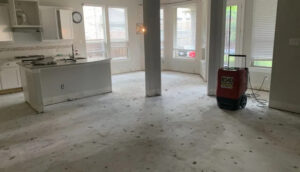
Professional mold remediation services to safely address mold growth and restore healthy indoor conditions after moisture-related damage.
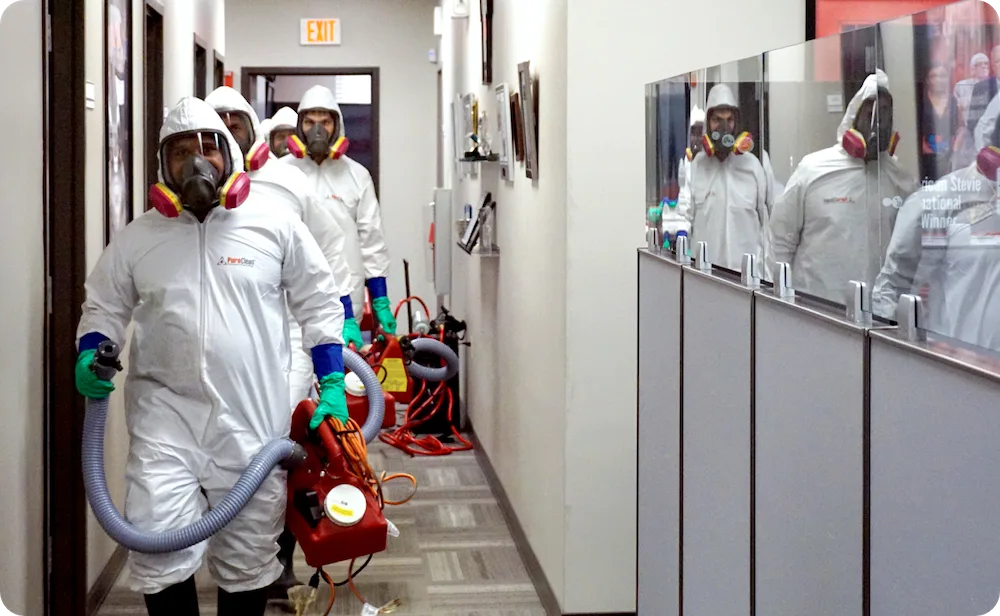
Professional mold remediation isolates the affected area, filters the air with HEPA equipment, removes or cleans contaminated materials, fixes the moisture source, and verifies the space is dry and safe to re-occupy. The key is preventing cross-contamination while the work is performed.
When you spot mold or notice a musty smell, the biggest immediate concern is often what you can’t see: disturbed spores and dust that can spread into clean rooms when people start wiping, pulling baseboards, or running the HVAC. Professional mold remediation starts by isolating the affected area so the rest of the home stays protected while the problem is removed. PuroClean of Hallandale Beach focuses on safe, methodical remediation—setting up containment, controlling airflow, and using HEPA air filtration to reduce cross-contamination while our team finds the extent of growth and the moisture source that allowed it to develop. You’ll know what areas are affected, what materials can be cleaned versus removed, and what “clear” looks like when the work is complete. In Florida’s high-cooling-season conditions, we frequently see mold tied to HVAC condensation—especially around coils, drain pans, and nearby framing—where growth can continue even after a visible patch is cleaned. That’s why we treat remediation as an indoor-air and building-materials problem, not just a surface stain, and we plan containment around how air actually moves through the home.
1: Limit spread. Keep doors to the affected area closed and avoid disturbing growth (no brushing, vacuuming, or tearing out drywall). If you have central air, consider turning it off if you suspect the system is pulling air from the affected area or blowing musty odor through vents.
2: Address obvious moisture if it’s safe. Stop active leaks or dripping supply lines, place a catch container, and move porous items (rugs, paper goods) away from damp areas. Do not run fans directly at visible mold—this can aerosolize spores.
3: Protect people. If anyone has asthma, severe allergies, is immunocompromised, or symptoms worsen in the home, relocate them away from the affected area and call for an assessment.
4: Call for containment-first remediation. The goal is to isolate, filter, and remove the problem at the source so clean areas stay clean.
We identify the likely moisture driver (leak, condensation, humidity intrusion) and map affected materials so the scope is based on what’s actually impacted—not just what’s visible.
What Our Customers Say:
When mold is disturbed, the real risk isn’t just the spot you see—it’s cross-contamination into clean rooms through foot traffic, open doorways, and return-air pathways. Without proper containment and negative-pressure control, a “small cleanup” can become a whole-home odor and dust problem. In South Florida homes, HVAC condensation is a repeat offender: growth can develop at coils or in adjacent framing, and the system can distribute fine particles even when the visible area seems limited. That’s why isolation, HEPA filtration, and verifying dryness are the non-negotiables—otherwise mold can recur and sensitive occupants may continue reacting even after surfaces look clean.
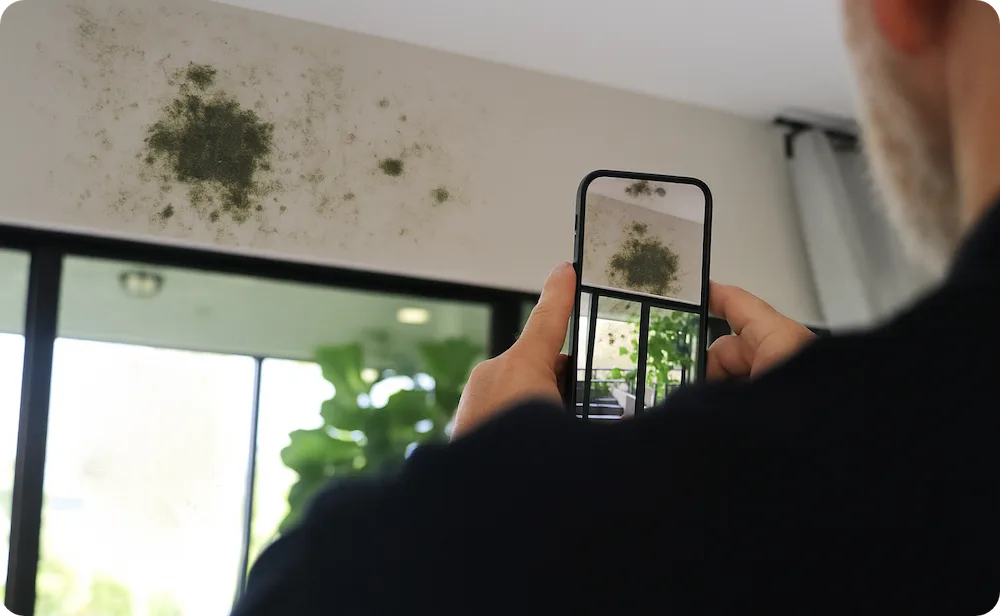
Mold remediation coverage varies widely by policy and is often tied to a covered water event (like a sudden pipe leak) versus long-term humidity or deferred maintenance. If you plan to involve insurance, take wide and close-up photos of visible growth, any staining, and the suspected moisture source, and write down when you first noticed the issue and any recent water incidents. PuroClean of Hallandale Beach can provide documentation commonly requested during a claim—work scope notes, moisture/condition observations, and before/during/after photos—so your adjuster has clear support for what was required. If an adjuster or HOA requests testing or specific reporting, share those requirements early so the remediation plan aligns with them.
If you’re worried about mold spreading beyond one room—or about whether the air is safe—start with a containment-first inspection. PuroClean of Hallandale Beach will isolate the affected area, filter the air, and outline what needs to be removed or cleaned to protect your home and the people in it. Call (754) 263-0203 to schedule an assessment.
Find answers to common questions about our services
Many projects can be completed with occupants staying in the home, as long as the affected area can be fully contained and traffic can be kept out of the work zone. You should leave (or relocate sensitive individuals) if growth is widespread, HVAC involvement is suspected, or anyone has asthma, severe allergies, or immune concerns. We’ll recommend a safe plan based on where the mold is and how air moves through the home.
The type can matter, but what matters first is exposure potential—how much is present, whether it’s being disturbed, and whether it’s impacting indoor air. Because you can’t reliably identify mold by sight, decisions shouldn’t depend on color or guesses. Containment and removal are designed to reduce exposure regardless of the species.
A proper finish includes: the moisture problem is corrected, contaminated materials are removed or cleaned appropriately, the area is dry, and the work zone is detailed-cleaned. If you want objective confirmation, post-remediation clearance testing by an independent party can verify conditions meet an agreed standard. We can advise when clearance testing is most useful based on scope, sensitivity concerns, and whether an HOA/insurer requires it.
Remediation can often begin without pre-testing when there is visible growth and a clear moisture source, because the immediate priority is safe containment and removal. Testing may be helpful when the source is unclear, symptoms persist without visible growth, or documentation is needed for an HOA, real estate transaction, or insurer. We can help you decide which path fits the situation.
Small, contained areas may take 1–3 days; larger or multi-room projects can take longer, especially when drying and material removal are involved. Timeline depends on how much demolition is required, how quickly materials dry, and whether HVAC or hidden cavities are impacted. You’ll receive a plan that matches the scope we find during inspection.
Sometimes—coverage commonly depends on whether the mold resulted from a covered, sudden water loss versus ongoing humidity or a long-term leak. The best next step is to review your policy language and report the claim promptly if you suspect it’s tied to a covered event. We can provide photos and documentation that help support what was discovered and what work was necessary.
Many projects can be completed with occupants staying in the home, as long as the affected area can be fully contained and traffic can be kept out of the work zone. You should leave (or relocate sensitive individuals) if growth is widespread, HVAC involvement is suspected, or anyone has asthma, severe allergies, or immune concerns. We’ll recommend a safe plan based on where the mold is and how air moves through the home.
The type can matter, but what matters first is exposure potential—how much is present, whether it’s being disturbed, and whether it’s impacting indoor air. Because you can’t reliably identify mold by sight, decisions shouldn’t depend on color or guesses. Containment and removal are designed to reduce exposure regardless of the species.
A proper finish includes: the moisture problem is corrected, contaminated materials are removed or cleaned appropriately, the area is dry, and the work zone is detailed-cleaned. If you want objective confirmation, post-remediation clearance testing by an independent party can verify conditions meet an agreed standard. We can advise when clearance testing is most useful based on scope, sensitivity concerns, and whether an HOA/insurer requires it.
Remediation can often begin without pre-testing when there is visible growth and a clear moisture source, because the immediate priority is safe containment and removal. Testing may be helpful when the source is unclear, symptoms persist without visible growth, or documentation is needed for an HOA, real estate transaction, or insurer. We can help you decide which path fits the situation.
Small, contained areas may take 1–3 days; larger or multi-room projects can take longer, especially when drying and material removal are involved. Timeline depends on how much demolition is required, how quickly materials dry, and whether HVAC or hidden cavities are impacted. You’ll receive a plan that matches the scope we find during inspection.
Sometimes—coverage commonly depends on whether the mold resulted from a covered, sudden water loss versus ongoing humidity or a long-term leak. The best next step is to review your policy language and report the claim promptly if you suspect it’s tied to a covered event. We can provide photos and documentation that help support what was discovered and what work was necessary.
Our mold remediation team is trained, certified, and experienced in addressing a wide range of residential mold situations. We follow industry standards and proven remediation practices to support safe, effective results.
Mold concerns can be stressful and confusing. Our team works with insurance providers when applicable to help document mold-related damage and guide homeowners through next steps with clarity and transparency.
Certain mold situations require immediate attention, especially when linked to active water intrusion. Our team is available 24/7 to respond when mold or moisture concerns need prompt action.
Water damage can result from unexpected leaks, flooding from storms, plumbing failures, or appliance malfunctions. Our certified teams focus on rapid water removal, drying, and stabilization to help prevent further damage and mold growth.
 Explore Our Water Damage Mitigation Services
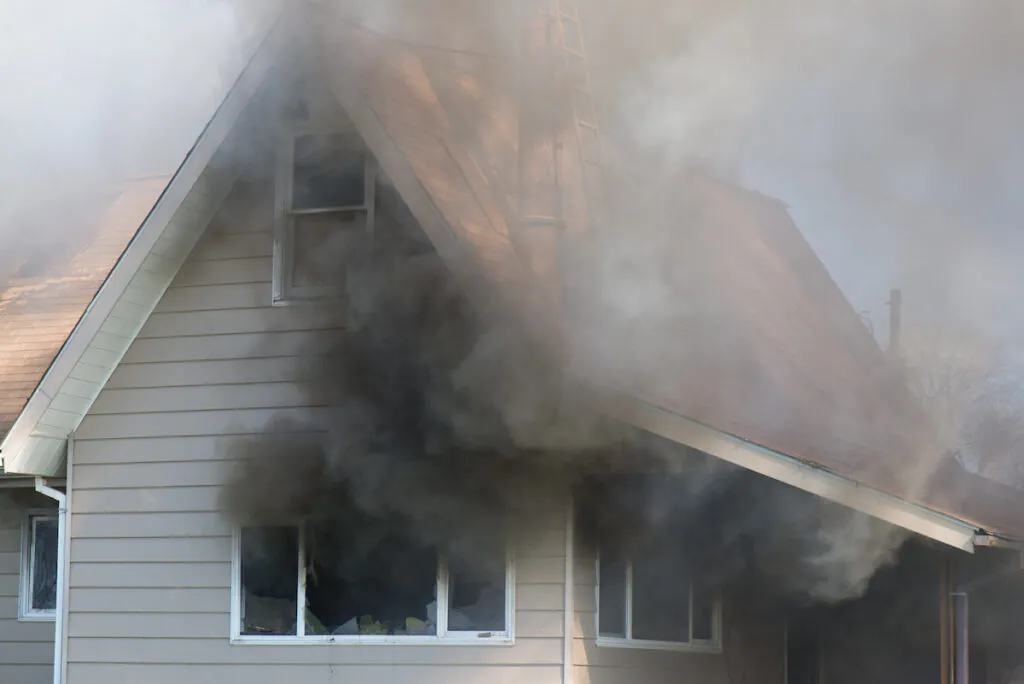
Even after a fire is extinguished, smoke, soot, and odor can continue to affect your home. Fire damage restoration services address visible damage while also helping reduce lingering effects that impact indoor air quality and surfaces.
Explore Our Fire and Smoke Damage Restoration Services
Mold often develops as a result of unresolved moisture or hidden water damage. Professional mold remediation helps identify affected areas, contain growth, and restore healthy indoor conditions.
Explore Our Mold Removal and Remediation Services
Biohazard situations, including crime scene cleanup and virus decontamination, require specialized cleaning and handling to protect health and safety. Biohazard cleanup services address contamination using proper protocols and professional care.
Explore Our Biohazard Cleanup Services
In some cases, property damage requires repairs beyond cleanup and mitigation. Reconstruction services help restore damaged areas of the home after water, fire, or other incidents, supporting a smoother transition from damage to recovery.
Explore Our Reconstruction Services Services
Water Damage Commercial Services
Explore Our Water Damage Commercial Services Services
Professional commercial fire and smoke damage restoration for Hallandale Beach, FL businesses. PuroClean of Hallandale Beach provides fire damage cleanup,
Explore Our Commercial Fire Damage Restoration Services
Certified commercial mold remediation and prevention for Hallandale Beach, FL businesses. PuroClean of Hallandale Beach provides mold assessment
Explore Our Commercial Mold Remediation Services
Licensed commercial biohazard cleanup and decontamination for Hallandale Beach, FL businesses. PuroClean of Hallandale Beach provides biohazard remediation,
Explore Our Commercial Biohazard Cleanup Services
Water damage can result from unexpected leaks, flooding from storms, plumbing failures, or appliance malfunctions. Our certified teams focus on rapid water removal, drying, and stabilization to help prevent further damage and mold growth.
Explore Our Water Damage Mitigation Services
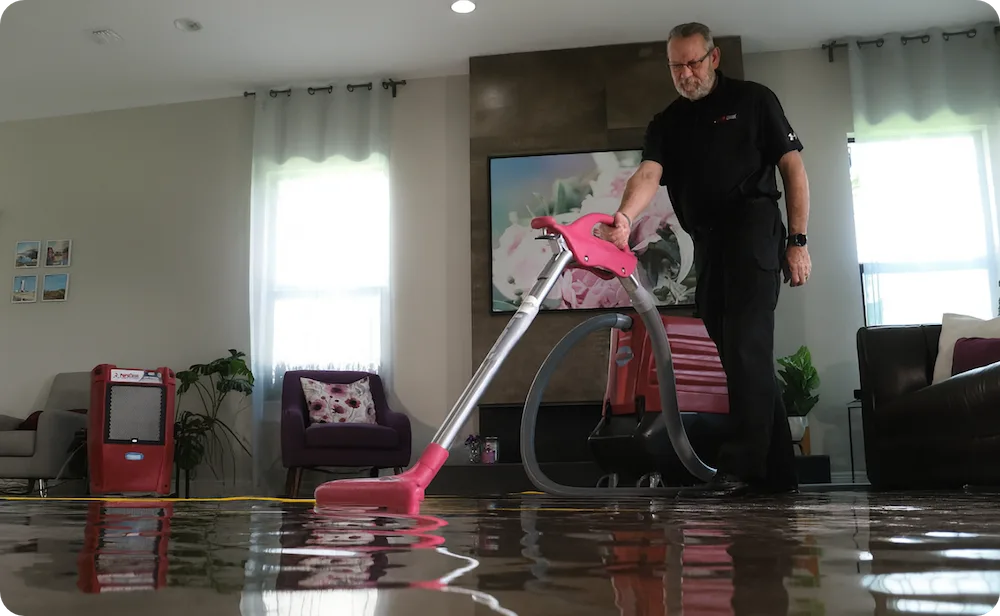

PuroClean of Hallandale Beach
(754) 263-0203
7451 Riviera Blvd, Suite 119, Miramar, FL 33023


© 2026 PuroClean. All Rights Reserved.