


7 Essential Biohazard Cleanup Guidelines for Safety
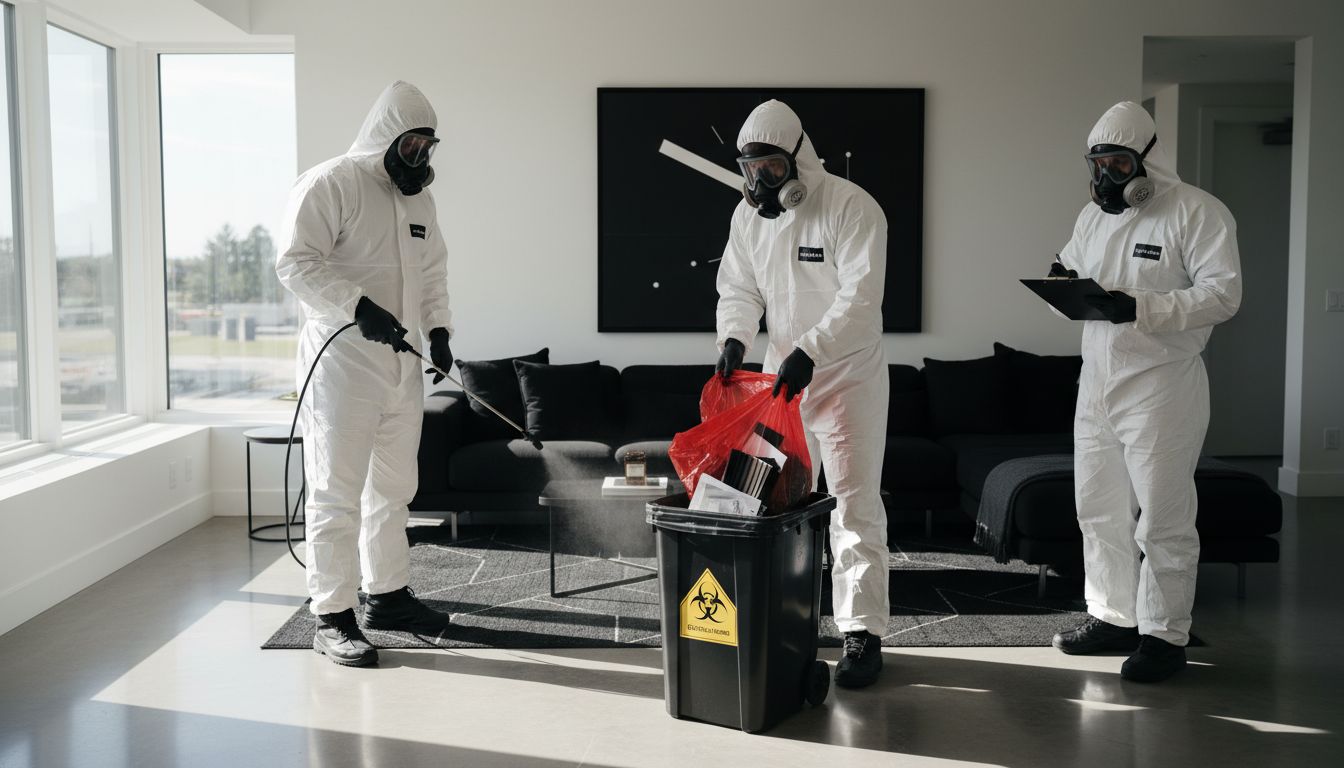
Did you know that millions of people worldwide are exposed to biohazards each year without realizing the risks? Even a small blood spill or overlooked contamination can lead to serious health problems. Knowing how to identify and safely handle biological hazards protects you, your family, and your property from invisible threats. This guide breaks down vital steps and expert strategies to keep your environment safe from potential infections.
Table of Contents
- Understand What Constitutes a Biohazard
- Use Proper Personal Protective Equipment (PPE)
- Follow Step-by-Step Containment Procedures
- Implement Safe Removal and Disposal Techniques
- Disinfect and Sanitize All Affected Areas
- Ventilate the Space to Prevent Contamination
- Work with Certified Biohazard Cleanup Professionals
Quick Summary
| Takeaway | Explanation |
|---|---|
| 1. Identify biohazards accurately | Understanding what constitutes a biohazard is crucial for safety. Look for biological agents that can cause health risks, such as blood or contaminated materials. |
| 2. Use appropriate personal protective equipment (PPE) | Always wear suitable PPE tailored to specific biohazard situations. This includes gloves, suits, and masks to protect against exposure to dangerous materials. |
| 3. Follow effective containment procedures | Isolate contaminated areas immediately to prevent the spread of biohazards. Use physical barriers and signage to restrict access and ensure safety. |
| 4. Implement safe removal and disposal techniques | Utilize color-coded containers and double-bag contaminated waste to manage biohazard disposal correctly, preventing leakage and exposure. |
| 5. Work with certified cleanup professionals | Engage certified biohazard cleanup experts for complex scenarios to ensure proper containment and elimination of health risks effectively. |
1. Understand What Constitutes a Biohazard
Biohazards are more than just a scary term biological agents capable of threatening human health through infection or exposure. Understanding what truly qualifies as a biohazard is critical for protecting yourself and others from potential health risks.
According to the Centers for Disease Control (CDC), biological hazards are disease producing agents that can transmit serious health conditions through multiple exposure routes. These pathogens range from microscopic organisms to contaminated materials that pose significant risks to human wellbeing.
Biohazards typically include:
- Human blood and bodily fluids
- Tissues from medical procedures
- Animal waste and remains
- Microbiological waste from laboratories
- Sharps like needles or surgical instruments
The potential transmission methods are diverse. As research from top public health sources indicates, biological agents can spread through air, direct person to person contact, infected animals, or contaminated food and water sources.
For property owners and managers, recognizing these hazards means understanding their potential transmission routes. A small blood spill, seemingly innocuous, could harbor bloodborne pathogens like HIV or Hepatitis. A deceased animal left unaddressed could become a breeding ground for dangerous microorganisms.
Professional biohazard cleanup isn’t just about cleanliness. It’s about comprehensive safety protocols that neutralize potential health threats. Our guide to biohazard cleanup scenarios provides deeper insights into identifying and managing these complex situations.
Remember: when in doubt about potential biological hazards, always consult professionals trained in proper identification and remediation techniques.
2. Use Proper Personal Protective Equipment (PPE)
When dealing with biohazardous materials, your first line of defense is always comprehensive personal protective equipment. PPE acts as a critical barrier between you and potentially dangerous biological agents that could cause serious health risks.
The Occupational Safety and Health Administration (OSHA) emphasizes the critical importance of proper PPE selection, use, and maintenance. This means more than just throwing on random protective gear. You need a strategic approach tailored to specific biohazard scenarios.
Essential PPE components include:
- Disposable gloves (preferably nitrile or latex)
- Full body protective suits or gowns
- Face shields or safety goggles
- Respiratory masks (N95 or higher grade)
- Waterproof or impermeable footwear covers
Protective equipment works by creating physical barriers that prevent direct contact with hazardous materials. Think of PPE like a forcefield designed to block microscopic threats. Every layer matters. A single exposed area can potentially become an entry point for dangerous pathogens.
When selecting PPE, consider the specific type of biohazard you are managing. Blood cleanup requires different protection compared to handling chemical waste or infectious materials. Always choose equipment rated for your specific risk level.
Practical tips for effective PPE usage include:
- Inspect equipment before use for any tears or damage
- Ensure proper fit and complete coverage
- Remove PPE carefully to avoid cross contamination
- Dispose of single use items immediately after exposure
Our certified biohazard cleanup guide provides additional insights into professional safety protocols. Remember: your health is the priority. When in doubt about proper protection, consult professional cleanup experts.
3. Follow Step-by-Step Containment Procedures
Containment is the critical first defense in managing biohazardous situations. Think of it like creating an invisible fortress that prevents potentially dangerous biological materials from spreading and causing wider contamination.
According to OSHA’s Bloodborne Pathogens Standard, proper containment involves strategic isolation and controlled management of hazardous materials. This isn’t just about cleaning up an area it’s about preventing potential health risks from expanding.
Effective containment requires a systematic approach:
- Immediately isolate the contaminated area
- Create clear physical boundaries using plastic sheeting or warning tape
- Restrict unauthorized personnel from entering the zone
- Ventilate the area carefully to prevent airborne particle spread
- Mark the area with clear biohazard warning signs
Successful containment begins with understanding how biological agents can travel. A single droplet of blood or bodily fluid can become a transmission vector if not handled correctly. Your goal is to minimize risk through methodical control.
Practical steps for immediate containment include using absorbent materials like specialized biohazard pads to limit liquid spread. Always work from the outer edges of the contamination zone inward to prevent unintentional cross contamination.
Our comprehensive guide to biohazard cleanup scenarios offers deeper insights into professional containment strategies. Remember that every second counts when managing potential biological risks. Rapid. Controlled. Systematic. These are the keywords for effective biohazard containment.
4. Implement Safe Removal and Disposal Techniques
Safe biohazard removal and disposal are not just cleaning procedures. They are critical public health protocols that prevent potential disease transmission and environmental contamination. One wrong move could turn a manageable situation into a significant health risk.
The Environmental Protection Agency provides comprehensive guidelines for managing potentially infectious materials. Proper disposal requires meticulous attention to detail and specialized procedures.
Key removal and disposal requirements include:
- Use color coded medical waste containers
- Double bag all contaminated materials
- Seal containers completely to prevent leakage
- Label containers with clear biohazard warnings
- Transport materials using approved containment methods
Understanding the hierarchy of waste management is crucial. Not all biohazardous materials have the same disposal requirements. Blood soaked materials differ from sharps like needles or surgical instruments. Each category demands a specific approach to neutralization and elimination.
Practical steps involve selecting appropriate containers. Red bags indicate infectious waste while puncture resistant containers are mandatory for sharp objects. Never mix different types of biohazardous waste as this can complicate safe disposal processes.
Professional intervention becomes critical when dealing with large scale or complex biohazard scenarios. Our comprehensive guide to biohazard cleanup scenarios offers deeper insights into professional waste management strategies.
Remember: Safe disposal protects not just immediate individuals but entire communities from potential infectious risks.
5. Disinfect and Sanitize All Affected Areas
Disinfection is more than wiping down surfaces. It is a strategic process of eliminating dangerous microorganisms and preventing potential disease transmission. Your goal is total pathogen neutralization through systematic cleaning techniques.
The Environmental Protection Agency provides comprehensive guidance on selecting appropriate disinfection agents. Effective sanitization requires understanding the specific pathogens and selecting targeted elimination strategies.
Critical disinfection steps include:
- Use EPA registered disinfectants
- Apply chemical solutions systematically
- Allow sufficient contact time for each surface
- Use color coded cleaning materials
- Verify complete surface coverage
Not all disinfectants work equally against different biological agents. Some solutions target specific viruses while others provide broad spectrum protection. Concentration matters as much as the chemical composition of your sanitizing agent.
Professional cleaning involves more than surface level treatment. You must penetrate microscopic areas where pathogens can hide. This means using techniques that reach into porous materials and eliminate potential transmission points.
Our comprehensive coronavirus cleaning guidelines offer additional insights into professional sanitization protocols. Remember that thorough disinfection is your primary defense against potential biological risks.
6. Ventilate the Space to Prevent Contamination
Proper ventilation is your invisible shield against airborne biological hazards. When dealing with potentially contaminated spaces, strategic air management becomes a critical defense mechanism against pathogen transmission.
The American Society of Heating, Refrigerating and Air Conditioning Engineers (ASHRAE) establishes rigorous standards for air quality management. Effective ventilation goes beyond simply opening windows it involves creating controlled air exchange that minimizes infectious particle concentration.
Key ventilation strategies include:
- Increase outdoor air circulation
- Use high efficiency particulate air (HEPA) filtration systems
- Maintain negative air pressure in contaminated zones
- Utilize directional airflow techniques
- Implement multiple air exchange cycles
Airborne pathogens can remain suspended in enclosed spaces for extended periods. Your ventilation approach must actively disrupt potential transmission routes. This means creating air movement patterns that push contaminated air out while introducing clean replacement air.
Professional biohazard teams understand that air management is as crucial as surface cleaning. Microscopic biological agents can travel through tiny air currents, making comprehensive ventilation a non negotiable safety protocol.
Our comprehensive coronavirus cleaning guidelines provide additional insights into advanced air management techniques. Remember: clean air is your first line of defense in preventing potential biological contamination spread.
7. Work with Certified Biohazard Cleanup Professionals
Biohazard cleanup is not a do it yourself project. Professional intervention becomes critical when dealing with potentially infectious or dangerous biological materials that require specialized handling and elimination techniques.
The American Bio Recovery Association provides rigorous certification standards that ensure professionals meet comprehensive safety and technical requirements. Certified cleanup specialists bring critical expertise that goes far beyond basic cleaning protocols.
Key reasons to choose certified professionals include:
- Advanced technical training
- Specialized protective equipment
- Comprehensive risk assessment capabilities
- Precise contamination elimination techniques
- Compliance with legal and health regulations
Certified professionals understand the microscopic world of biological hazards. They recognize transmission pathways invisible to untrained eyes. Their systematic approach transforms potentially dangerous environments into safely restored spaces.
These experts do more than clean. They analyze potential risks, implement strategic neutralization protocols, and ensure complete pathogen elimination. Their training covers everything from bloodborne pathogen management to advanced decontamination strategies.
Our complete guide to biohazard cleanup for property owners offers deeper insights into professional remediation processes. Remember: when biological risks are present, professional expertise is not an option. It is an absolute necessity.
Below is a comprehensive table summarizing the main concepts, steps, and strategies for handling biohazard situations discussed throughout the article.
| Topic | Description | Key Considerations |
|---|---|---|
| Biohazards | Biological agents threatening health, including blood, body fluids, and lab waste. | Recognize transmission routes, consult professionals. |
| PPE | Personal Protective Equipment is essential for safety (gloves, suits, masks). | Ensure proper fit and disposal to avoid contamination. |
| Containment | Isolation and management of areas to prevent spread. | Use barriers and signage, restrict access. |
| Removal & Disposal | Careful handling using color-coded containers and proper labeling. | Follow EPA guidelines, avoid mixing waste types. |
| Disinfection | Eliminate microorganisms using EPA-approved chemicals. | Ensure complete surface coverage and proper contact time. |
| Ventilation | Manage air circulation to reduce airborne particles. | Use HEPA filters, maintain negative pressure. |
| Professional Cleanup | Certified professionals provide technical expertise and safety. | Essential for compliance and advanced decontamination. |
Protect Your Home and Health with Expert Biohazard Cleanup
Biohazard situations require precise handling to ensure safety for you, your loved ones, and your property. The article highlights critical challenges such as proper containment, the correct use of personal protective equipment, and thorough disinfection techniques. Ignoring these key steps can lead to serious health risks from bloodborne pathogens, infectious materials, and airborne contaminants. If you face a biological hazard or worry about hidden threats, trusting certified professionals with advanced training and equipment is essential.
Choose PuroClean of Northeast Sacramento for rapid, certified biohazard cleanup services that follow the highest safety guidelines. Our team understands the complex nature of biohazard remediation and applies proven containment, removal, and sanitization methods to protect your environment both quickly and thoroughly. Don’t wait to secure the safety of your property and community. Visit PuroClean of Northeast Sacramento to learn how we can assist you. Explore our complete restoration expertise including biohazard cleanup scenarios at our biohazard cleanup guide and discover why professional response is your best defense.
Frequently Asked Questions
What are the key components of personal protective equipment (PPE) for biohazard cleanup?
To effectively manage biohazardous materials, essential PPE includes disposable gloves, full-body protective suits, face shields, and respiratory masks. Ensure that all equipment fits properly and is rated for the specific biohazard risks you are encountering.
How can I safely contain a biohazardous area during cleanup?
To contain a biohazardous area, immediately isolate the space using physical barriers like plastic sheeting or warning tape and restrict access to authorized personnel only. Mark the area with clear biohazard signs to communicate the risk and improve safety.
What steps should I follow for safe removal and disposal of biohazardous materials?
For safe removal, use color-coded medical waste containers, double-bag contaminated items, and label them clearly with biohazard warnings. Follow these steps to ensure materials are sealed and contained, ready for transport and proper disposal.
How do I disinfect surfaces affected by biohazardous materials?
Disinfecting surfaces involves using EPA registered disinfectants and allowing adequate contact time for effective pathogen neutralization. Apply the disinfectants systematically and ensure complete coverage of all affected areas.
What ventilation techniques should be used to minimize contamination risk during a biohazard cleanup?
To minimize contamination during cleanup, increase outdoor air circulation and utilize HEPA filtration systems to improve air quality. Implementing these ventilation strategies can significantly reduce airborne pathogen concentration.
Why is it important to work with certified biohazard cleanup professionals?
Certified biohazard cleanup professionals bring specialized training and equipment to manage dangerous biological materials safely. Their expertise ensures comprehensive risk assessment and effective contamination elimination, essential for restoring a safe environment.
Recommended
7 Essential Types of Commercial Cleaning for Every Space – Professional Cleaning
Guide to Biohazard Cleanup Alexandria VA for Owners
Top 5 Biohazard Cleanup Scenarios Alexandria That Need Professional Cleanup
Crime Scene Cleanup – PuroClean of Walnut Creek
Why Certified Biohazard Cleanup Alexandria Matters for Safety