


7 Essential Water Damage Prevention Tips for Property Owners
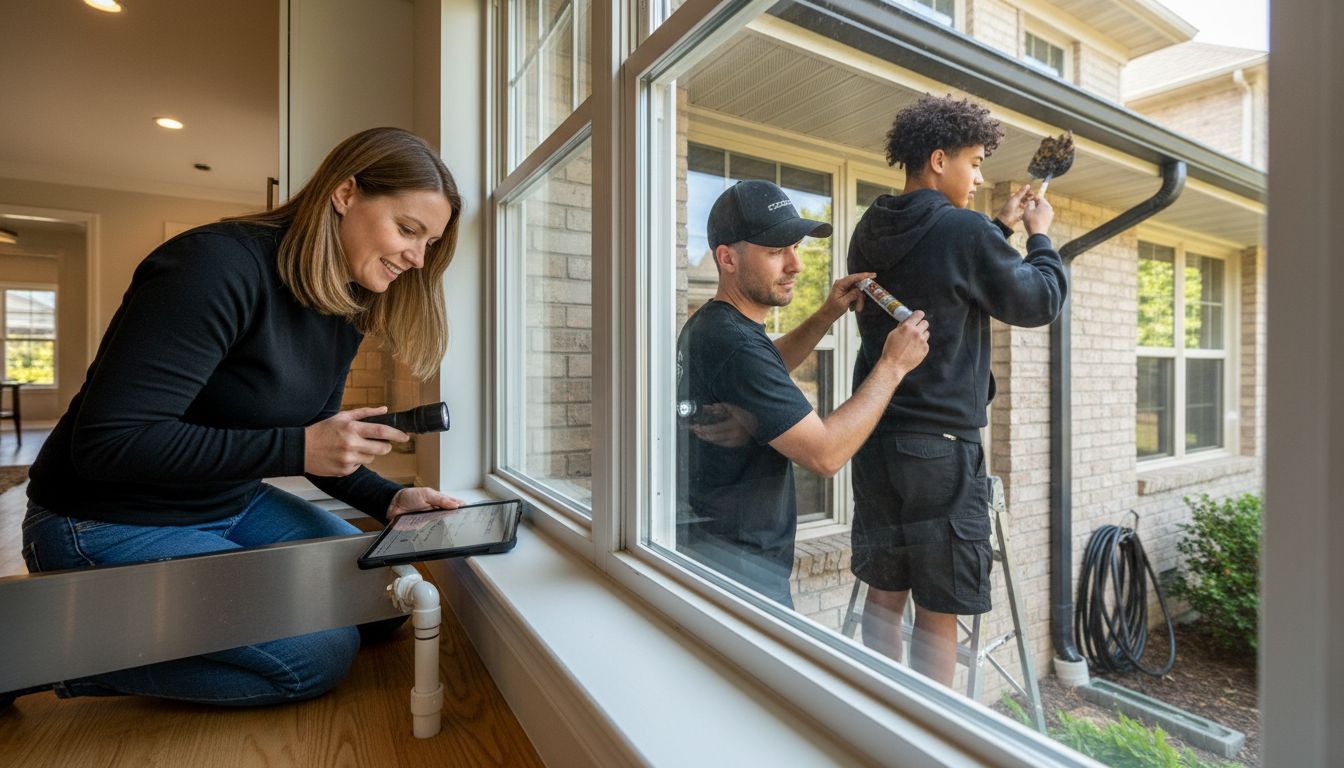
Water damage is one of the most costly headaches for the american homeowner. In fact, experts estimate repairs can easily surpass ten thousand dollars per incident. From unexpected appliance leaks to hidden foundation issues, water problems strike quickly and can leave lasting damage. Staying prepared and proactive will not only protect your property, but also save you from the stress and expense of emergency repairs. Discover steps every american property owner can take to keep their home safe and dry.
Table of Contents
- 1. Inspect And Maintain Plumbing Systems Regularly
- 2. Seal Windows And Doors To Prevent Water Intrusion
- 3. Install And Test Sump Pumps And Backup Systems
- 4. Clear Gutters And Downspouts For Proper Drainage
- 5. Monitor Appliances And Water-Using Equipment
- 6. Grade Landscaping Away From Building Foundations
- 7. Create An Emergency Water Damage Response Plan
Quick Summary
| Takeaway | Explanation |
|---|---|
| 1. Regular Plumbing Inspections Save Money | Conduct systematic plumbing checks to prevent costly water damage and protect your property’s integrity. |
| 2. Proper Sealing Prevents Water Intrusion | Seal windows and doors effectively to avoid hidden water damage that can lead to structural issues. |
| 3. Maintain Sump Pumps for Basement Safety | Regularly test and maintain sump pumps to prevent basement flooding and associated damage. |
| 4. Clear Gutters to Protect Foundations | Regularly clean gutters to ensure proper drainage and avoid potential foundation damage. |
| 5. Create an Emergency Water Response Plan | Develop and regularly update a proactive emergency plan to manage water damage swiftly and effectively. |
1. Inspect and Maintain Plumbing Systems Regularly
Protecting your property starts with understanding your plumbing systems. Regular inspections and maintenance are your first line of defense against potentially catastrophic water damage that could cost thousands in repairs.
According to the U.S. Environmental Protection Agency’s WaterSense program, routine home maintenance is crucial for preventing water waste and potential damage. This means going beyond simple visual checks and performing systematic evaluations of your entire plumbing infrastructure.
Key Maintenance Strategies Include:
- Check under sinks for signs of moisture or leaks
- Test water pressure annually
- Inspect visible pipe connections for corrosion or wear
- Run water in all fixtures periodically to prevent stagnation
The American Society of Home Inspectors recommends avoiding disposal of inappropriate items in toilets and being proactive about monitoring potential problem areas. This might mean scheduling professional plumbing assessments every 1 to 2 years, especially for older properties with aging infrastructure.
By dedicating just a few hours each year to systematic plumbing maintenance, you can potentially save yourself from expensive water damage repairs and protect your property’s structural integrity. Think of these inspections as preventative healthcare for your home.
2. Seal Windows and Doors to Prevent Water Intrusion
Water intrusion through windows and doors can silently devastate your property, creating hidden damage that may go unnoticed until significant structural problems emerge. Understanding how to properly seal these vulnerable entry points is crucial for protecting your home from water damage.
According to the Federal Emergency Management Agency, there are strategic methods to prevent water from penetrating your building envelope. These methods include barrier techniques and drainage systems that redirect water away from critical structural points.
Critical Sealing Techniques:
- Inspect window and door frames for existing cracks or gaps
- Apply high quality weatherstripping around all edges
- Use silicone based caulk for permanent water resistant seals
- Replace worn out or damaged sealing materials promptly
The Building America Solution Center recommends a comprehensive approach to window and door protection. This involves using pan flashing at sills, side flashing that overlaps pan flashing, and top flashing that extends over side flashing. These techniques create a multilayered defense against water infiltration.
By investing a few hours in thorough sealing and regular maintenance, you can prevent potentially thousands of dollars in water damage repairs. Think of these preventative measures as an insurance policy for your property’s structural integrity.
3. Install and Test Sump Pumps and Backup Systems
Basement flooding can transform your living space into a waterlogged nightmare in minutes, making sump pumps a critical line of defense for protecting your property. These unsung heroes of water management work silently to prevent catastrophic water damage before it can begin.
According to the American Society of Home Inspectors, there are two primary types of sump pumps homeowners should know about. One operates with a float mechanism that can be manually lifted to activate the pump, while the other uses a pressure switch that can be tested by carefully sucking on a tube at the plug.
Critical Sump Pump Maintenance Steps:
- Check the pump monthly for proper functionality
- Test the backup battery system quarterly
- Clean the pump and pit area annually
- Ensure discharge lines are clear and unobstructed
North Carolina State University recommends scheduling routine inspections to identify potential issues before they escalate. This means not just installing a sump pump, but actively monitoring its performance and having a reliable backup system in place.
Consider investing in a battery backup or water powered backup pump to provide additional protection during power outages or primary pump failures. These systems can be the difference between a dry basement and a costly water damage restoration project.
4. Clear Gutters and Downspouts for Proper Drainage
Your home’s gutters and downspouts are the unsung heroes of water management, silently protecting your property from potential water damage. When these critical drainage systems become clogged or neglected, they transform from protective barriers to potential sources of significant structural problems.
According to the U.S. Environmental Protection Agency’s WaterSense program, regular maintenance of outdoor drainage features is crucial for preventing water damage and improving overall water efficiency around your home.
Essential Gutter Maintenance Strategies:
- Clean gutters at least twice per year
- Check for signs of sagging or damage
- Ensure downspouts direct water at least 3 feet away from foundation
- Install gutter guards to reduce debris accumulation
The Building America Solution Center emphasizes the importance of integrating drainage systems with the overall water management strategy of your property. This means thinking beyond simple cleaning and considering how water flows away from your home’s critical structural areas.
Professional gutter maintenance might seem like an unnecessary expense, but it’s far less costly than repairing foundation damage or addressing extensive water intrusion issues. By investing just a few hours each year in proper gutter care, you can potentially save thousands in potential repair costs.
5. Monitor Appliances and Water-Using Equipment
Water-using appliances can be silent sources of potential property damage, quietly leaking and causing extensive harm before you even notice. Understanding how to proactively monitor these systems is critical for preventing unexpected water damage.
According to the U.S. Environmental Protection Agency’s WaterSense program, regular maintenance of water-using appliances is essential for ensuring efficiency and preventing potential leaks. This means going beyond simple visual checks and developing a systematic approach to monitoring.
Critical Appliance Monitoring Strategies:
- Inspect washing machine hoses quarterly
- Check refrigerator water lines for signs of wear
- Test water heater pressure relief valves annually
- Look for corrosion or moisture around appliance connections
North Carolina State University recommends periodic inspections to identify potential issues before they escalate. This proactive approach can save you from costly repairs and significant water damage.
Consider investing in smart water leak detection devices that can alert you to potential problems in real time. These technologies can provide an additional layer of protection, monitoring your appliances and water systems even when you are not physically present.
6. Grade Landscaping Away from Building Foundations
Your property’s landscaping plays a crucial role in water management, acting as the first line of defense against potential foundation water damage. Proper grading ensures that water flows away from your building instead of pooling near vulnerable structural points.
The Federal Emergency Management Agency provides clear guidelines on reducing water intrusion through strategic landscape design. The goal is simple: create a natural slope that directs water away from your foundation.
Essential Landscape Grading Techniques:
- Ensure ground slopes at least 6 inches downward within first 10 feet from foundation
- Use compacted soil to create consistent drainage patterns
- Avoid planting dense vegetation too close to building walls
- Consider installing drainage swales for additional water redirection
Building America Solution Center emphasizes that landscape grading is part of a comprehensive water management strategy. This means thinking beyond simple aesthetics and viewing your outdoor space as a functional water control system.
Professional landscaping services can help you assess and modify your property’s current grading. Even small adjustments can prevent significant water damage and protect your home’s structural integrity.
7. Create an Emergency Water Damage Response Plan
Water damage can strike without warning, turning your property into a potential disaster zone within minutes. A well-crafted emergency response plan is your critical defense mechanism against catastrophic water damage and its long-term consequences.
Federal Emergency Management Agency guidelines emphasize the importance of preparing comprehensive emergency response strategies that address immediate action steps during water intrusion events.
Critical Emergency Plan Components:
- Locate and label all main water shut-off valves
- Create a contact list for emergency restoration professionals
- Establish a family communication protocol
- Prepare an emergency kit with essential tools and documentation
- Store important documents in waterproof containers
The U.S. Environmental Protection Agency’s WaterSense program recommends developing a proactive approach that combines preventative maintenance with rapid response capabilities. This means not just having a plan, but regularly reviewing and updating it to ensure its effectiveness.
Your emergency response plan should function like a well-rehearsed fire drill. Every family member should understand their role, know where critical resources are located, and be prepared to act swiftly and confidently during a water damage event.
Below is a comprehensive table summarizing the main strategies for protecting your property from water damage as discussed throughout the article.
| Strategy | Implementation | Expected Results |
|---|---|---|
| Inspect and Maintain Plumbing Systems | Perform regular inspections; check for leaks and corrosion; schedule professional assessments for older properties. | Prevents water waste and costly repairs. |
| Seal Windows and Doors | Inspect for cracks; apply weatherstripping and caulking; use flashing for comprehensive protection. | Protects against water intrusion and structural issues. |
| Install and Test Sump Pumps | Test sump pumps and backup systems regularly; clean pump areas; ensure clear discharge lines. | Prevents basement flooding and major water damage. |
| Clear Gutters and Downspouts | Clean bi-annually; check for damage; ensure water is directed away from foundations. | Maintains proper drainage; prevents foundation damage. |
| Monitor Appliances | Inspect hoses and connections; test pressure relief valves; consider smart leak detectors. | Prevents hidden leaks and extensive property damage. |
| Grade Landscaping | Ensure proper slope away from foundation; use drainage swales if necessary. | Redirects water away from building; protects foundation. |
| Create Emergency Water Damage Response Plan | Identify shut-off valves; prepare emergency contacts and kits; store documents safely. | Ensures swift and effective response to water incidents. |
Protect Your Property from Water Damage with Expert Help
Water damage can strike suddenly leaving costly repairs and devastating disruption in its wake. The article highlights crucial prevention tips like regular plumbing maintenance, sealing windows and doors, sump pump testing, and proper drainage. These steps address common pain points such as unseen leaks, appliance failures, and landscape grading issues that threaten your home’s structural integrity and peace of mind.
Trusting the right professionals to support your water damage prevention and recovery plan is essential. At PuroClean of Northeast Sacramento, we specialize in fast, thorough water damage restoration and expert emergency response. Whether you need assistance with inspections, repairs, or swift remediation after unexpected events, our certified team is ready 24/7.
Ready to safeguard your property from costly water damage?
Contact PuroClean of Northeast Sacramento now to schedule a consultation or emergency service. Don’t wait for a small problem to become a disaster. Learn about our comprehensive restoration process and insurance support designed to give you confidence and protect your investment today.
Frequently Asked Questions
What are the best ways to maintain plumbing systems to prevent water damage?
To maintain plumbing systems, conduct regular inspections and address any signs of leaks or corrosion. Inspect under sinks, check water pressure annually, and schedule professional assessments every 1 to 2 years, especially for older properties.
How can I effectively seal windows and doors to prevent water intrusion?
To seal windows and doors, inspect frames for cracks and gaps, apply weatherstripping, and use silicone-based caulk for permanent seals. Perform these tasks annually to ensure your property remains protected from potential water damage.
What steps should I take to maintain a sump pump?
To maintain a sump pump, check its functionality monthly, test the backup battery quarterly, and clean the pump and pit area annually. These steps will help ensure your sump pump is ready to handle water intrusion when necessary.
How often should gutters and downspouts be cleaned for optimal drainage?
Gutters and downspouts should be cleaned at least twice a year to prevent clogs that can lead to water damage. Additionally, ensure downspouts direct water at least 3 feet away from your foundation after cleaning.
What measures can I implement to monitor water-using appliances for potential leaks?
To monitor water-using appliances, inspect hoses and water lines quarterly, and check connections for signs of corrosion or moisture. Consider setting reminders to perform these inspections and reduce repair costs by catching leaks early.
How can I create an effective emergency water damage response plan?
To create a response plan, locate and label all main water shut-off valves, prepare an emergency kit with essential tools, and establish a family communication protocol. Regularly review and practice your plan to ensure everyone knows their roles during a water damage event.
Recommended
WATER DAMAGE – Prevention is the Best Medicine – PuroClean of Alexandria
Water Damage Checklist (What you Should Do Immediately)
Prevent Costly Repairs with Strategic Water Damage Mitigation Techniques
Fixing Water Damage: Best Restoration Methods You Should Know