


7 Types of Fire Restoration Services Explained for Owners
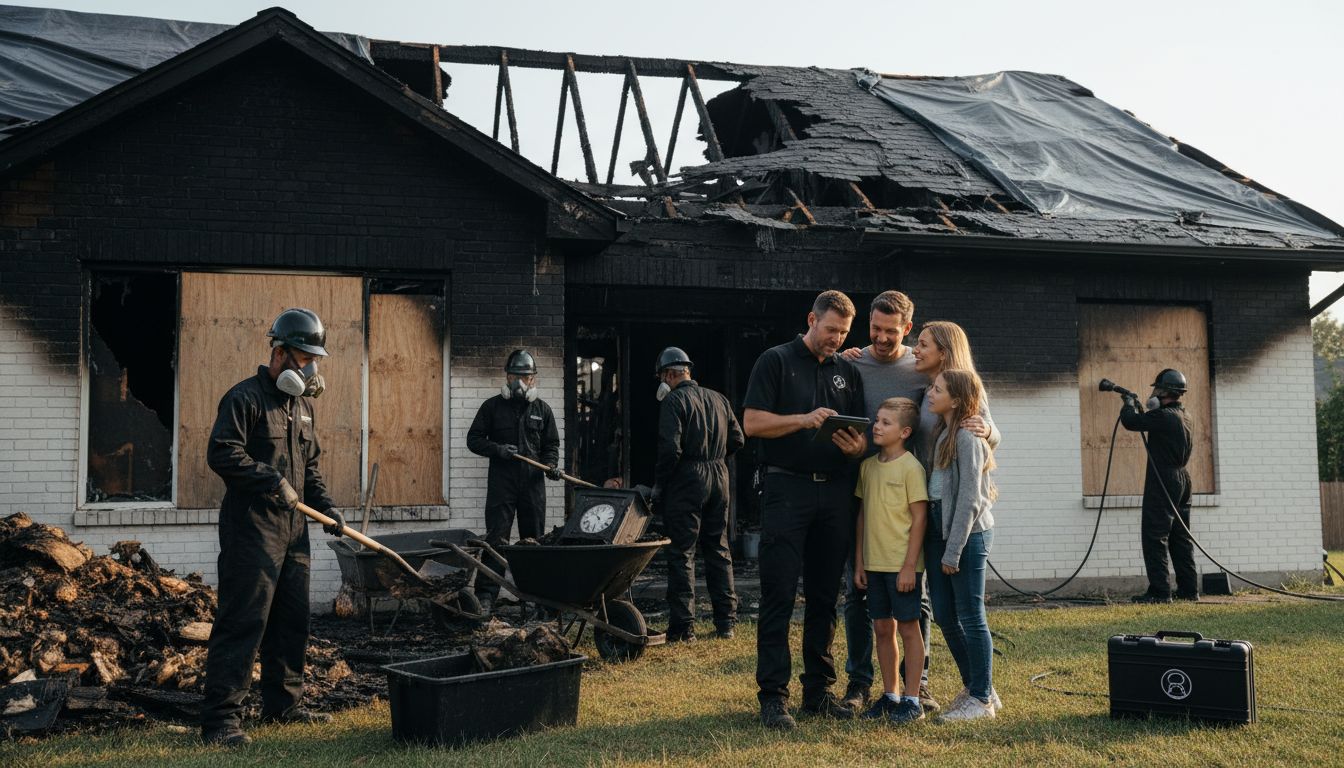
Fire can devastate a property in minutes, but the impact does not end when the flames are out. Over 50 percent of fire-damaged homes experience significant secondary damage if restoration is delayed. From hidden structural risks to lingering toxins, the aftermath introduces dangers that are hard to spot without expert help. Understanding professional fire damage restoration services helps you protect your property, make informed choices, and ensure a safe, complete recovery.
Table of Contents
- Emergency Fire Damage Assessment And Inspection
- Structural Cleaning And Debris Removal Services
- Smoke And Soot Removal Techniques
- Odor Elimination And Air Quality Control
- Water Removal And Drying After Firefighting
- Content Cleaning And Salvage Solutions
- Reconstruction And Property Restoration Process
Quick Summary
| Takeaway | Explanation |
|---|---|
| 1. Prioritize professional fire damage assessment. | Engage trained experts for safety and accurate damage evaluations before any cleanup. |
| 2. Thoroughly manage structural cleaning and debris removal. | Proper removal of contaminants is essential to prevent health risks and secondary damage. |
| 3. Invest in advanced smoke and soot removal techniques. | Specialized cleaning methods are crucial for effectively addressing deep-seated contamination and protecting health. |
| 4. Address water removal immediately after fire. | Timely expert intervention minimizes potential long-term damage from water used during firefighting efforts. |
| 5. Utilize content cleaning and salvage solutions. | Professional restoration can recover personal items, reducing replacement costs and preserving memories. |
1. Emergency Fire Damage Assessment and Inspection
When a fire strikes your property, the first critical step is conducting an immediate and comprehensive damage assessment. This crucial phase determines the extent of destruction and provides a roadmap for restoration efforts. According to the City of Syracuse, property owners must prioritize safety and professional evaluation before attempting any cleanup or re-entry.
The emergency assessment involves a systematic inspection that goes far beyond visual observations. Trained restoration professionals will thoroughly examine your property for structural integrity risks, hidden damage, and potential safety hazards. This evaluation helps identify compromised areas that might not be immediately apparent to an untrained eye.
During the inspection, experts will carefully analyze multiple aspects of fire damage:
- Structural components: Checking walls, floors, roof, and foundational elements for potential collapse risks
- Smoke and soot damage: Evaluating the extent of smoke penetration in different materials
- Water damage: Assessing moisture levels from firefighting efforts
- Electrical systems: Determining potential electrical hazards and system functionality
As Eagle Mountain’s Emergency Operations Plan emphasizes, professional assessment teams play a critical role in establishing a comprehensive damage report. This documentation becomes essential for insurance claims and developing a targeted restoration strategy.
For property owners, the key is to never attempt personal inspections without professional guidance. Fire damage can create invisible dangers like weakened structures, toxic residues, and electrical risks. Professional restoration teams come equipped with specialized protective gear and advanced diagnostic tools to conduct safe and thorough assessments.
By investing in a comprehensive emergency fire damage assessment, you protect yourself from potential secondary damages and create a clear path toward effective property restoration.
2. Structural Cleaning and Debris Removal Services
Fire damage extends far beyond visible destruction. Structural cleaning and debris removal represent the critical second phase of fire restoration, transforming a damaged property from a hazardous site to a recoverable space. Structural Cleaning and Decontamination requires professional expertise to safely manage complex contamination challenges.
Professional restoration teams approach structural cleaning with meticulous precision. The process involves comprehensive removal of charred materials, toxic residues, and potential health hazards. According to the Federal Alliance for Safe Homes, proper debris management is crucial for preventing secondary damage and protecting human health.
Key steps in structural cleaning and debris removal include:
- Systematic removal of burned building materials
- Identification and separation of hazardous versus non hazardous debris
- Thorough sanitization of remaining structural components
- Proper disposal of contaminated materials following environmental regulations
The New Mexico Department of Homeland Security and Emergency Management emphasizes that wildfire and fire damage debris can pose significant health risks. Professional teams use specialized protective equipment and advanced cleaning technologies to ensure thorough decontamination.
Beyond physical cleaning, this service also involves careful documentation for insurance purposes. Restoration professionals will catalog damaged items, track cleaning progress, and provide comprehensive reports that support your recovery process.
For property owners, investing in professional structural cleaning means more than surface level restoration. It represents a critical step in returning your property to a safe, habitable condition while mitigating potential long term health and structural risks.
3. Smoke and Soot Removal Techniques
Smoke and soot represent some of the most insidious and damaging consequences of a fire, penetrating deep into materials and causing long lasting contamination. Understanding advanced smoke and soot removal techniques is crucial for preserving your property and protecting your health. Is Soot Dangerous? provides critical insights into the potential risks associated with these pervasive fire byproducts.
According to the Utah State University Extension, smoke and soot removal requires specialized approaches tailored to different surfaces and materials. Professional restoration experts utilize sophisticated techniques that go far beyond standard cleaning methods.
Key strategies for comprehensive smoke and soot removal include:
- Dry cleaning techniques for light soot deposits
- Wet cleaning methods for moderate residue buildup
- Chemical sponge treatments for non porous surfaces
- HEPA vacuum systems for removing microscopic particles
- Thermal fogging to neutralize deeply embedded odors
The City of Syracuse emphasizes the importance of professional intervention, particularly when dealing with delicate surfaces like wood furniture and clothing. Improper cleaning can permanently set stains and spread contaminants.
Soot is more than just a visual nuisance. These tiny carbon particles can contain toxic chemicals that pose significant health risks. Professional restoration teams use advanced protective equipment and specialized cleaning agents to safely remove these hazardous residues.
For property owners, attempting DIY smoke and soot removal often leads to additional damage. Professional techniques not only clean visible surfaces but also address hidden contamination in walls, ventilation systems, and personal belongings. Investing in expert smoke and soot removal ensures a thorough restoration that protects both your property and your health.
4. Odor Elimination and Air Quality Control
Fire damage extends far beyond visible destruction smoke odors can linger for months and compromise your indoor environment. Professional odor elimination and air quality control represent critical restoration strategies that protect both your property and your health. Symptoms of Poor Air Quality reveal the complex challenges posed by fire generated contaminants.
According to the Utah State University Extension, effective odor elimination requires comprehensive approaches that go beyond surface cleaning. Professional restoration experts use sophisticated techniques designed to neutralize smoke molecules embedded in materials and ventilation systems.
Key strategies for comprehensive odor elimination include:
- Thermal fogging treatments
- Advanced air purification systems
- HEPA filtration technologies
- Ozone treatment for deep odor neutralization
- Hydroxyl radical generators
- Specialized cleaning agents targeting smoke molecules
The City of Syracuse emphasizes the importance of thorough surface cleaning and textile treatment to address persistent smoke smells. Odor molecules can penetrate deeply into porous materials creating long term contamination risks.
Professional air quality control involves more than simply masking unpleasant smells. Restoration experts conduct detailed assessments to identify specific contaminant types and develop targeted elimination strategies. This approach ensures complete removal of smoke residues and potential health hazards.
For property owners, investing in professional odor elimination means restoring not just the physical space but creating a safe healthy environment. Advanced technologies can neutralize odors at a molecular level providing comprehensive restoration that DIY methods simply cannot achieve.
5. Water Removal and Drying After Firefighting
Firefighting efforts often leave behind significant water damage that can be just as destructive as the fire itself. Understanding water removal and drying techniques becomes critical in preventing secondary damage to your property. What to Do after A House Fire highlights the urgency of addressing water damage immediately.
According to the Federal Alliance for Safe Homes, professional water removal involves far more than simply mopping up visible puddles. Restoration experts use advanced techniques to extract moisture from hidden spaces and prevent long term structural complications.
Critical steps in water removal and drying include:
- Industrial grade water extraction equipment
- High capacity dehumidification systems
- Infrared moisture detection technology
- Specialized air movement and circulation techniques
- Comprehensive structural drying protocols
- Antimicrobial treatments to prevent mold growth
The City of Syracuse emphasizes that water damage can quickly escalate into mold and structural issues if not addressed promptly. Professional restoration teams work quickly to prevent moisture from compromising your property’s integrity.
Water removal goes beyond surface level cleaning. Restoration professionals use advanced diagnostic tools to detect moisture in walls, floors, and hidden structural cavities. This comprehensive approach ensures complete drying and prevents potential long term damage.
For property owners, professional water removal represents a critical investment in protecting your property. By addressing water damage immediately and thoroughly, you can prevent costly structural repairs and potential health risks associated with moisture and mold growth.
6. Content Cleaning and Salvage Solutions
Fire damage can transform cherished possessions into seemingly irreparable items. Content cleaning and salvage solutions offer hope by rescuing belongings that might otherwise be considered total losses. How to Clean Smoke Damage from House Contents reveals the sophisticated techniques professionals use to restore your personal items.
According to the Utah State University Extension, professional content cleaning involves far more than simple washing. Restoration experts utilize specialized techniques tailored to different materials and levels of damage.
Advanced content restoration strategies include:
- Ultrasonic cleaning technologies
- Specialized textile restoration processes
- Electronic equipment decontamination
- Document and photograph preservation techniques
- Furniture and upholstery restoration methods
- Climate controlled storage during restoration
The City of Syracuse emphasizes the importance of professional assessment in determining which items can be safely restored. Not all damaged items can or should be salvaged.
Professional content cleaning goes beyond surface restoration. Experts use advanced diagnostic tools to evaluate items for potential health risks associated with smoke residues and soot contamination. This comprehensive approach ensures that restored items are not just clean but truly safe for use.
For property owners, content cleaning and salvage solutions represent more than just restoration. They provide an opportunity to preserve memories, reduce replacement costs, and restore a sense of normalcy after a traumatic fire event.
7. Reconstruction and Property Restoration Process
Fire damage transforms a property into a complex restoration challenge that requires far more than simple repairs. Reconstruction and property restoration represent the final critical phase of recovery, transforming a damaged structure back to its original condition. Reconstruction Services in Granite City showcases the comprehensive approach needed to fully restore a fire damaged property.
According to Eagle Mountain’s Emergency Operations Plan, property reconstruction involves systematic coordination between multiple professional disciplines to ensure comprehensive restoration.
Critical steps in reconstruction and restoration include:
- Comprehensive structural assessment
- Detailed damage documentation
- Obtaining necessary restoration permits
- Structural reinforcement and repair
- Electrical and mechanical systems restoration
- Interior finishing and reconstruction
- Final safety and quality inspections
The City of Syracuse emphasizes the critical importance of working with licensed contractors who understand local building codes and restoration requirements. Professional reconstruction goes beyond surface level repairs to ensure structural integrity and safety.
Reconstruction is more than rebuilding. It represents an opportunity to improve your property’s resilience by incorporating modern building techniques and materials that can better withstand potential future incidents.
For property owners, professional reconstruction services offer peace of mind. By entrusting your property to expert restoration professionals, you ensure a thorough comprehensive recovery that addresses both visible and hidden damage.
This table summarizes the key steps and components involved in the process of fire damage assessment and restoration, including inspection, cleaning, odor elimination, and property reconstruction.
| Phase | Key Actions | Benefits/Outcomes |
|---|---|---|
| Emergency Fire Damage Assessment | Professional assessment of structural integrity, smoke, soot, and electrical systems. | Ensures safety, guides restoration, and provides insurance documentation. |
| Structural Cleaning and Debris Removal | Removal of charred materials, hazardous debris separation, and sanitization. | Prevents secondary damage and health hazards. |
| Smoke and Soot Removal | Utilizes dry and wet cleaning, chemical sponges, and thermal fogging. | Effective removal and prevention of long-term contamination. |
| Odor Elimination and Air Quality Control | Employs thermal fogging, air purification, and ozone treatment. | Restores safe, healthy indoor environments and eliminates odors. |
| Water Removal and Drying | Use of industrial extraction and dehumidification systems. | Prevents mold growth and long-term structural issues. |
| Content Cleaning and Salvage | Specialized techniques for different materials, climate-controlled storage. | Restores personal items and reduces replacement costs. |
| Reconstruction and Property Restoration | Structural assessment, repair, and finishing with modern materials. | Ensures comprehensive recovery and enhances property resilience. |
Restore Your Property with Trusted Fire Damage Experts
Recovering from fire damage involves so much more than just cleaning up visible destruction. From emergency fire damage assessments to smoke and soot removal, odor elimination, and complete reconstruction the challenges can feel overwhelming. Key concerns like safety risks, hidden moisture, toxic residues, and structural integrity require expert attention to truly protect your home or business.
At PuroClean of Northeast Sacramento, we understand these critical restoration phases and offer fast, professional solutions tailored to each unique situation. Whether you need comprehensive fire and smoke restoration, water removal after firefighting, or sensitive content cleaning and salvage, our certified experts use advanced technology and proven methods to safeguard your property and health every step of the way.
Don’t wait until hidden damage worsens or odors linger unchecked. Visit PuroClean of Northeast Sacramento now for immediate emergency response and detailed restoration services you can trust. Protect your investment and your peace of mind with a team committed to quick, thorough recovery guided by industry certifications and compassionate customer care.
Frequently Asked Questions
What is the first step in the fire restoration process?
The first step is conducting an emergency fire damage assessment and inspection. Schedule a professional assessment as soon as possible to ensure safety and determine the extent of the damage.
How does structural cleaning and debris removal work after a fire?
Structural cleaning involves the systematic removal of charred materials and hazardous debris. Hire a professional restoration team to manage this process effectively and prevent secondary damage to your property.
What techniques are used for smoke and soot removal?
Smoke and soot removal requires specialized techniques such as dry cleaning, wet cleaning, and HEPA vacuuming. Contact a restoration expert to ensure thorough removal of these harmful residues for effective property restoration.
How can I eliminate persistent odors after a fire?
Professional odor elimination involves advanced strategies like thermal fogging and air purification systems. Engage a restoration service to apply these methods and restore fresh air quality in your space.
What are the steps involved in water removal and drying after firefighting?
Water removal includes extracting moisture with industrial-grade equipment and using dehumidifiers to prevent mold growth. Act quickly by hiring professionals to address any water damage within the first 24-48 hours.
How can content cleaning and salvage solutions help with personal belongings affected by fire?
Content cleaning involves specialized restoration methods to salvage items from fire damage. Consult with restoration experts to assess which of your belongings can be safely restored and to initiate the cleaning process.
Recommended
7 Essential Home Maintenance Checklist Steps for 2025 – Fanis Makrigiannis
Realtor®
The Anatomy of a Fire Damage Job – PuroClean Property Damage Experts
The Stages of the Fire Damage Restoration Process
Choosing the Best Fire Restoration Company