


Fire Damage Restoration Explained: Complete Process Guide
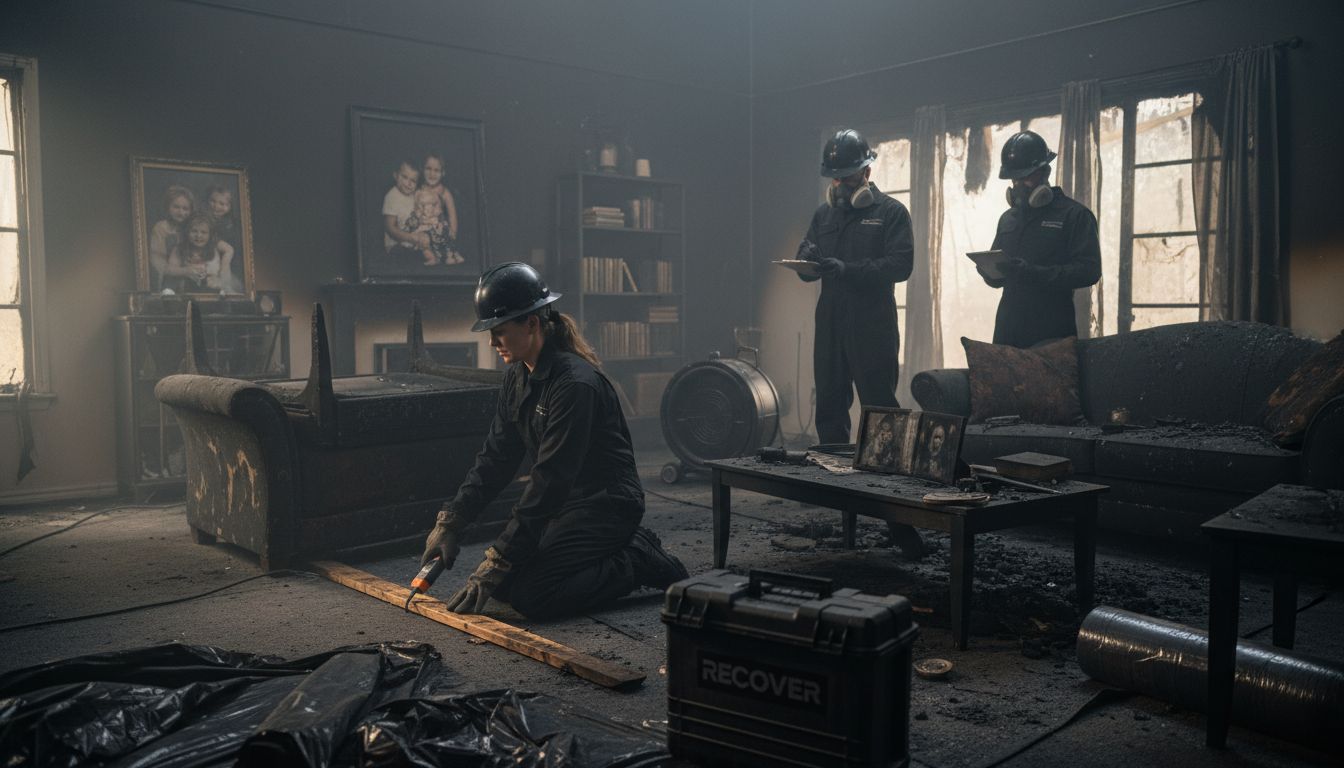
More than 350,000 homes experience fires in the United States each year, leaving families with serious damage and lasting emotional stress. When flames and smoke sweep through a property, the devastation is immediate, but hidden threats linger long after the fire is out. Professional fire damage restoration not only repairs what you can see, but also tackles structural risks, toxic residues, and future safety concerns, helping families recover their homes and peace of mind.
Table of Contents
- What Is Fire Damage Restoration?
- Types of Fire and Smoke Damage
- Step-By-Step Restoration Process
- Safety, Health, and Legal Considerations
- Insurance Claims and Cost Factors
Key Takeaways
| Point | Details |
|---|---|
| Comprehensive Restoration Process | Fire damage restoration involves a structured approach addressing assessment, mitigation, cleaning, and structural repairs to ensure safety and recover normalcy. |
| Varied Fire and Smoke Damage Types | Different types of fire and smoke damage necessitate tailored restoration techniques to effectively manage unique residues and compounds. |
| Health and Safety Protocols | Robust safety measures, including the use of personal protective equipment, are crucial to mitigate health risks from toxic substances in post-fire environments. |
| Insurance Navigation | Successfully managing insurance claims requires detailed documentation and collaboration with professionals to maximize coverage and recover restoration costs effectively. |
What Is Fire Damage Restoration?
Fire damage restoration is a comprehensive professional process designed to repair and rehabilitate properties after experiencing fire, smoke, and water damage. According to the National Park Service research, this specialized service involves complex techniques that go far beyond simple cleaning and repair. Fire damage restoration addresses structural integrity, debris removal, comprehensive cleaning, and preventing secondary damage like mold growth.
The restoration process typically includes several critical stages. First, professionals conduct a thorough damage assessment to understand the full extent of destruction caused by flames, smoke, and firefighting efforts. This initial evaluation helps create a strategic restoration plan that addresses both visible and hidden damage. Professionals use advanced technologies and specialized equipment to remove soot, neutralize smoke odors, clean affected surfaces, and restore the property to its pre-fire condition.
Beyond physical repairs, fire damage restoration guide involves critical preventative measures. Technicians work to mitigate potential long-term consequences like structural weakening, corrosion from smoke residues, and dangerous mold development. This comprehensive approach ensures not just aesthetic restoration, but also guarantees the safety and structural integrity of the damaged property.
The ultimate goal of fire damage restoration is to help property owners recover from a traumatic experience by professionally managing the complex recovery process. By addressing physical damage, potential health hazards, and emotional stress, restoration experts provide a critical service that helps families and businesses rebuild and restore normalcy after a devastating fire.
Types of Fire and Smoke Damage
Understanding the different types of fire and smoke damage is crucial for effective restoration. According to the Centers for Disease Control and Prevention (CDC), smoke damage varies dramatically depending on the materials burned, creating unique challenges for restoration professionals. Synthetic fires involving plastics produce particularly challenging residues characterized by black, smudgy deposits and intense synthetic odors that penetrate deeply into materials.
Several distinct categories of fire and smoke damage exist. Protein-based fires, such as those involving cooking oils and meats, create distinctively greasy, yellowish-brown residues with extremely pungent odors that cling tenaciously to surfaces. Wood and paper fires generate gray to black powdery residues that can quickly spread throughout a property, coating surfaces and causing significant discoloration. smoke odor removal techniques become essential in managing these complex residue types.
The complexity of smoke damage extends beyond visible residues. Different materials produce unique chemical compounds when burned, which can cause long-term structural damage and health risks. Electrical fires, for instance, create particularly corrosive residues that can rapidly deteriorate metal components and electronic systems. Smoke particles can be microscopic, penetrating deep into porous materials like fabrics, walls, and furniture, making comprehensive cleaning and restoration a sophisticated and technical process.
Ultimately, professional fire damage restoration requires specialized knowledge to identify and effectively address these diverse damage types. Restoration experts must understand the chemical composition of different smoke residues, select appropriate cleaning techniques, and employ advanced technologies to fully restore a property to its pre-fire condition. Each type of fire and smoke damage demands a tailored approach to ensure complete and safe recovery.
Here’s a comparison of common types of fire and smoke damage and their key characteristics:
| Type of Damage | Common Sources | Residue Appearance | Odor Characteristics |
|---|---|---|---|
| Synthetic | Plastics, electronics | Black, smudgy | Strong, chemical |
| Protein-based | Cooking oils, meats | Yellow-brown, greasy | Sharp, pungent |
| Wood/paper | Wood, paper materials | Gray-black, powdery | Smoky, lingering |
| Electrical | Wiring, appliances | Corrosive, sticky | Acrid, harsh |
Step-By-Step Restoration Process
Fire damage restoration follows a systematic and meticulously planned approach to effectively recover properties after devastating fire incidents. According to the National Park Service research, the process involves six critical stages designed to comprehensively address the complex challenges of fire and smoke damage.
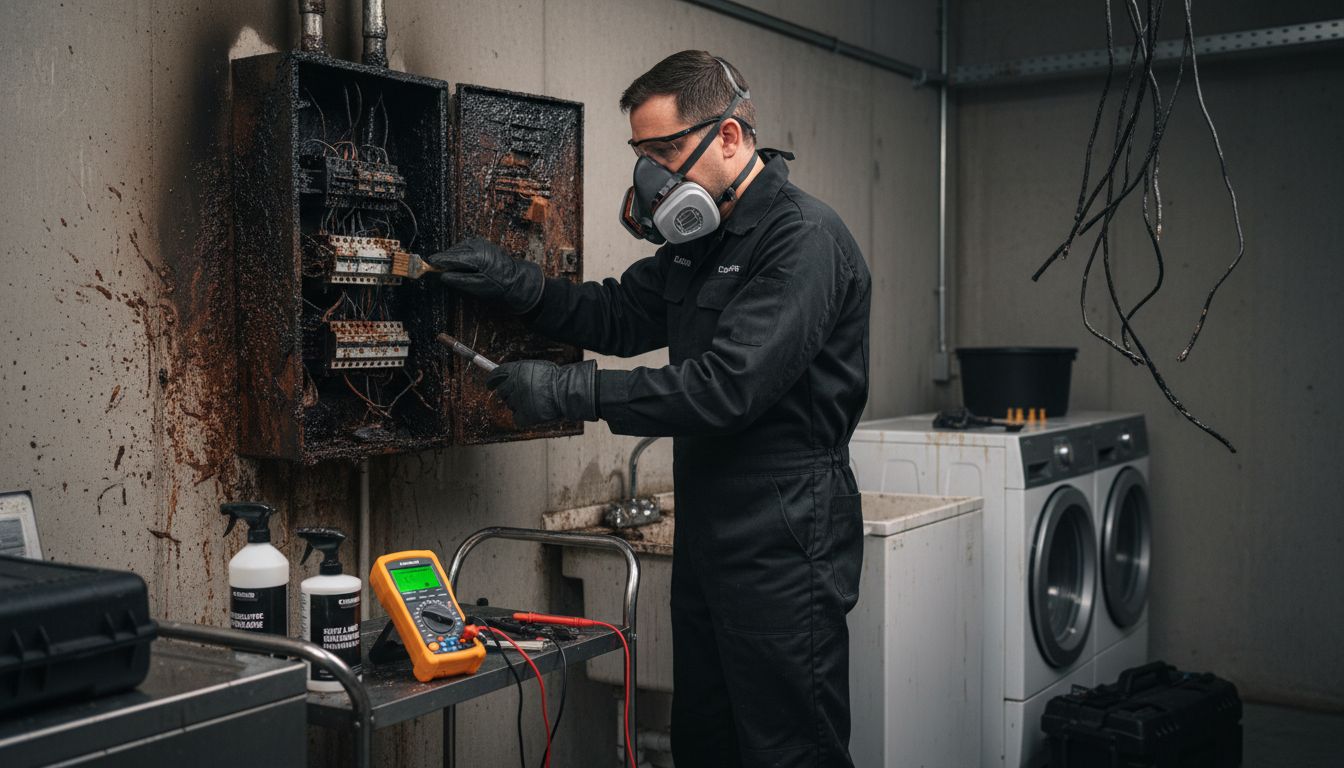 Property assessment serves as the crucial first step, allowing restoration professionals to evaluate the full extent of destruction and develop a strategic recovery plan.
The initial stages focus on immediate property protection and damage mitigation. Professionals quickly secure the property to prevent additional damage, which includes boarding up windows, covering damaged roofs, and stabilizing compromised structural elements. fire damage recovery guide emphasizes the importance of water removal and thorough drying, especially when firefighting efforts have saturated the property. Specialized water extraction equipment and industrial-grade dehumidifiers are employed to eliminate moisture and prevent potential mold growth.
Subsequent restoration stages involve intensive cleaning and restoration techniques. Technicians use advanced methods to remove soot, smoke residues, and odors from surfaces, employing specialized cleaning solutions and equipment tailored to different material types. This phase includes deep cleaning of walls, floors, furniture, and personal belongings, often utilizing techniques like dry cleaning, wet cleaning, and targeted chemical treatments to restore items to their pre-fire condition.
The final stages of restoration focus on structural repairs and comprehensive reconstruction. This involves repairing or replacing damaged building components, addressing electrical and structural issues, and ensuring the property meets all safety standards. The ultimate goal is not just aesthetic restoration, but creating a completely safe and habitable environment that allows property owners to fully recover from the traumatic experience of a fire.
Safety, Health, and Legal Considerations
Fire damage restoration involves complex safety challenges that extend far beyond typical property repair. According to the Centers for Disease Control and Prevention (CDC), post-fire environments contain numerous toxic hazards that pose significant health risks to restoration professionals and property owners alike. These environments can harbor dangerous substances like carbon monoxide, hydrogen cyanide, and other hazardous chemicals that require specialized protective measures and professional intervention.
Health protection demands rigorous safety protocols during the restoration process. Personal protective equipment (PPE) becomes absolutely critical, with professionals requiring comprehensive protection against respiratory risks, chemical exposure, and potential structural instabilities. fire damage recovery guide emphasizes the importance of comprehensive risk assessment before any restoration work begins. This includes detailed evaluations of potential structural weaknesses, chemical contamination, and environmental health risks that could compromise worker and resident safety.
Legal considerations play an equally important role in fire damage restoration. Property owners must navigate complex insurance claims, potential liability issues, and compliance with local building codes and safety regulations. Documentation becomes crucial, with detailed assessments, photographic evidence, and professional restoration reports serving as critical components for insurance claims and potential legal protections. Restoration professionals must maintain meticulous records and follow strict industry standards to ensure comprehensive and legally compliant recovery processes.
Ultimately, successful fire damage restoration requires a holistic approach that balances technical expertise, safety protocols, and legal compliance. Property owners must work closely with certified restoration professionals who understand the intricate challenges of post-fire recovery. This collaborative approach ensures not just physical restoration, but also provides critical protection for the health, safety, and legal interests of everyone involved in the recovery process.
Insurance Claims and Cost Factors
Navigating fire damage restoration involves complex financial considerations that can significantly impact property owners. According to research from the National Park Service, restoration costs vary widely depending on multiple critical factors, including the extent of damage, property size, and specific restoration requirements. The financial landscape of fire damage recovery extends far beyond simple repair estimates, encompassing structural repairs, comprehensive cleaning, and potential code compliance upgrades.
The insurance claims process represents a critical component of fire damage recovery. fire damage recovery guide highlights the importance of detailed documentation and professional assessment in maximizing insurance coverage. Claims documentation typically requires extensive evidence, including professional damage assessments, photographic documentation, itemized repair estimates, and comprehensive reports detailing the full scope of destruction and proposed restoration strategies.
Several key cost factors significantly influence the overall restoration expenses. Structural damage assessment determines the extent of repairs needed, which can range from minor surface treatments to complete structural reconstruction. Additional expenses include specialized cleaning for smoke and soot removal, odor neutralization, water damage mitigation, and potential temporary housing or business interruption costs. Property owners must also consider potential hidden costs, such as addressing underlying structural weaknesses, electrical system repairs, and compliance with updated building codes.
Successful navigation of insurance claims and restoration costs requires a strategic approach. Property owners should work closely with certified restoration professionals who can provide detailed assessments, help document damages, and interface directly with insurance providers. The goal is not just financial recovery, but comprehensive restoration that ensures the property is returned to its pre-fire condition while managing potential financial challenges associated with extensive fire damage.
Restore Your Peace of Mind with Expert Fire Damage Restoration
Experiencing fire damage can be overwhelming with challenges like smoke residue, structural safety concerns, and complicated insurance claims. If you are looking to move beyond the stress and confusion of disaster recovery, understanding terms like protein-based fires, smoke odor removal, and the detailed restoration process is just the start. What truly matters is having a trusted partner who responds quickly, handles every detail professionally, and restores your property safely and thoroughly.
At PuroClean of Northeast Sacramento, we specialize in comprehensive fire damage restoration that addresses all the crucial steps covered in this guide—from initial damage assessment and water removal to the final reconstruction. We know time is critical to prevent further complications like mold growth or structural weakening. Our 24/7 emergency response, advanced technology, and insurance assistance make the recovery process less stressful so you can focus on healing your home or business. Ready to rebuild better and safer now? Reach out to us immediately and experience compassionate, expert service that gets your property back to its best condition. Discover how our proven fire damage solutions can protect your investment and your health today.
Frequently Asked Questions
What is the fire damage restoration process?
The fire damage restoration process involves several stages, including property assessment, immediate protection measures, water removal, thorough cleaning of soot and residues, structural repairs, and ensuring the property meets safety standards. Professionals create a strategic plan tailored to address both visible and hidden damage caused by fire and smoke.
How do professionals assess fire damage?
Professionals conduct a comprehensive damage assessment to evaluate the extent of destruction caused by flames, smoke, and firefighting efforts. This thorough evaluation helps them formulate a tailored restoration plan that addresses both obvious damages and potential hidden issues, ensuring a complete recovery.
What types of smoke damage exist, and how do they affect restoration?
There are various types of smoke damage, including synthetic, protein-based, wood/paper, and electrical fires. Each type produces different residues and odors, necessitating specialized cleaning techniques. Understanding these differences is crucial for effective restoration, as they affect the selection of cleaning methods and the restoration timeline.
How can property owners effectively navigate insurance claims for fire damage?
Navigating insurance claims involves meticulous documentation of damages, including professional damage assessments, photographs, and detailed repair estimates. Property owners should work closely with certified restoration professionals to ensure they provide comprehensive and accurate information to maximize their insurance coverage during the recovery process.
Recommended
The Fire Damage Restoration Process – PuroClean of Alexandria
Fire and Smoke Damage Restoration and Repair in Walnut Creek, CA