


Flood Restoration Explained: Complete Property Recovery
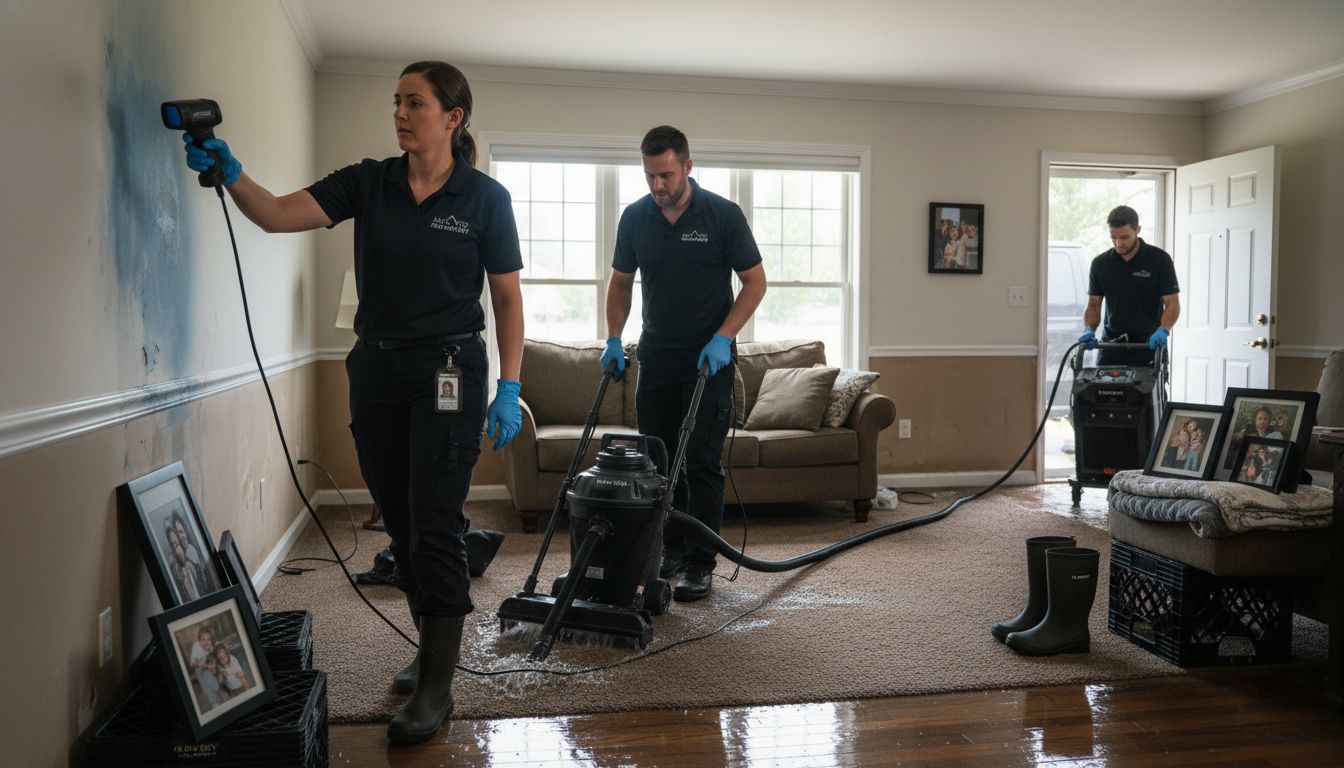
Did you know that just one inch of floodwater can cause over $20,000 in property damage? Floods are among the most costly and destructive disasters many homeowners face. Swift, thorough restoration is the difference between temporary inconvenience and lasting problems like structural decay, dangerous mold, and unwanted health risks. Understanding what professional flood restoration involves helps you protect your property, your wallet, and your peace of mind when water threatens your home.
Table of Contents
- Defining Flood Restoration And Its Importance
- Types Of Flood Damage In Properties
- Flood Restoration Process And Methods
- Regulatory Standards And Safety Practices
- Costs, Insurance, And Professional Services
Key Takeaways
| Point | Details |
|---|---|
| Importance of Flood Restoration | Timely professional intervention is crucial to mitigate risks such as structural damage, mold growth, and health hazards associated with water damage. |
| Types of Flood Damage | Flood damage varies based on the source, with potential risks including structural degradation and health hazards if not properly addressed. |
| Restoration Process | A systematic approach including emergency water extraction, drying, assessment, cleaning, and repairs is essential for effective flood restoration. |
| Insurance and Costs | Homeowners should be aware that standard insurance policies may not cover flood damage, making financial planning and professional help vital to minimize losses. |
Defining Flood Restoration And Its Importance
Flood restoration is a comprehensive process of cleaning, repairing, and rehabilitating properties after water damage from rising waters. According to FEMA, flooding specifically refers to water rising and covering normally dry land – such as a river overflowing into streets and yards.
The importance of professional flood restoration cannot be overstated. When water infiltrates your property, it creates multiple potential hazards beyond visible damage. Water damage can quickly lead to structural deterioration, mold growth, electrical system compromises, and potential health risks for occupants. Prompt, professional intervention is critical to mitigate these risks and prevent long-term property damage.
Effective flood restoration involves several key steps:
- Immediate water extraction
- Comprehensive property drying
When considering flood restoration, homeowners should understand that not all water damage is covered by standard insurance policies. Our guide on restoration misconceptions can help you navigate these complex scenarios.
Professional restoration teams use specialized equipment and techniques to thoroughly assess, clean, and restore water-damaged properties. Their goal is not just surface-level cleaning, but complete structural and environmental recovery that protects your property’s integrity and your family’s health.
Types Of Flood Damage In Properties
Flood damage can manifest in multiple complex ways, depending on the source and intensity of water intrusion. According to the National Severe Storms Laboratory, river flooding occurs when water levels rise over river banks due to excessive rainfall, persistent thunderstorms, combined rainfall and snowmelt, or ice jams.
According to FloodSmart, flood damage can originate from various environmental and infrastructure sources, including:
- River, lake, or coastal water overflows
- Heavy or extensive rainfall
- Melting snow and ice
- Land changes like new construction
- Water infrastructure failures like broken water mains
Our guide on basement flooding highlights that basements are particularly vulnerable to water intrusion. Different flood types can cause unique damage patterns, ranging from structural degradation to electrical system compromise.
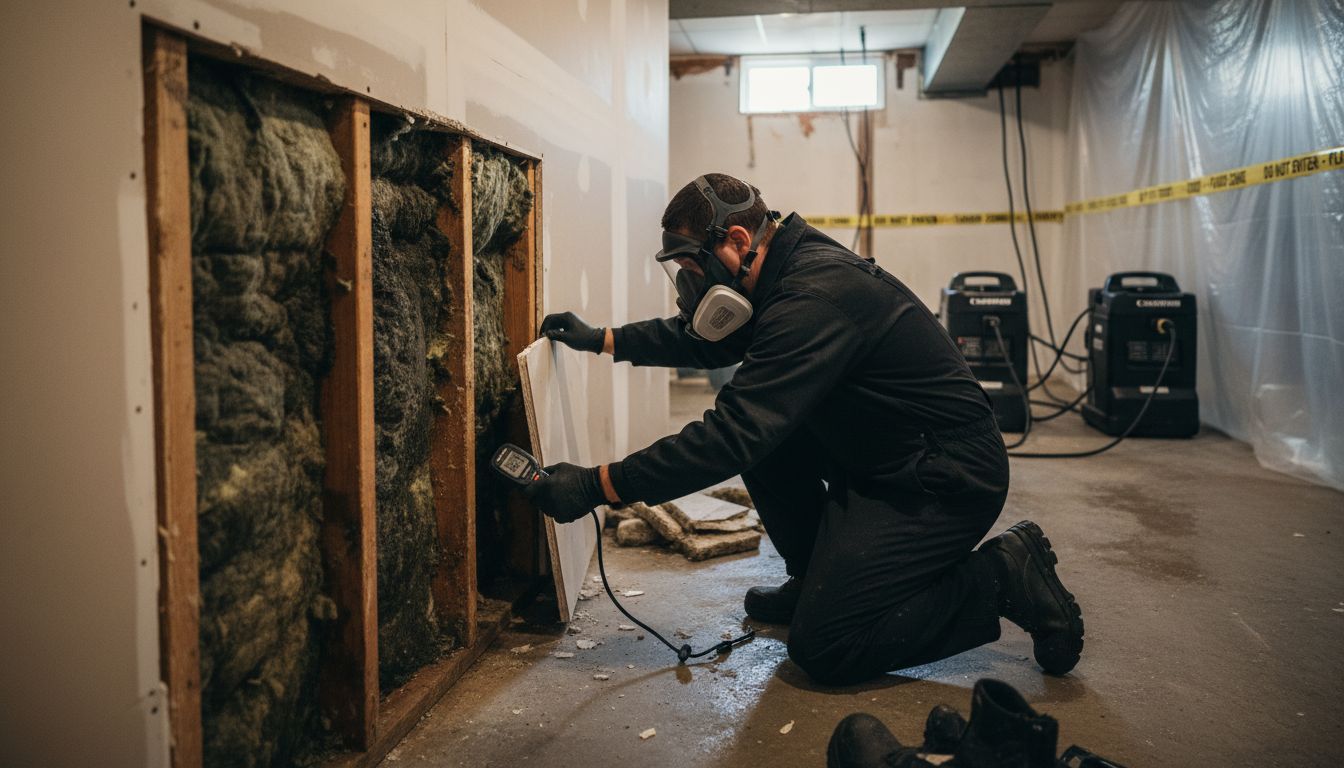
Here’s a comparison of the main types of flood damage in properties:
| Flood Type | Common Causes | Typical Damage Patterns |
|---|---|---|
| River Overflow | Heavy rainfall Ice jams Snowmelt | Foundation erosion Widespread water soakage |
| Infrastructure Failure | Broken water mains Sump pump failure | Localized flooding Wall and floor damage |
| Surface Water Runoff | Heavy rainfall Poor drainage | Basement leaks Ground saturation |
| Coastal Flooding | Storm surge High tides | Saltwater intrusion Corrosion risk |
Understanding these variations is crucial for homeowners. Some flood damage might appear minor initially but can lead to significant long-term issues like mold growth, foundation weakening, and potential health hazards if not addressed promptly and professionally.
Flood Restoration Process And Methods
Flood restoration is a meticulous process that requires systematic approach and professional expertise. According to the EPA, moisture control is the critical first step in preventing secondary damage like mold growth.
The comprehensive flood restoration process typically involves several key stages:
- Emergency water extraction
- Thorough property drying
- Structural and content assessment
- Cleaning and sanitization
- Repair and reconstruction
Water damage experts recommend critical actions in the first 24 hours, which can significantly impact long-term recovery. The EPA specifically advises removing standing water immediately and discarding materials that have been wet for more than 24-48 hours to prevent mold and structural deterioration.
Professional restoration teams use advanced technologies like industrial-grade dehumidifiers, moisture meters, and thermal imaging cameras to ensure complete water removal and identify hidden moisture pockets. This comprehensive approach helps prevent long-term structural damage, potential health risks, and ensures your property returns to its pre-flood condition as quickly and safely as possible.
Regulatory Standards And Safety Practices
Flood restoration involves complex regulatory frameworks designed to protect property owners and ensure safe, effective recovery. According to FEMA, the National Flood Insurance Program (NFIP) provides general mapping and regulatory standards, though these guidelines do not comprehensively address every potential flood scenario in the United States.
Key safety practices and regulatory considerations for flood restoration include:
- Compliance with local building codes
- Proper hazardous material handling
- Adherence to environmental protection guidelines
- Professional certification requirements
- Documentation and insurance claim protocols
Our guide on restoration misconceptions can help property owners understand the critical nuances of regulatory compliance. The EPA’s Flood Resilience Guide emphasizes the importance of protecting critical infrastructure and assets during flood recovery.
Professional restoration teams must navigate these complex regulatory landscapes while prioritizing safety, environmental protection, and property recovery. This involves understanding specific local regulations, maintaining proper certifications, and following stringent safety protocols to ensure comprehensive and legally compliant restoration services.
Costs, Insurance, And Professional Services
Flood damage can be financially devastating, with even minimal water intrusion potentially causing extensive expenses. According to the National Flood Insurance Program, flood damage from just one inch of water can cost over $20,000, and surprisingly, over 20% of flood claims originate from properties outside high-risk flood zones.
Key financial considerations for flood restoration include:
- Comprehensive damage assessment
- Professional restoration costs
- Potential property value reduction
- Insurance claim complexities
- Long-term repair and mitigation expenses
Our guide on water damage timelines helps property owners understand the financial implications of prompt action. As FloodSmart emphasizes, most homeowners insurance policies do not cover flooding, and federal disaster assistance is not guaranteed, occurring only with a presidential disaster declaration.
Professional restoration services provide critical expertise in navigating these complex financial landscapes.
They offer detailed documentation, insurance claim support, and comprehensive restoration strategies that can potentially minimize long-term financial losses and protect your property’s value and structural integrity.
Protect Your Home with Expert Flood Restoration When Every Minute Counts
Flood damage can lead to overwhelming challenges like structural issues, mold growth, and serious health risks as outlined in the detailed flood restoration process. If you are facing water extraction, thorough drying, or complex repairs after a flood, acting quickly can prevent long-term damage and costly repairs. At PuroClean of Northeast Sacramento, we understand how critical the first 24 hours are to your property’s recovery.
Trust our 24/7 emergency response team to provide professional flood restoration with advanced technologies and certified expertise. Visit PuroClean of Northeast Sacramento now to learn how we can restore your property safely and efficiently. Don’t wait until water damage worsens. Contact us immediately for a thorough assessment and the fastest path back to normalcy.
Frequently Asked Questions
What is flood restoration?
Flood restoration is a comprehensive process involving the cleaning, repairing, and rehabilitation of properties after water damage caused by flooding. It aims to mitigate hazards such as mold growth, structural deterioration, and health risks.
What are the key steps in the flood restoration process?
The flood restoration process typically includes emergency water extraction, thorough property drying, structural and content assessment, cleaning and sanitization, and repair and reconstruction of affected areas.
How can I prevent mold growth after flooding?
To prevent mold growth, it’s critical to remove standing water immediately, thoroughly dry the property, and discard materials that have been wet for over 24-48 hours. Professional restoration teams often use advanced equipment to ensure complete moisture removal.
What should I know about insurance coverage for flood damage?
Not all water damage is covered by standard homeowners insurance policies. It’s important to review your policy and understand the nuances of coverage regarding flood damage, as many policies do not include flooding. Consulting with a professional restoration team can also help navigate insurance claims.
Recommended
Historic New York City Flooding and Electrocution Risks
Call A Professional – PuroClean of Alexandria
What to Do After the Storm – PuroClean of Alexandria
Water Damage Timeline Alexandria: Restoration Process Guide
Tips to Salvage Your Furniture After a Flood – PuroClean of Alexandria