 PuroClean of Northeast Sacramento
 Mold Remediation Explained: Complete Property Guide
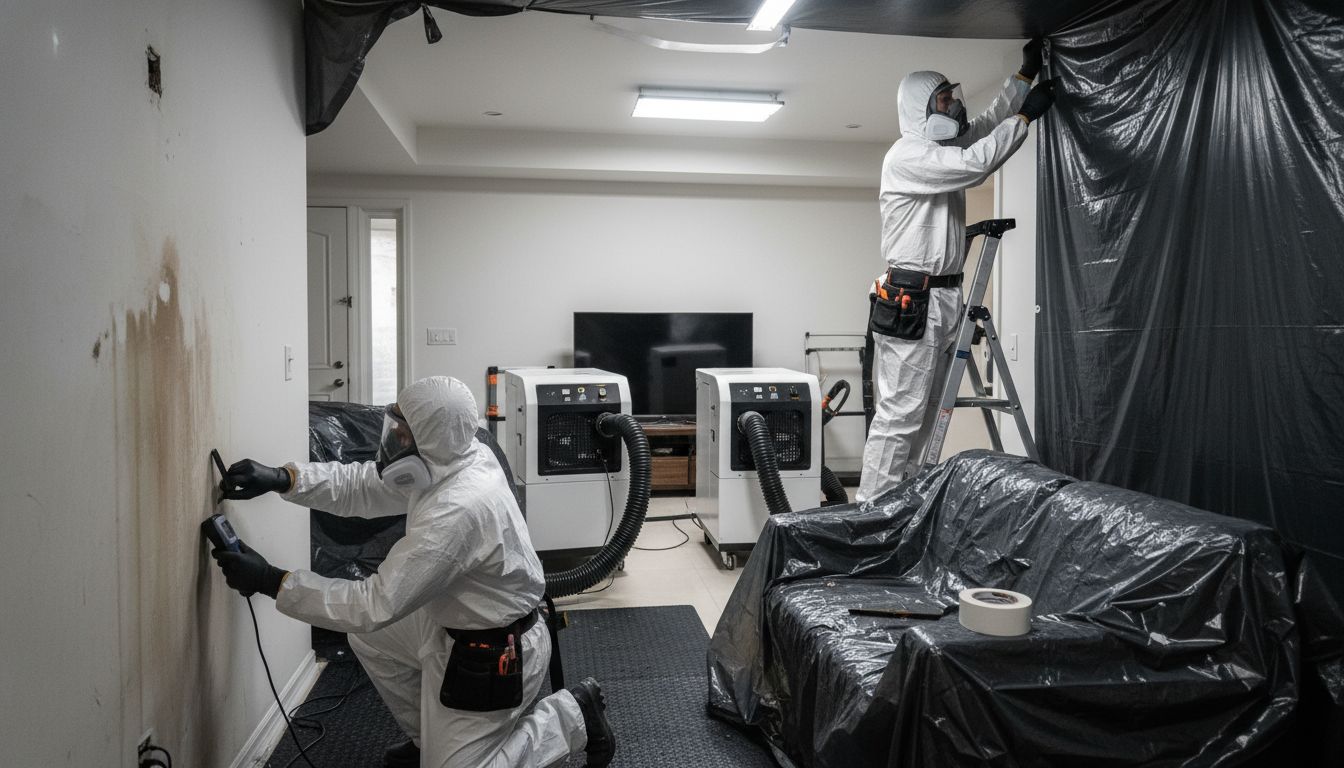
Did you know that the CDC reports over 50% of homes in the United States have some form of mold? Even a small patch can trigger health problems and costly property damage, yet many people underestimate the risks. Myths about mold removal often lead to unsafe DIY attempts or inaction. Understanding the true impact of mold, along with proven remediation steps, can save your health, your home, and your wallet.
Table of Contents
- Defining Mold Remediation And Common Myths
- Types Of Mold And Mold Infestation Levels
- The Mold Remediation Process Step By Step
- Safety Standards And Legal Requirements
- Risks, Costs, And Insurance Considerations
Key Takeaways
| Point | Details |
|---|---|
| Mold Remediation Process | Involves a strategic, multi-step approach to identify, contain, and eliminate mold, ensuring safety and prevention of future growth. |
| Mold Infestation Levels | Classified into three levels, each requiring different remediation strategies ranging from DIY solutions to full professional interventions. |
| Health Risks and Financial Implications | Prolonged mold exposure can lead to serious health issues and significant financial costs, necessitating timely professional assessment and remediation. |
| Regulatory and Safety Standards | Compliance with safety protocols and legal requirements is crucial in mold management to protect health and mitigate liability risks. |
Defining Mold Remediation and Common Myths
Mold remediation is a comprehensive process designed to identify, contain, and safely remove mold growth from indoor environments. Unlike simple surface cleaning, remediation involves strategic steps to eliminate existing mold and prevent future contamination. According to the CDC, proper cleanup methods are critical to protecting human health and mitigating potential risks associated with mold exposure.
Common myths about mold often lead property owners to misunderstand the severity and complexity of mold problems. As research from the CDC indicates, many people mistakenly believe that all mold is harmless or can be easily removed with household cleaners. In reality, mold can pose significant health risks and requires professional assessment and treatment. Leo Old’s presentation highlights several misconceptions, including the misleading term “black mold,” which often creates unnecessary panic.
Effective mold remediation involves several key steps:
- Professional moisture assessment
- Identifying and addressing water sources
- Containment of affected areas
- Specialized cleaning and sanitization
- Preventative treatment to inhibit future growth
To better understand the nuances of mold management, check out our guide on the difference between mold removal and mold remediation. This comprehensive resource will help you distinguish between surface-level cleaning and thorough, professional mold treatment.
Types of Mold and Mold Infestation Levels
Understanding the diverse world of mold requires recognizing different types and their potential risks. According to the EPA’s comprehensive guide, molds are classified based on their structural characteristics, growth patterns, and potential health impacts. Not all molds are created equal, and some pose significantly more serious threats than others.
Mold infestation levels are typically categorized into three primary stages:
Here’s a summary of mold infestation levels and recommended actions:
| Infestation Level | Affected Area Size | Typical Materials Affected | Recommended Response |
|---|---|---|---|
| Level 1 (Small) | Less than 10 sq ft | Drywall Windows Ceiling tiles | DIY cleaning Monitor moisture |
| Level 2 (Medium) | 10-100 sq ft | Wood framing Carpet Insulation | Professional assessment Containment recommended |
| Level 3 (Large) | Over 100 sq ft | HVAC Wall cavities Flooring | Full professional remediation Specialized containment |
- Level 1 (Small Area): Less than 10 square feet of mold growth
- Level 2 (Medium Area): 10-100 square feet of affected surface
- Level 3 (Large Area): Over 100 square feet of contamination
Each infestation level demands a unique approach to remediation.
Learn more about the nuanced differences between mold types in our detailed guide, which breaks down the characteristics of various mold species. According to the EPA’s research, the most common indoor mold types include Aspergillus, Penicillium, and Stachybotrys (often referred to as “black mold”). These varieties can grow on multiple surfaces like drywall, wood, carpet, and insulation, with humidity and moisture being primary catalysts for their spread.
Professional assessment becomes critical when determining the appropriate remediation strategy.
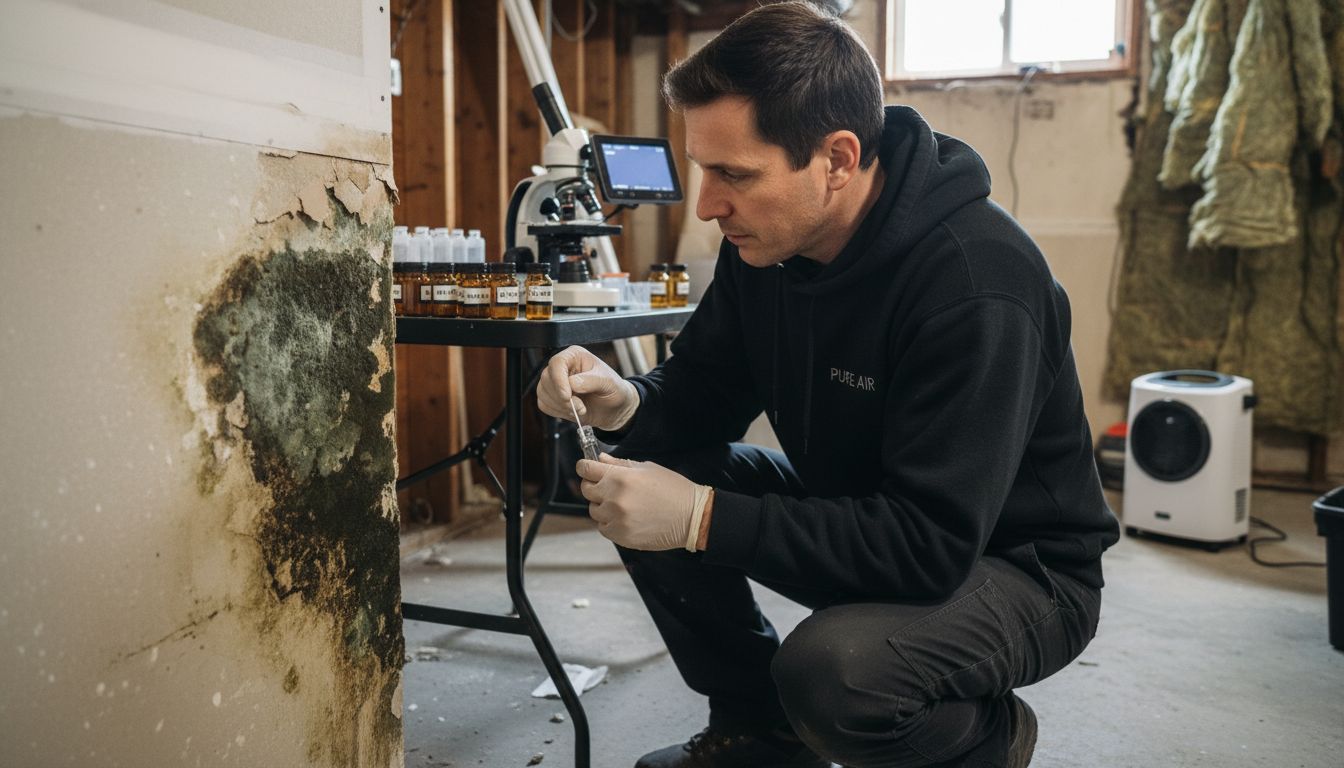 While small infestations might seem manageable, underlying moisture issues and potential health risks require expert evaluation. The complexity increases with larger contamination areas, where specialized containment and removal techniques become essential for effective treatment.
The Mold Remediation Process Step by Step
Mold remediation is a systematic process that requires careful planning and execution. According to the EPA’s comprehensive guide, successful mold removal involves several critical stages designed to eliminate contamination and prevent future growth. The process goes beyond simple cleaning, demanding a strategic approach to protect both property and health.
The typical mold remediation process follows these key steps:
- Initial Assessment and Moisture Inspection
- Containment of Affected Areas
- Removal of Contaminated Materials
- Cleaning and Sanitization
- Drying and Dehumidification
- Restoration and Prevention
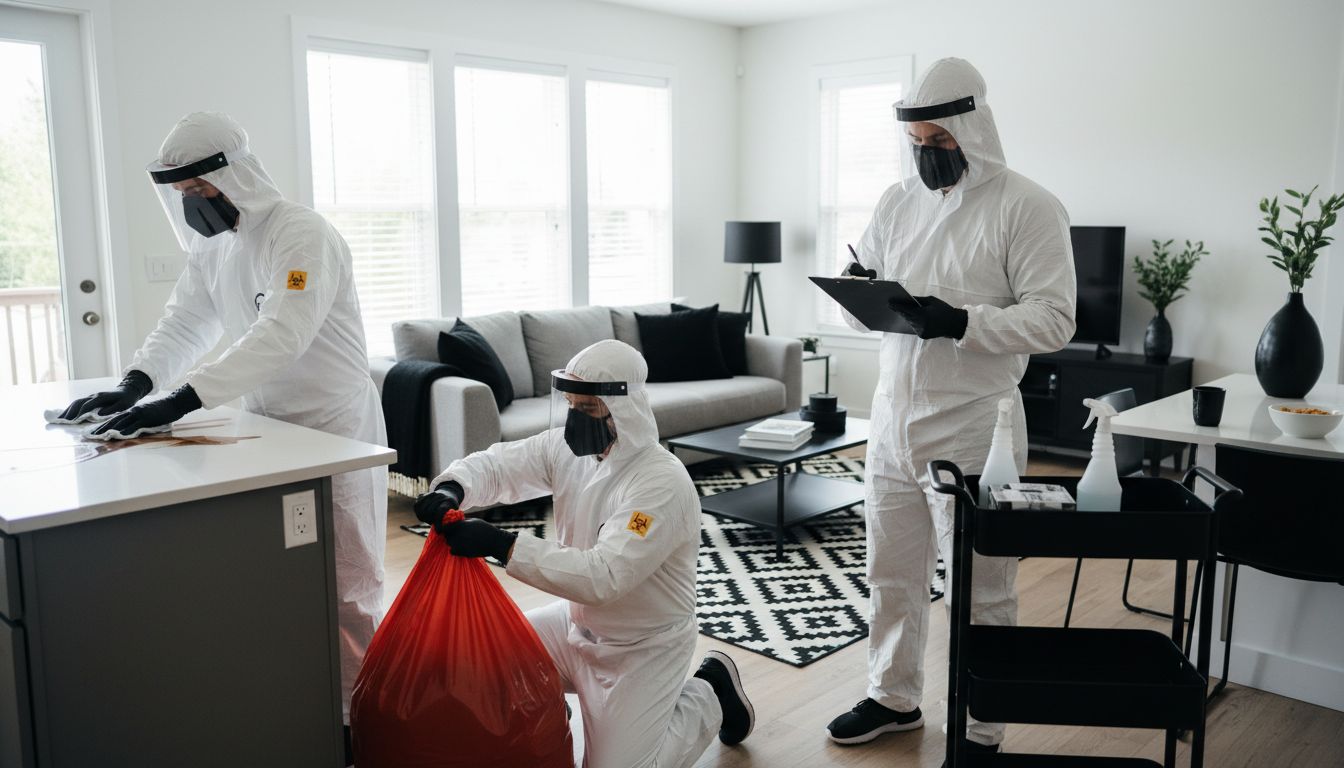
Professional remediation teams utilize specialized equipment and protective gear to safely address mold contamination. Our comprehensive homeowner’s guide offers in-depth insights into mold removal strategies, helping you understand the complexities of the process. As the CDC emphasizes, proper protective equipment is crucial during cleanup, including respirators, gloves, and protective eyewear to minimize exposure to potentially harmful mold spores.
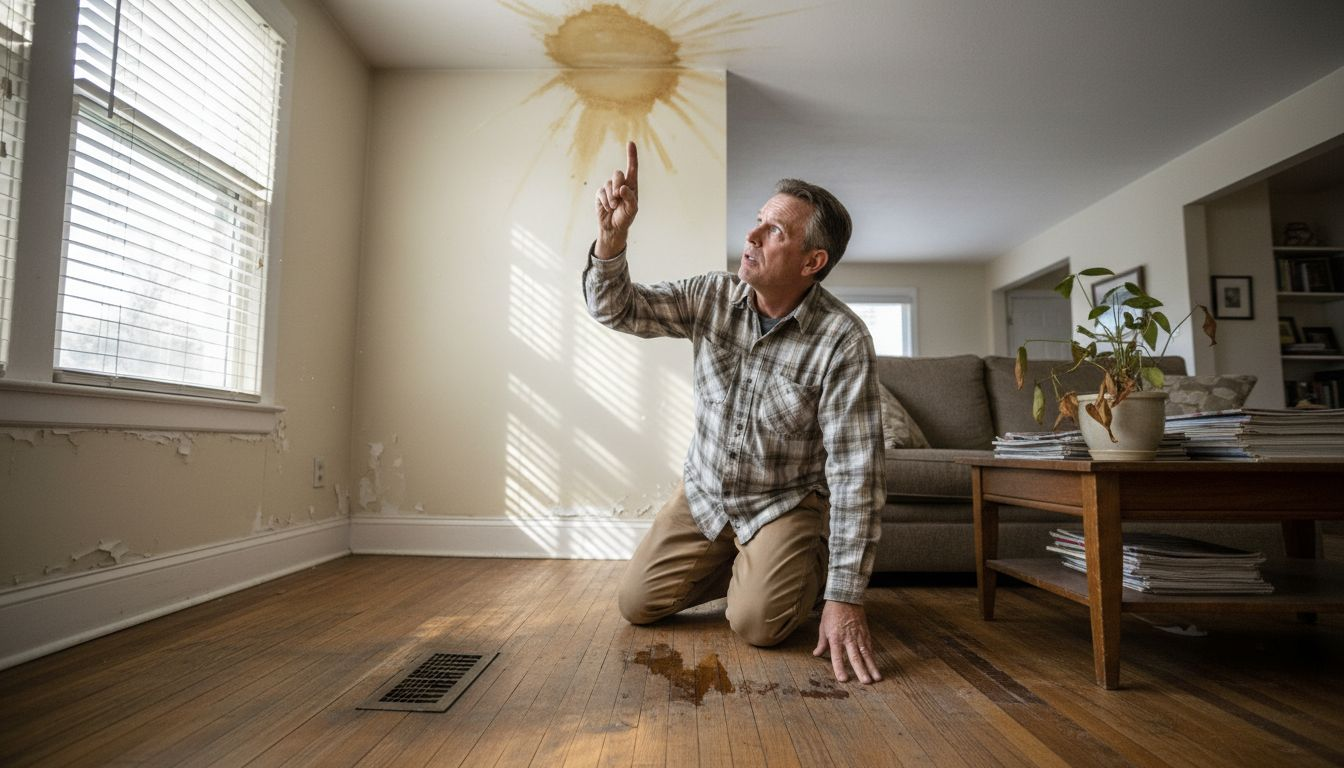
The most critical aspect of mold remediation is addressing underlying moisture issues. Without resolving the source of humidity or water intrusion, mold will inevitably return. Professionals conduct thorough moisture assessments, identifying and eliminating potential growth conditions to ensure long-term protection for your property.
Safety Standards and Legal Requirements
Mold remediation involves complex safety standards and legal considerations that property owners must carefully navigate. According to the EPA’s comprehensive guide, these regulations are designed to protect both human health and property integrity. The legal landscape surrounding mold management is intricate, with specific protocols governing everything from initial assessment to final cleanup.
Key safety standards for mold remediation include:
- Proper personal protective equipment (PPE)
- Containment procedures to prevent cross-contamination
- Specific disposal methods for contaminated materials
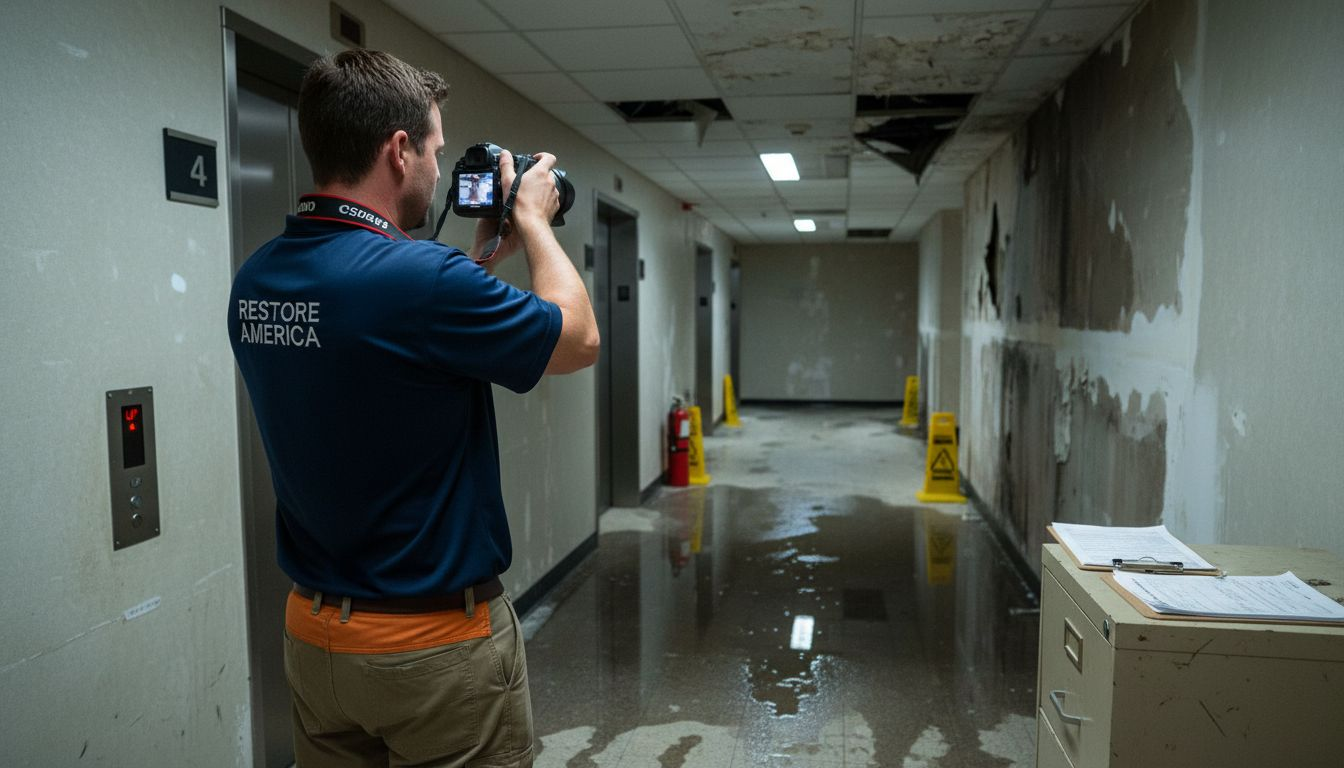
- Documentation of remediation processes
- Adherence to occupational safety guidelines
Legal requirements can vary significantly depending on the property type and extent of contamination. Explore our detailed guide on mold cleaning protocols to understand the nuanced approach required for different scenarios. As Leo Old’s presentation highlights, property owners and managers must be aware of potential liability issues associated with improper mold management. This includes understanding disclosure requirements, maintaining appropriate documentation, and ensuring comprehensive remediation that meets industry standards.
Professional mold remediation becomes crucial when considering legal and health implications. Certified professionals are trained to follow strict guidelines, ensuring that all safety protocols are met and potential legal risks are minimized. The complexity of mold-related regulations underscores the importance of expert intervention, particularly in commercial properties or situations involving extensive contamination.
Risks, Costs, and Insurance Considerations
Mold remediation presents complex financial risks that extend far beyond simple cleanup expenses. According to the EPA’s comprehensive guide, the potential health and structural damages can transform a seemingly minor issue into a significant financial burden. The true cost of mold goes well beyond surface-level treatment, potentially impacting property value, occupant health, and long-term maintenance expenses.
Typical cost considerations for mold remediation include:
- Initial inspection and assessment fees
- Extent of contamination
- Structural repairs
- Professional remediation services
- Preventative moisture control measures
- Potential health-related expenses
Explore our comprehensive guide on basement mold removal guidelines to understand the nuanced financial implications of different mold scenarios. As research from Noble Public Adjusting Group highlights, insurance coverage for mold damage is notoriously complicated. Most standard homeowners insurance policies provide limited coverage, typically only addressing mold as a secondary result of a covered water damage event. Proactive moisture management and early detection become crucial strategies for minimizing potential financial risks.
Health risks represent another critical consideration in mold remediation. Prolonged exposure can lead to respiratory issues, allergic reactions, and potentially serious long-term health complications. Professional assessment becomes essential not just for property preservation, but for protecting the health of occupants. The potential medical costs associated with mold-related health issues can far exceed the expense of comprehensive professional remediation.
Act Now to Protect Your Property from Mold Risks
Mold growth is not just an eyesore it poses serious health risks and can lead to costly property damage if left untreated. This article explains the complexity of mold remediation from identifying infestation levels to understanding legal safety standards. If you are facing mold concerns or want to prevent future outbreaks now is the time to take decisive action before moisture issues worsen or health impacts arise.
Trust the experts at PuroClean of Northeast Sacramento to provide swift, professional mold remediation and restoration services backed by industry certifications and advanced technology. Whether your situation calls for a comprehensive moisture assessment or full containment and cleanup, we offer 24/7 emergency response to keep your home or business safe. Learn more about our complete property damage solutions and get the help you need today. Visit us at https://puroclean.com/northeast-sacramento-ca and take the first step towards a healthier, mold-free environment.
Frequently Asked Questions
What is mold remediation and how does it differ from mold removal?
Mold remediation is a comprehensive process that involves identifying, containing, and safely removing mold from indoor environments. It goes beyond simple cleaning by incorporating preventive measures to avoid future mold growth, whereas mold removal typically refers to just cleaning visible mold.
What are the different levels of mold infestation, and how should they be handled?
Mold infestations are categorized into three levels: Level 1 (Small: less than 10 sq ft) can often be addressed through DIY cleaning. Level 2 (Medium: 10-100 sq ft) usually requires professional assessment and containment. Level 3 (Large: over 100 sq ft) necessitates full professional remediation due to the complexity and potential health risks involved.
What steps are involved in the mold remediation process?
The typical mold remediation process includes: Initial assessment and moisture inspection, containment of affected areas, removal of contaminated materials, cleaning and sanitization, drying and dehumidification, and finally restoration and prevention strategies to ensure long-term protection against mold growth.
What safety standards and legal requirements must be followed during mold remediation?
Key safety standards involve the use of proper personal protective equipment (PPE), containment procedures to prevent cross-contamination, specific disposal methods for contaminated materials, thorough documentation of the remediation process, and adherence to occupational safety guidelines to protect both human health and property integrity.
Recommended
Carpet Cleaning: Complete Guide for U.S. Homes & Businesses – Professional Cleaning
Difference Between Mold Removal VS Mold Remediation
Mold Removal and Remediation in Albuquerque, NM
Mold Removal and Remediation in Abilene, TX
Mold Removal Alexandria VA: A Homeowner’s Complete Guide
Entendiendo el moho: ¿Qué es y por qué importa? – Solo Humedad
 PuroClean of Northeast Sacramento