


What Is Sewage Cleanup? Complete Guide for 2025
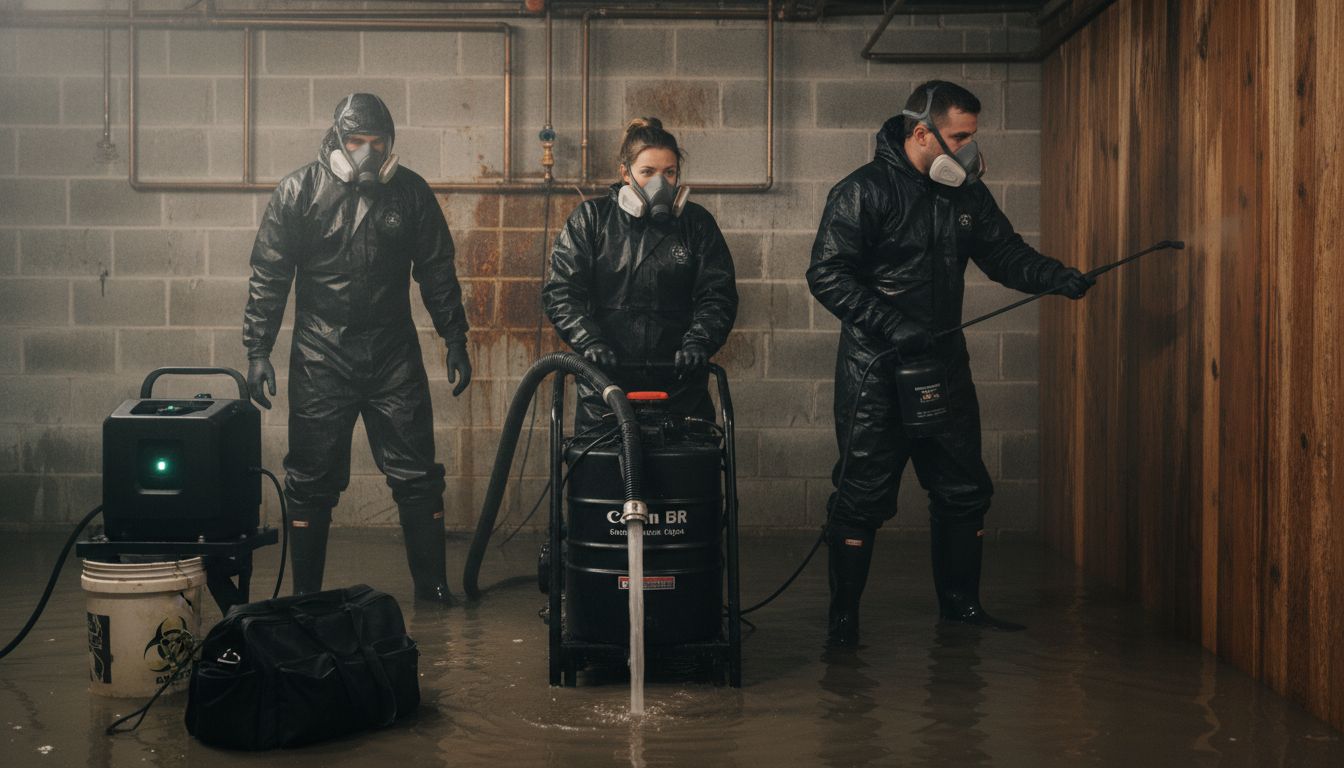
Did you know that untreated sewage can expose your home to over 120 types of dangerous pathogens? Many people underestimate how serious sewage cleanup really is. Misinformation leads to risky DIY mistakes that may harm your health and property. Understanding what truly goes into safe sewage cleanup can help you avoid health hazards, costly repairs, and long term damage while protecting everyone under your roof.
Table of Contents
- Defining Sewage Cleanup And Common Myths
- Types Of Sewage Contamination Explained
- Step-By-Step Sewage Cleanup Process
- Health Risks And Legal Safety Standards
- Costs, Insurance, And Professional Services
Key Takeaways
| Point | Details |
|---|---|
| Importance of Professional Cleanup | Sewage cleanup involves health risks and complex processes that necessitate professional intervention to ensure safety and prevent contamination spread. |
| Health Hazards | Contaminated sewage can introduce dangerous pathogens, leading to gastrointestinal illnesses, skin irritation, and other serious health issues. |
| Comprehensive Process | Effective sewage cleanup is a systematic approach that includes assessment, safe removal, deep cleaning, and structural restoration to mitigate long-term damage. |
| Financial Considerations | Sewage cleanup can be costly, but professional services help navigate insurance claims and minimize future health and property risks, making them a worthwhile investment. |
Defining Sewage Cleanup and Common Myths
Sewage cleanup is a critical emergency restoration process that involves safely removing contaminated wastewater and restoring impacted areas to prevent serious health risks. Unlike routine water damage, sewage contains dangerous microorganisms that can cause significant health problems if not addressed professionally.
According to the Massachusetts Department of Public Health, untreated sewage backup poses substantial microbial contamination risks. These hazardous materials can introduce dangerous pathogens including:
- Bacteria causing cholera and typhoid
- Viruses leading to hepatitis
- Protozoa triggering gastrointestinal illnesses
Common myths about sewage cleanup often lead homeowners to make dangerous mistakes. Many believe they can handle sewage restoration themselves, but professional intervention is crucial. DIY sewage cleanup can expose individuals to serious health threats and potentially spread contamination throughout a property. Proper cleanup requires specialized protective equipment, industrial-grade sanitization tools, and comprehensive contamination protocols.
Most importantly, sewage cleanup is not just about visible water removal. It involves comprehensive decontamination, moisture detection, potential structural repairs, and ensuring no residual microbial threats remain.
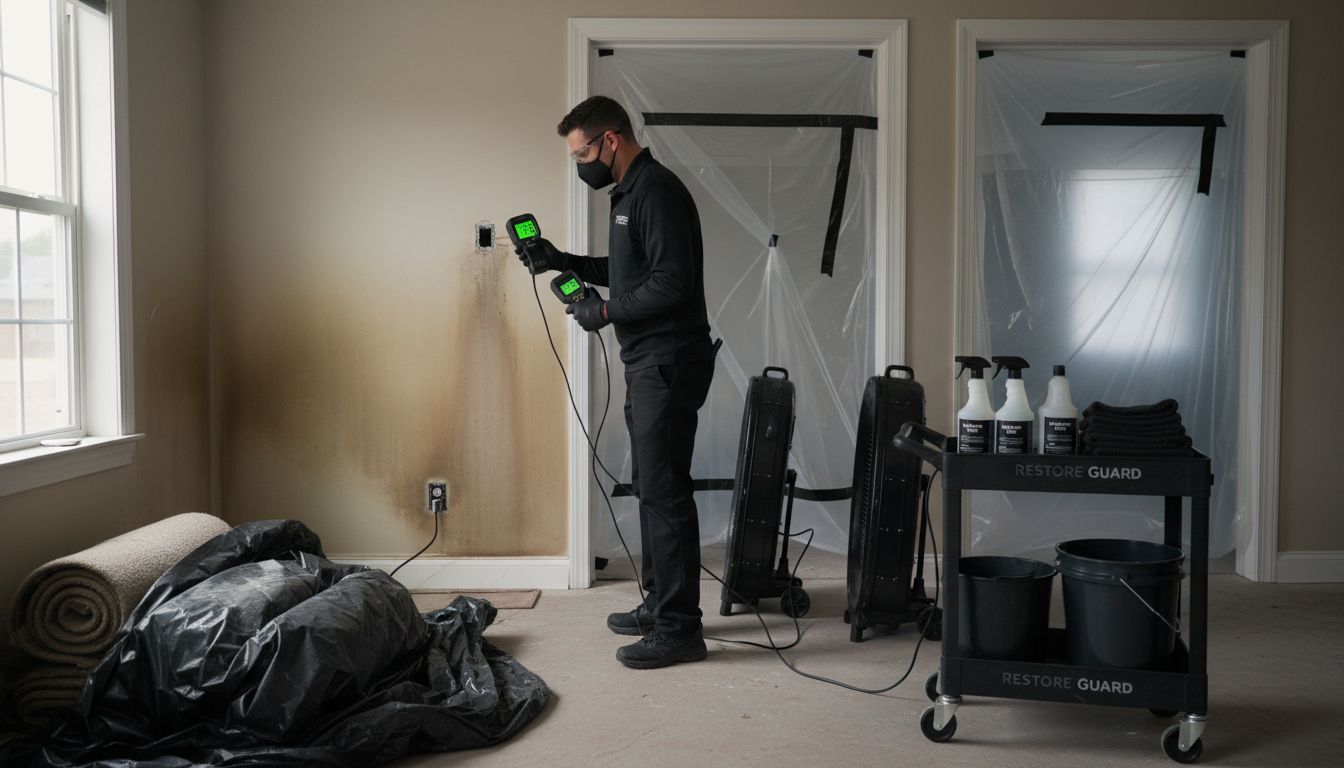 Professional restoration teams understand these complexities and can effectively mitigate long-term property damage and health risks associated with sewage incidents.
Types of Sewage Contamination Explained
Sewage contamination represents a complex environmental and health threat that manifests through multiple pathways and pollutant types. Understanding these contamination sources is crucial for effective prevention and remediation strategies. Causes of sewage backups in homes can range from infrastructural failures to natural disasters.
According to the United Nations Environment Programme, sewage contamination encompasses several critical pollutant categories:
- Pathogens: Bacteria, viruses, and protozoa
- Nutrients: Nitrogen and phosphorus compounds
- Heavy Metals: Mercury, lead, and other toxic metals
- Chemical Contaminants: Pesticides, PCBs, and industrial chemicals
The Environmental Protection Agency identifies multiple contamination sources, including raw sewage overflow, malfunctioning septic tanks, leaking sewer lines, and improper land application of sludge. Each source presents unique risks and requires specialized remediation approaches. For instance, septic tank failures can introduce concentrated waste directly into groundwater systems, creating long-term environmental and health challenges.
Professional restoration teams recognize that sewage contamination is never uniform. Different pollutant mixtures demand tailored cleanup protocols, advanced diagnostic techniques, and comprehensive safety measures. The complexity of these contaminants underscores why DIY approaches are dangerous and why professional intervention is absolutely critical for protecting human health and environmental integrity.
Here’s a summary of the main sewage contamination types and their associated risks:
| Contaminant Type | Examples | Main Risks/Effects |
|---|---|---|
| Pathogens | Bacteria Viruses Protozoa | Illness Infection |
| Nutrients | Nitrogen Phosphorus compounds | Algae blooms Water quality |
| Heavy Metals | Mercury Lead Toxic metals | Toxicity Bioaccumulation |
| Chemical Contaminants | Pesticides PCBs Industrial chemicals | Poisoning Environmental harm |
Step-by-Step Sewage Cleanup Process
Sewage cleanup requires a systematic and methodical approach to protect both human health and property integrity. Handling sewage backup in a basement demands professional expertise and precise execution.
According to the Environmental Protection Agency, effective sewage cleanup involves several critical steps:
- Initial Assessment: Identify contamination sources and extent of damage
- Safety Preparation: Establish containment zones and wear protective equipment
- Water Removal: Extract standing sewage using industrial-grade pumps
- Contaminated Material Removal: Discard porous materials that cannot be safely cleaned
- Deep Cleaning: Sanitize and disinfect all affected surfaces
- Drying and Dehumidification: Eliminate moisture to prevent secondary damage
- Reconstruction and Restoration: Repair or replace damaged structural elements
Professional restoration teams understand that each contamination scenario requires unique treatment protocols. The complexity of sewage cleanup goes beyond simple water removal – it involves comprehensive risk management, advanced diagnostic techniques, and thorough decontamination processes.
The potential health and structural risks make professional intervention not just recommended, but absolutely essential. Attempting DIY sewage cleanup can expose individuals to dangerous pathogens, spread contamination, and potentially cause long-term property damage. Trained specialists use specialized equipment, follow strict safety protocols, and ensure complete restoration of affected environments.
Health Risks and Legal Safety Standards
Sewage contamination presents a significant public health challenge with complex legal and medical implications. Sewage backup in a basement isn’t just a property damage issue – it’s a serious health hazard that demands immediate professional intervention.
According to the Massachusetts Department of Public Health, water contaminated with fecal bacteria can lead to multiple health risks:
- Gastrointestinal Illnesses: Severe digestive system infections
- Skin Irritation: Potential dermatological reactions
- Eye Infections: Inflammation and potential long-term damage
- Wound Contamination: Risk of serious infections for open injuries
Microbial contamination introduces a range of dangerous pathogens, including bacteria, viruses, and protozoa that can rapidly spread disease. Legal safety standards have been established to monitor and control these contaminants, ensuring public health protection through strict regulatory frameworks.
Professional restoration teams are not just cleanup experts – they’re trained to navigate complex health and legal standards. They understand the nuanced requirements for safe contamination removal, including proper protective equipment, specialized sanitization techniques, and comprehensive documentation to meet local health and safety regulations. Their expertise ensures not just physical cleanup, but comprehensive protection against potential health risks and legal liabilities associated with sewage contamination.
Costs, Insurance, and Professional Services
Sewage cleanup involves complex financial considerations that extend far beyond simple restoration expenses. Essential water cleanup checklist helps property owners understand the comprehensive nature of these restoration investments.
According to the United Nations Environment Programme, sewage contamination management requires significant financial investment across multiple dimensions:
- Initial Assessment Costs: Diagnostic evaluations and contamination extent mapping
- Remediation Expenses: Professional cleaning, sanitization, and restoration services
- Preventative Infrastructure: Long-term protective measures and potential system upgrades
- Compliance and Documentation: Regulatory reporting and safety standard adherence
Insurance coverage for sewage damage varies widely, with policies often differentiating between sudden accidents and gradual deterioration. Many homeowners’ insurance plans provide partial coverage for unexpected sewage backups, but the specifics depend on individual policy terms. Professional restoration services play a crucial role in navigating these complex insurance claims, providing detailed documentation and expert assessments that maximize potential reimbursement.
The true value of professional sewage cleanup services extends beyond immediate restoration. These experts mitigate potential long-term health risks, prevent structural damage, ensure comprehensive sanitization, and provide critical support through insurance claim processes. While initial costs might seem significant, professional intervention can ultimately save property owners substantial money by preventing more extensive damage and potential health-related expenses.
Trusted Sewage Cleanup Experts Ready to Protect Your Home and Health
Dealing with sewage contamination can be overwhelming and dangerous. From harmful pathogens to hidden structural damage, the risks are greater than many realize. If you need professional help for sewage cleanup, trust the team that understands the critical importance of thorough sanitation, swift water extraction, and safe restoration. At PuroClean of Northeast Sacramento, we specialize in fast emergency response and complete property remediation, ensuring your home or business is safe and restored with care.
When facing the unexpected, do not delay action. Visit our website now to learn about our comprehensive water damage restoration solutions. Our certified experts use advanced equipment and proven protocols that go beyond simple cleanup to protect your health and property from lasting harm. Contact us 24/7 for immediate support and start restoring your environment with confidence today.
Frequently Asked Questions
What is sewage cleanup?
Sewage cleanup is the emergency restoration process that involves safely removing contaminated wastewater from a property and restoring the affected areas to prevent health risks and further damage.
What are the health risks associated with sewage contamination?
Sewage contamination can introduce dangerous pathogens, leading to gastrointestinal illnesses, skin irritation, eye infections, and wound contamination, posing serious health hazards to affected individuals.
Why should I hire professionals for sewage cleanup instead of doing it myself?
Hiring professionals ensures safe and thorough sewage cleanup using specialized protective equipment and industrial-grade sanitization tools, significantly reducing the risk of health exposure and contamination spread compared to DIY methods.
What steps are involved in the sewage cleanup process?
The sewage cleanup process typically includes initial assessment, safety preparation, water removal, contaminated material removal, deep cleaning, drying and dehumidification, and finally reconstruction and restoration of the affected areas.
Recommended
Sewage and Sewer Backup in Basement: Causes and How To Handle Them
How to Handle Sewage Backup in a Basement – PuroClean of Alexandria
What Causes Sewage Backups in Homes? – PuroClean of Alexandria
Providing Water Damage Restoration in Arlington VA after Sewage Backup
Industrial Cleaning Definition: Complete Guide for 2025 – Professional Cleaning