


Why Remove Mold Professionally: Complete Guide
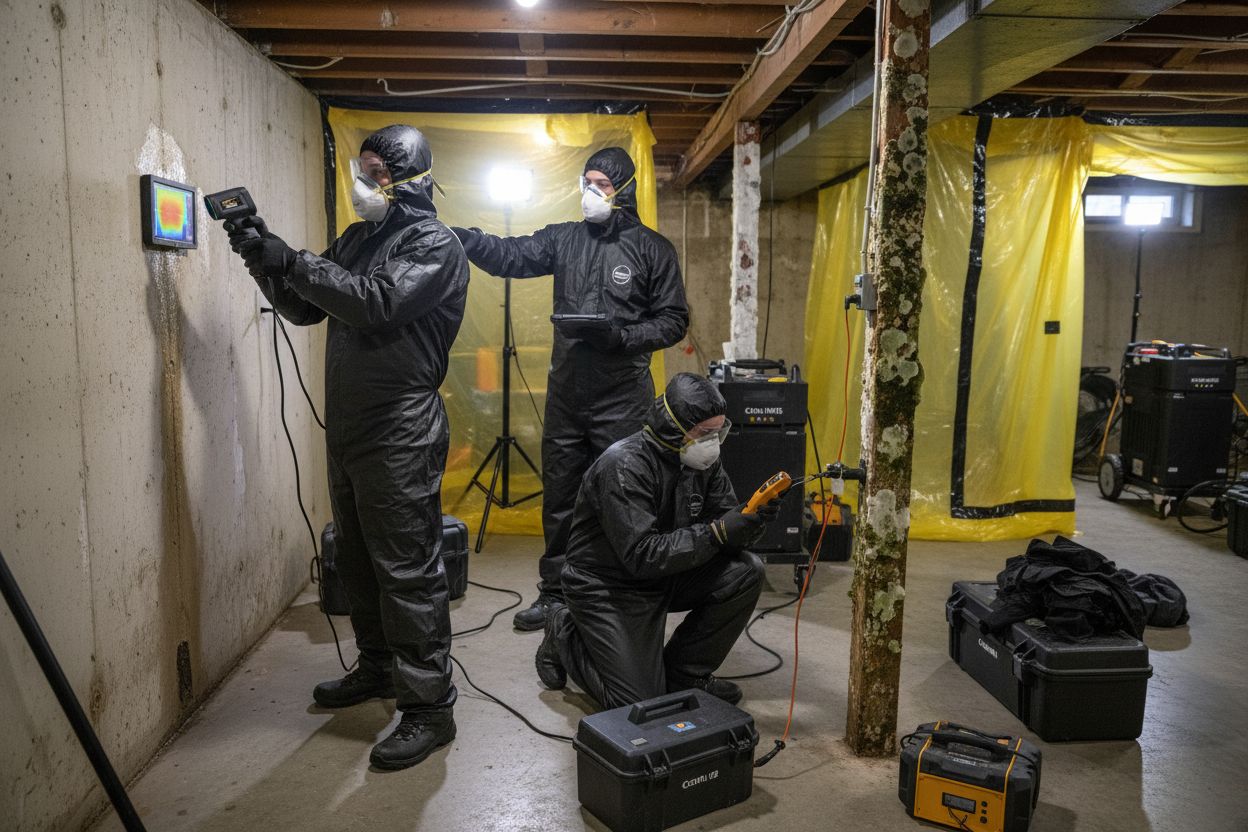
Did you know that over 45 million buildings in the United States contain unhealthy levels of mold? This silent threat can affect anyone, turning a small leak or humid space into a serious health problem. Mold exposure has been linked to respiratory issues, allergies, and even severe complications for those with existing health conditions. Understanding what makes mold dangerous helps you safeguard your home and well-being from risks that are often hidden in plain sight.
Table of Contents
- Understanding Mold And Its Health Risks
- Limitations Of Diy Mold Removal Methods
- Professional Mold Remediation Process Explained
- Legal And Insurance Implications Of Mold
- Comparing Costs: Professional Vs Diy Removal
Key Takeaways
| Point | Details |
| Health Risks of Mold | Mold exposure can cause a variety of health issues, particularly for vulnerable populations like children and the elderly. Symptoms can range from mild irritations to severe respiratory distress. |
| Limitations of DIY Removal | DIY mold removal can be inadequate for extensive contamination and may lead to incomplete removal, posing health risks and structural damage. Professional intervention is recommended for hidden or large infestations. |
| Importance of Professional Remediation | Professional mold remediation ensures a comprehensive assessment and effective removal following strict industry protocols, reducing health risks and preventing recurrences. |
| Financial Considerations | While DIY may seem cost-effective initially, professional remediation provides long-term savings by preventing future mold-related issues and health complications. |
Understanding Mold and Its Health Risks
Mold is not just an unsightly home invader—it’s a potential health hazard that silently thrives in damp, humid environments. According to the EPA, molds are fungi that can grow on numerous materials like wood, paper, carpet, and insulation, posing significant risks to human health. These microscopic organisms reproduce through tiny spores that float through indoor and outdoor air, making exposure almost inevitable.
The health implications of mold exposure are both immediate and potentially long-lasting. Research on mold symptoms reveals a range of potential reactions, from mild to severe. Common symptoms include sneezing, runny nose, red eyes, skin rashes, and respiratory irritation. For individuals with pre-existing conditions like asthma, mold can trigger serious respiratory distress and potentially life-threatening attacks.
Certain populations face heightened risks from mold exposure. Children, elderly individuals, and people with compromised immune systems or chronic respiratory conditions are particularly vulnerable. Long-term health considerations for black mold suggest that prolonged exposure might lead to more serious health complications. While research is ongoing, the potential for mycotoxin production by some mold species underscores the importance of professional remediation and proactive prevention.
Understanding mold goes beyond recognizing its appearance. It requires acknowledging its complex nature and the potential health risks it represents. Professional mold removal isn’t just about cleaning—it’s about protecting your health and creating a safe living environment.
Limitations of DIY Mold Removal Methods
While the temptation to tackle mold removal yourself might seem cost-effective, DIY methods often fall dramatically short of comprehensive remediation. According to the EPA, homeowners may successfully clean small mold areas (less than 10 square feet) using basic techniques. However, these methods quickly become ineffective and potentially dangerous when dealing with more extensive contamination.
DIY cleanup typically involves simple steps like controlling moisture and scrubbing hard surfaces with detergent and water. Yet, these surface-level approaches frequently miss critical underlying issues. Mold cleaning dos and don’ts highlight the significant risks of incomplete removal. Painting over moldy surfaces or inadequately addressing moisture sources can lead to recurring mold growth and potentially more extensive damage.
Certain scenarios absolutely require professional intervention. Hidden mold within walls, contamination from sewage or HVAC systems, and water damage beyond superficial levels demand expert assessment and treatment. These complex situations require specialized equipment, advanced detection techniques, and comprehensive remediation strategies that typical homeowners cannot effectively implement.
Ultimately, DIY mold removal is a high-risk gamble. What might seem like a simple cleaning task could be masking serious structural and health risks. Professional mold remediation ensures thorough assessment, complete removal, and preventative strategies that protect both your property and your health.
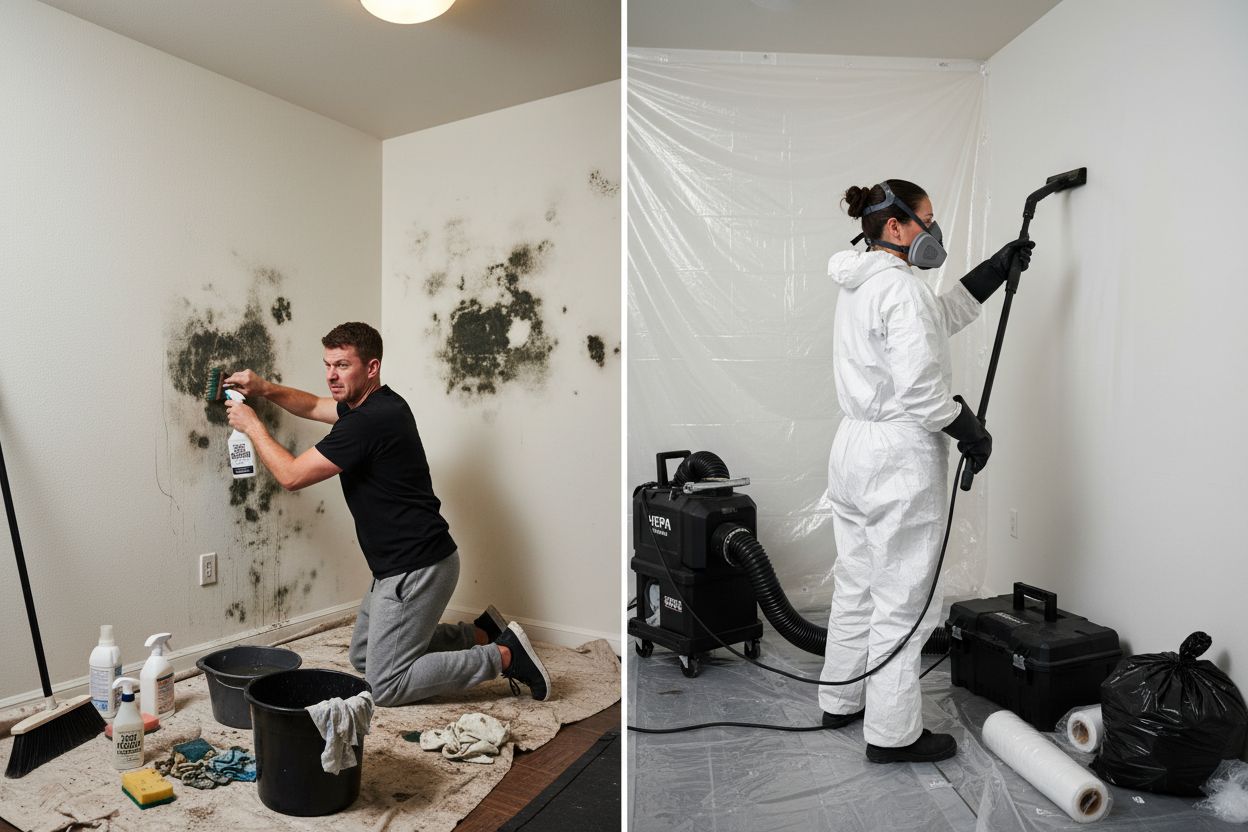
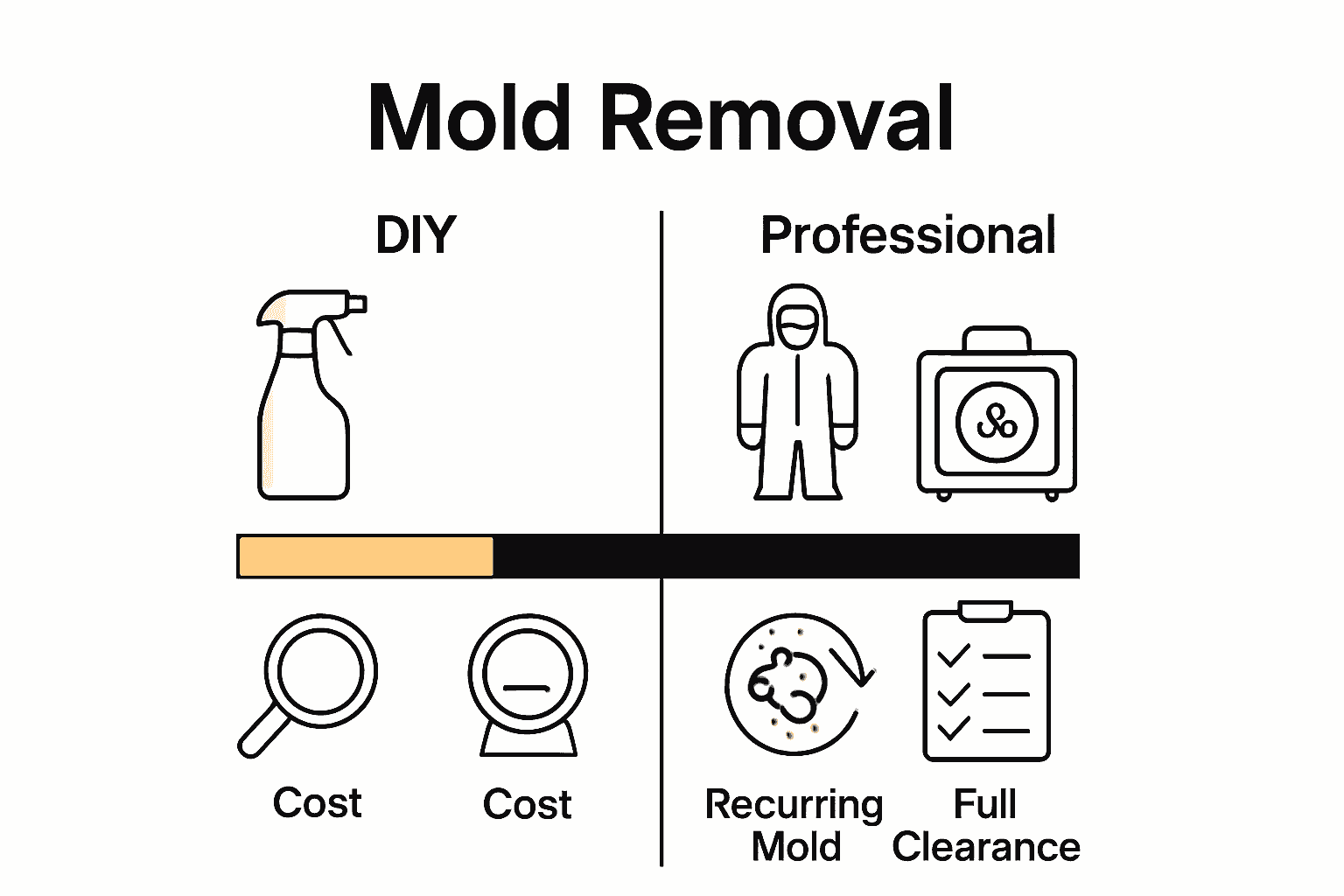
Here’s a comparison of DIY and professional mold removal:
| Criteria | DIY Mold Removal | Professional Remediation |
| Suitable Area Size | Less than 10 sq. ft. | Any size, especially large |
| Initial Cost | Low ($20-$100) | Higher ($1,200-$3,750 avg.) |
| Hidden Mold Detection | Limited | Comprehensive with equipment |
| Health/Safety Risks | Higher exposure risk | Minimized with protocols |
| Long-Term Effectiveness | Often incomplete recurring risk | Thorough prevents recurrence |
| Recommended For | Minor, surface mold | Extensive or hidden mold |
Professional Mold Remediation Process Explained
Professional mold remediation is a comprehensive, systematic approach that goes far beyond simple cleaning. According to EPA guidelines, the process becomes crucial when mold coverage exceeds 10 square feet, involves severe water damage, or contaminates critical systems like HVAC. Unlike DIY attempts, professional teams follow stringent industry protocols to ensure complete and safe mold removal.
The remediation process begins with a thorough visual assessment and moisture investigation. Professionals use specialized equipment to detect hidden mold sources, map contamination zones, and identify underlying moisture problems. Understanding the difference between mold removal and remediation reveals that true remediation isn’t just about removing visible growth, but addressing root causes and preventing future outbreaks.
Key steps in professional mold remediation typically include:
- Containment of affected areas to prevent spore spread
- Advanced air filtration using HEPA technologies
- Careful removal and disposal of contaminated materials
- Comprehensive cleaning and sanitization of surfaces
- Moisture control and structural drying
- Final clearance testing to confirm complete remediation
While the EPA does not directly certify mold remediation firms, they strongly recommend verifying professional credentials, training, and experience. Professional remediation offers more than just cleaning—it provides a strategic, scientifically-backed approach to protecting your property and health from the complex risks associated with mold contamination.
Legal and Insurance Implications of Mold
Mold damage presents a complex legal and financial landscape that can catch many property owners off guard. According to FEMA, while disaster-related mold cleanup might receive some support through the Individuals and Households Program, most mold damage falls squarely on the property owner’s responsibility. Insurance coverage for mold is notoriously limited and often requires proactive prevention and immediate action.
Homeowners face significant challenges when dealing with mold-related insurance claims. Navigating mold removal as a homeowner reveals critical insights into potential legal risks. The National Flood Insurance Program typically excludes mold damage, especially when cleanup is delayed or deemed a result of neglect. This means property owners can be left with substantial out-of-pocket expenses for comprehensive remediation.
Key legal considerations for mold damage include:
- Documenting moisture sources and remediation efforts
- Proving timely intervention and preventative measures
- Understanding potential liability for health-related claims
- Maintaining detailed records of professional assessments
- Addressing mold issues before they become extensive
Professional mold remediation becomes crucial not just for health reasons, but as a legal protection strategy. By obtaining professional documentation and following industry-standard cleanup protocols, property owners can potentially mitigate future legal disputes and insurance complications. The cost of professional remediation is often far less than the potential legal and health risks associated with untreated mold growth.
Comparing Costs: Professional vs. DIY Removal
The financial considerations of mold remediation extend far beyond simple upfront expenses. According to HomeAdvisor, professional mold remediation costs typically range between $1,222 and $3,750, with an average investment of around $2,365. Initial testing alone can cost between $250 and $800, making many homeowners consider DIY alternatives as a seemingly cost-effective solution.
DIY removal might appear inexpensive at first glance, but hidden risks can dramatically increase long-term costs. Difference between mold removal and professional remediation reveals that incomplete removal can lead to recurring infestations, structural damage, and potential health complications. The EPA warns that while small areas might be manageable for homeowners, DIY attempts often miss critical moisture sources and hidden contamination.
Cost comparison highlights include:
- Professional services: Comprehensive assessment and complete removal
- DIY approach: Lower initial cost, higher long-term risk
- Professional testing: Identifies hidden mold sources
- DIY materials: Limited effectiveness, potential recurring issues
- Professional equipment: Advanced moisture detection and remediation
Ultimately, professional mold remediation represents an investment in property protection and health safety. The seemingly higher upfront cost provides comprehensive solutions that prevent future damage, potential health risks, and more expensive repairs. Homeowners who choose professional services gain peace of mind, expert assessment, and a thorough approach to mold elimination that DIY methods simply cannot match.
Protect Your Home and Health with Professional Mold Remediation
Dealing with mold can feel overwhelming and risky. As the article reveals, mold exposure can cause serious health problems and hidden damage that simple DIY cleaning cannot fix. If you want to stop mold from coming back and safeguard your family from allergic reactions or respiratory distress, it is crucial to address the problem with expert care. Mold remediation is not just about removal but a complete strategy to restore your property and prevent future outbreaks.
Don’t wait until mold problems escalate. With 24/7 emergency response and specialized equipment, PuroClean of Northeast Sacramento offers trusted professional mold removal tailored to your needs. Learn more about how our water damage restoration and mold remediation services safeguard your home. Act now to protect your health and property by reaching out for a thorough assessment and proven solutions from certified experts. Visit us today at PuroClean of Northeast Sacramento and take the first step toward a safer, mold-free living environment.
Frequently Asked Questions
What are the health risks associated with mold exposure?
Mold exposure can cause symptoms ranging from sneezing, runny nose, and skin rashes to severe respiratory issues, especially in individuals with pre-existing conditions like asthma. Long-term exposure may lead to serious health complications.
Why is professional mold remediation necessary?
Professional mold remediation is essential for thorough assessment and complete removal, especially in cases of extensive contamination. It addresses root causes and prevents future outbreaks, ensuring a safe living environment.
What are the main differences between DIY mold removal and professional remediation?
DIY methods are suitable for small areas but often miss hidden mold and underlying moisture issues. Professional remediation provides comprehensive services that include specialized equipment, expert assessment, and effective prevention strategies.
How much does professional mold remediation typically cost?
Professional mold remediation costs usually range from $1,222 to $3,750, with an average cost around $2,365. While it may appear expensive, it prevents long-term risks and potential expensive repairs related to untreated mold.
Recommended
PuroClean 24/7 Mold Mitigation & Removal – PuroClean of Albuquerque
Mold Cleaning Do’s and Don’ts – PuroClean of Alexandria