


Water damage can be a property owner’s worst nightmare. It can cause significant harm to the structure and contents of a property.
Quick and effective response is crucial. It can mean the difference between minor repairs and major renovations.
Traditional water damage restoration techniques have served us well. However, with the advent of technology, more innovative methods have emerged.
This article explores these cutting-edge techniques. We delve into how they can help in faster and more efficient recovery from water damage.
Whether you’re a homeowner, a property manager, or a restoration professional, this guide is for you. It aims to provide comprehensive information on the latest in water damage restoration.
Stay with us as we navigate the world of water damage restoration techniques. Let’s explore how these innovative solutions can help us recover faster and more effectively.
Understanding Water Damage and Its Impacts
Water damage occurs when water gets into places where it causes problems like wood rot, mold growth, bacteria, and rust.
The impact of water damage can be severe. It can lead to structural instability, health hazards due to mold and bacteria, and significant financial loss. Understanding the extent and nature of water damage is the first step toward effective restoration.
Quick Response: The First Step in Water Damage Restoration
A quick response to water damage is crucial. The longer water remains standing, the more damage it can cause. It can seep into walls, floors, and furniture, leading to more extensive damage and higher restoration costs.
Standing water can also become a breeding ground for bacteria and mold. These can pose serious health risks if not addressed promptly. Therefore, immediate action is necessary to mitigate the effects of water damage and start the restoration process.
Traditional vs. Innovative Water Damage Restoration Techniques

Traditional water damage restoration techniques have been effective for many years. They typically involve water extraction, drying, dehumidification, and sanitization. However, these methods can be time-consuming and may not always provide the most efficient results.
In contrast, innovative water damage restoration techniques leverage advanced technology and scientific principles to enhance efficiency and effectiveness. These include:
- Advanced water extraction methods using high-powered, portable units.
- Thermal imaging for precise moisture detection.
- Use of desiccant dehumidifiers for faster drying.
- Structural drying techniques to preserve building integrity.
- Eco-friendly antimicrobial treatments for sanitization.
These cutting-edge techniques offer faster recovery times and more thorough restoration, minimizing the impact of water damage.
Advanced Water Extraction Methods
Water extraction is a critical first step in any water damage restoration process. Traditional methods often involve the use of basic pumps and vacuums. However, these can be slow and inefficient, especially in severe cases of water damage.
Innovative techniques now utilize high-powered, portable extraction units. These machines can remove water quickly and efficiently, reducing the time required for drying. They are particularly effective in situations with deep-standing water, such as flooded basements.
Drying Technology: Speeding Up the Moisture Removal Process
After water extraction, the next step is drying the affected area. Traditional drying methods can take days or even weeks, depending on the extent of the water damage. This prolonged dampness can lead to secondary damage, such as mold growth.
Innovative drying technology, like high-velocity air movers and desiccant dehumidifiers, can significantly speed up drying. These machines work by circulating air and reducing humidity levels, promoting faster evaporation. This rapid drying can prevent further damage and help restore the property to its original condition.
Thermal Imaging and Moisture Detection
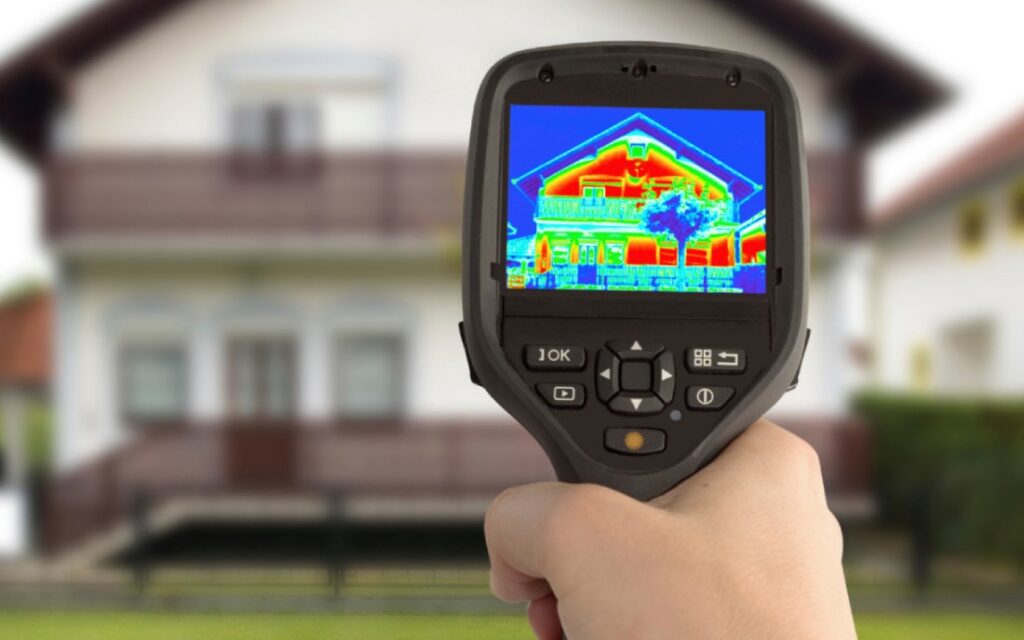
Detecting hidden moisture is a crucial part of water damage restoration. Traditional methods, such as visual inspection and touch, can miss moisture trapped in walls, ceilings, or floors. This can lead to undetected water damage and potential mold growth.
Innovative techniques now include the use of thermal imaging cameras for moisture detection. These devices can identify temperature differences in building materials, indicating areas of moisture that may not be visible to the naked eye. This ensures a thorough and effective restoration process.
The Role of Desiccant Dehumidifiers in Restoration
Desiccant dehumidifiers play a significant role in water damage restoration. These devices work by absorbing moisture from the air, effectively reducing humidity levels in the affected area. This accelerates drying and helps prevent secondary water damage such as mold growth.
Desiccant dehumidifiers are also particularly effective in colder climates where traditional refrigerant dehumidifiers may struggle to operate efficiently. By using innovative equipment like desiccant dehumidifiers, restoration professionals can ensure a faster and more thorough drying process.
Structural Drying and Building Integrity
Structural drying is a critical aspect of water damage restoration. It involves specialized techniques and equipment to remove moisture from the structural elements of a building. This process is crucial to maintaining the integrity of the building and preventing further damage.
Innovative techniques in structural drying, such as the use of high-velocity air movers and targeted heat application, can significantly speed up the drying process. These methods save time while reducing the risk of secondary damage, ensuring a more effective and efficient restoration process.
Eco-Friendly Antimicrobial Treatments for Water Damage
Water damage often leads to mold and bacteria growth, posing health risks. Antimicrobial treatments are used to eliminate these harmful organisms and prevent their recurrence. However, traditional antimicrobial treatments can contain harsh chemicals that may pose environmental concerns.
In response, innovative water damage restoration techniques now include eco-friendly and non-toxic antimicrobial treatments. These green solutions are just as effective in eliminating mold and bacteria without harmful side effects. They represent a safer choice for both the occupants and the environment.
Selecting the Right Water Damage Restoration Services
Choosing the right water damage restoration service is crucial for effective recovery. It’s important to select a company that uses innovative techniques and advanced equipment.
Additionally, the company should have trained professionals, offer transparent pricing, and provide excellent customer service. These factors ensure a smooth and efficient restoration process.
Conclusion: Embracing New Techniques for Effective Water Damage Restoration
Embracing innovative water damage restoration techniques is key to faster and more efficient recovery. These cutting-edge solutions, from advanced water extraction methods to thermal imaging for moisture detection, offer significant improvements over traditional methods.
The selection of the right water damage restoration service is crucial. A service that uses these innovative techniques, provides excellent customer service and offers transparent pricing can greatly ease the recovery process. Ultimately, the goal is to restore the property to its pre-damage condition as quickly and efficiently as possible.
For expert water restoration services in Alsip, contact PuroClean Disaster Mitigation today!