


Table of Contents
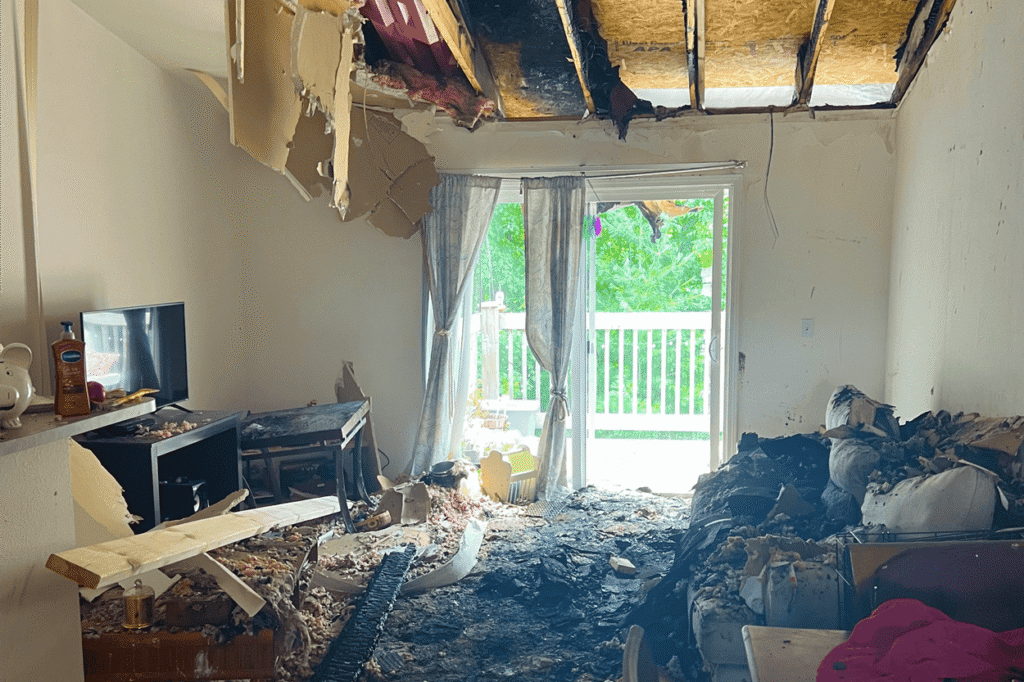
Disaster restoration is the crucial process of bringing your property back to a safe and livable condition after events like floods, fires, or storms. In Scottsdale, disasters can strike unexpectedly, leaving homeowners overwhelmed by the aftermath. Whether you’re facing water damage, smoke residue, or structural issues, taking the right steps early can make all the difference. This guide shares 10 essential disaster restoration tips and explains why professional help is the safest and most efficient path to recovery.
Assessing the Damage Safely
Before doing anything, make sure your property is safe to enter. Disasters often leave behind hidden dangers such as gas leaks, exposed electrical wires, and unstable structures. Wear protective gear and avoid touching anything until professionals assess the situation. Once it’s safe, carefully identify visible damage—cracked walls, standing water, or smoke residue—and take photos for your records.
The Importance of Acting Fast
When it comes to disaster restoration, timing is everything. Water, soot, and smoke can cause more destruction the longer they sit. Mold begins growing within 24 to 48 hours after exposure to moisture, and fire residues can permanently stain surfaces if ignored. Acting quickly minimizes secondary damage and health risks while reducing overall repair costs.
Why Professional Restoration Matters
Professional restoration companies in Scottsdale have the expertise and tools needed to handle any type of disaster. From advanced moisture detectors to industrial air scrubbers, professionals use specialized equipment to clean, dry, and repair your home thoroughly. They also understand local building codes and safety standards, ensuring that your property is restored correctly and safely.
Tip 1 – Hire a Certified Restoration Company
Not all restoration companies are equal. Choose one certified by the Institute of Inspection Cleaning and Restoration Certification (IICRC). Certified experts follow strict procedures to ensure effective cleanup and restoration. Hiring professionals guarantees faster recovery, accurate assessments, and peace of mind during stressful times.
Tip 2 – Document Everything for Insurance
Proper documentation is key to a successful insurance claim. Take clear photos and videos of all damaged areas before any cleanup begins. Keep records of communication with your insurer and store receipts for repairs or temporary accommodations. Accurate documentation can speed up your claim and help you get full compensation.
Tip 3 – Focus on Water Mitigation First
If your disaster involves flooding or leaks, start with water mitigation. Professionals use high-powered pumps and dehumidifiers to remove water and moisture from walls, floors, and furniture. Immediate mitigation prevents structural damage, mold growth, and costly future repairs.
Tip 4 – Don’t Attempt Major Repairs Yourself
DIY repairs might seem cost-effective but can make things worse. Without proper tools and training, you could overlook hidden damage or create new safety hazards. Professional restoration teams handle repairs safely and ensure every part of your property—from the foundation to the ceiling—is properly restored.
Tip 5 – Address Mold and Mildew Immediately
Mold can begin forming in less than two days after water exposure. It causes unpleasant odors, damages property, and can trigger respiratory problems. Professional mold remediation involves identifying contaminated areas, removing spores, and sanitizing surfaces to prevent recurrence.
Tip 6 – Prioritize Structural Integrity
After any disaster, your property’s structure must be evaluated. Cracks in walls, damaged foundations, and weakened roofs can lead to serious risks if ignored. Restoration professionals inspect and reinforce structures to ensure your home remains safe and stable.
Tip 7 – Restore Electrical and Plumbing Systems
Disasters often compromise electrical and plumbing systems. Exposed wires or flooded outlets can cause fires and shocks. Similarly, damaged plumbing may lead to leaks and contamination. Certified electricians and plumbers should inspect these systems before you move back in.
Tip 8 – Salvage and Restore Belongings
Many items can be restored with professional techniques. Experts use advanced drying, deodorizing, and cleaning methods to save documents, furniture, and electronics. Acting fast increases the likelihood of recovering more of your valuable belongings.
Tip 9 – Focus on Cleaning and Sanitization
After cleanup, deep sanitization ensures your property is free from bacteria, smoke residue, and contaminants. Professionals use industrial-grade disinfectants and air purifiers to eliminate lingering odors and improve indoor air quality. This step is vital for maintaining a healthy living environment.
Tip 10 – Follow-Up Monitoring
Even after the visible damage is repaired, follow-up monitoring ensures lasting safety. Professionals often revisit restored properties to check for hidden moisture, mold regrowth, or air quality issues. This helps detect problems early and protects your investment in the long run.
Conclusion
Recovering from a disaster in Scottsdale requires more than just cleaning up—it demands expertise, speed, and precision. Professional disaster restoration ensures your home is not only repaired but also safe for you and your family. By following these 10 tips, you can minimize risks, streamline the restoration process, and restore your peace of mind faster. Don’t face disasters alone—let experienced restoration professionals guide you back to safety and comfort.
FAQs
1. How long does professional disaster restoration take?
The timeline depends on the type and extent of damage, but most projects are completed within a few days to several weeks.
2. Can I include restoration costs in my insurance claim?
Yes, if you’ve properly documented the damage and hired certified professionals, your insurance should cover most restoration costs.
3. Is it safe to stay at home during restoration?
Not always. Professionals can advise whether your home is safe or if temporary relocation is necessary.
4. How do I find a reliable disaster restoration company in Scottsdale?
Look for IICRC certification, strong reviews, transparent pricing, and local experience in handling various types of disasters.
5. Why should I avoid DIY restoration?
DIY methods often miss hidden damage and can expose you to electrical or structural risks. Professionals ensure safety, compliance, and lasting results.