


Table of Contents
Water damage can be a homeowner’s worst nightmare. Whether it’s a burst pipe, a roof leak, or a natural disaster, excess water can quickly wreak havoc on your property. The key to minimizing damage? Water mitigation.
But what exactly is water mitigation, and why is it so important? This guide will break it all down, explaining the process, why you need it, and how professionals handle water damage step by step. Let’s dive in!
What Is Water Mitigation?
Water mitigation is the process of reducing and preventing the spread of water damage after a leak, flood, or plumbing failure. The goal is to remove excess water, dry out affected areas, and stop further damage before restoration begins.
How It Differs from Water Damage Restoration
Water mitigation and water damage restoration are not the same:
- Water mitigation is about stopping the damage (water removal, drying, and prevention).
- Restoration is about fixing the damage (rebuilding, repairing, and replacing materials).
Why Water Mitigation Is Essential
Preventing Further Damage
Water spreads fast—seeping into floors, walls, and ceilings. If not handled quickly, it can cause structural damage that requires costly repairs.
Avoiding Mold and Health Risks
Standing water is a breeding ground for mold, bacteria, and other harmful pathogens. Proper mitigation reduces the risk of respiratory issues, allergies, and infections.
Protecting Your Home’s Value
Unresolved water damage lowers property value and can make selling your home difficult. Water mitigation helps protect your investment.
Step-by-Step Water Mitigation Process
Step 1: Emergency Response and Damage Assessment
- Water mitigation experts arrive quickly to assess the damage.
- They identify the source of water and ensure safety measures are in place.
Step 2: Water Removal and Extraction
- Powerful pumps and vacuums remove standing water.
- Submersible pumps handle deep flooding situations.
Step 3: Drying and Dehumidification
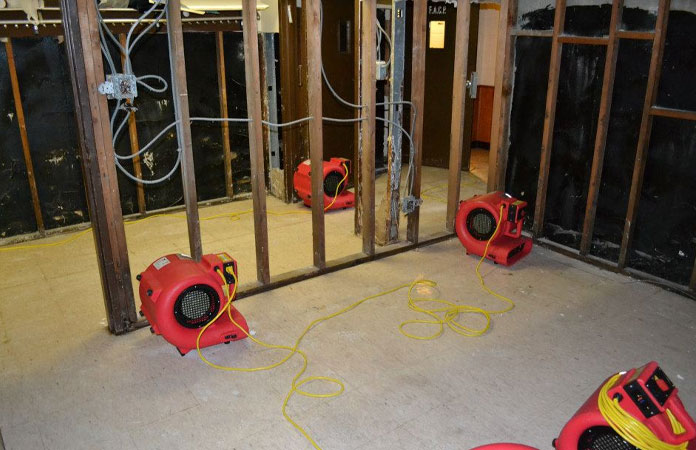
- Industrial fans, air movers, and dehumidifiers remove excess moisture.
- Moisture levels are monitored to prevent hidden damp spots.
Step 4: Cleaning and Sanitization
- Antimicrobial treatments prevent mold growth.
- Carpets, furniture, and walls are cleaned and deodorized.
Step 5: Ongoing Monitoring and Final Inspection
- Technicians re-check moisture levels to ensure complete drying.
- A final inspection confirms the area is safe and fully mitigated.
When to Call a Professional Water Mitigation Company
Signs You Need Immediate Help
- Large areas of standing water
- Water is soaking into walls, ceilings, or floors
- Signs of mold or musty odors
- Electrical risks or contaminated water present
DIY vs. Professional Water Mitigation
- Minor leaks? You may be able to handle them yourself.
- Major flooding or sewage backup? Call the professionals!
Common Causes of Water Damage in Homes
Burst Pipes and Plumbing Leaks
Aging pipes, frozen pipes, or faulty plumbing can lead to unexpected leaks and water damage.
Storms and Flooding
Heavy rains, hurricanes, and flash floods can overwhelm drainage systems and flood homes.
Malfunctioning Appliances
Leaking water heaters, washing machines, and dishwashers can cause significant water damage.
Roof Leaks and Poor Drainage
Clogged gutters or a damaged roof can let water seep inside, damaging ceilings and walls.
Does Homeowners Insurance Cover Water Mitigation?
What’s Covered and What’s Not?
- Covered: Sudden water damage (burst pipes, storms).
- Not Covered: Gradual damage from neglect or poor maintenance.
How to File a Water Damage Insurance Claim
- Document the damage with photos/videos.
- Contact your insurance provider ASAP.
- Work with a water mitigation company to assess and repair damages.
Water Mitigation vs. Water Damage Restoration
Key Differences Explained
- Mitigation = Prevention & Cleanup
- Restoration = Repairs & Reconstruction
When You Need Both Services
Water mitigation is always the first step. If significant damage remains, restoration services follow.
Choosing the Right Water Mitigation Company
Essential Qualities to Look For
- Licensed, certified, and experienced professionals
- 24/7 emergency service availability
- Positive reviews and testimonials
Questions to Ask Before Hiring
- How quickly can you respond?
- Do you work with insurance companies?
- Can you provide references from past customers?
Conclusion
Water mitigation is crucial in preventing serious damage after water intrusion. Acting fast can save you money, protect your health, and keep your home in good condition. If you experience water damage, don’t wait—call a professional immediately!
FAQs
1. How long does water mitigation take?
It depends on the extent of the damage, but usually 24-72 hours.
2. Can I do water mitigation myself?
Small leaks? Yes. Major flooding? Call a pro.
3. How much does water mitigation cost?
It varies based on damage severity and affected areas.
4. Does homeowners insurance cover water mitigation?
Most policies cover sudden water damage, but not gradual leaks.
5. What happens if water mitigation is delayed?
Delays lead to mold, structural damage, and costly repairs.