Professional mold remediation services to safely address mold growth and restore healthy indoor conditions after moisture-related damage.
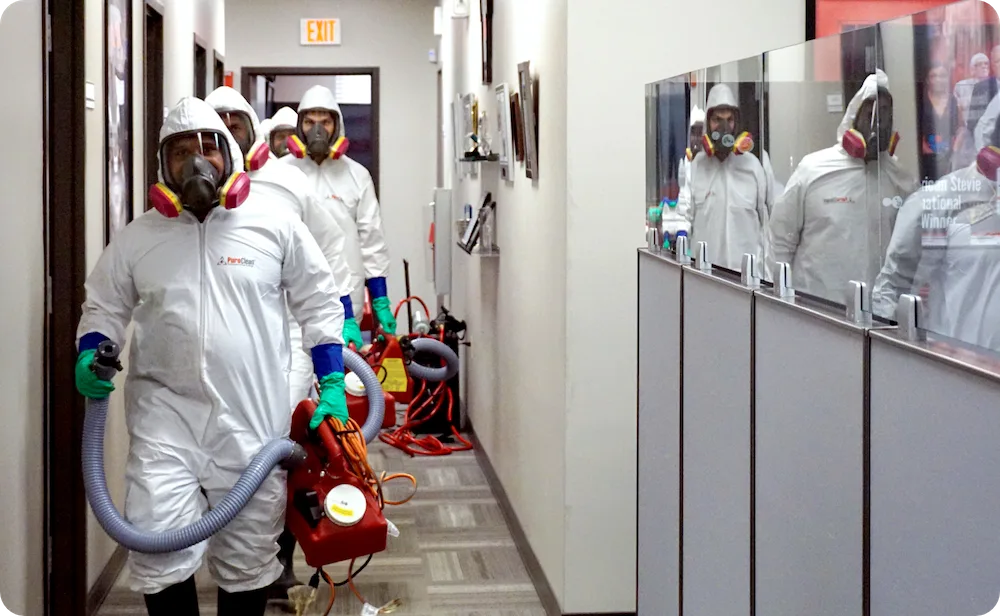
Professional mold remediation isolates the affected area with containment, uses HEPA filtration to control airborne particles, removes or cleans impacted materials, corrects the moisture source, and verifies dryness and conditions before reconstruction or reoccupancy.
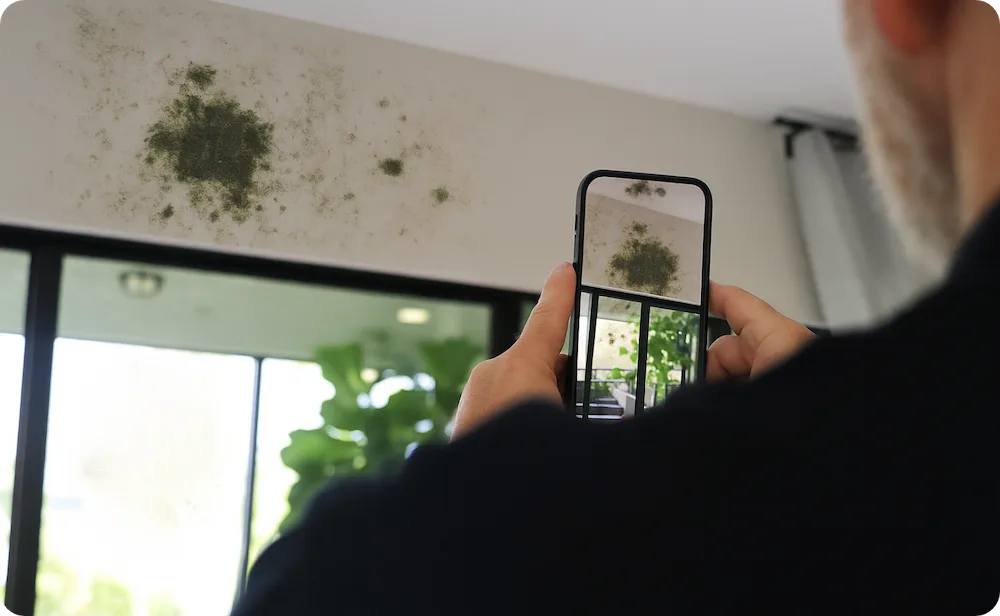
When you suspect mold but can’t see it—or you’ve found a small patch and worry it’s bigger behind the surface—the most important first step is controlling where the air (and particles) can travel. Proper containment and isolation keep spores from spreading into clean rooms while the affected area is investigated and corrected. PuroClean of South Apopka approaches mold remediation as a safety-focused, methodical project: we identify the moisture driver, map where mold is actually present (including hidden cavities), isolate the work zone, remove or clean impacted materials, and verify conditions before the area is put back into normal use. If you’re unsure whether what you’re seeing is “just surface staining” or a sign of deeper growth, you don’t have to guess—we’ll walk you through what we can confirm by inspection versus what requires sampling. Most mold problems are really moisture problems. In Florida homes, that can include bathroom and kitchen humidity, AC condensate issues, plumbing leaks, roof or window intrusion, or damp building cavities that never fully dry after a past event. Our job is to find the pathway, stop it, and remediate safely—without over-tearing out materials that can be preserved.
Limit air movement between the suspected area and the rest of the home. If the mold is in a room you can close off, keep the door shut and avoid running fans that blow across the affected area. If it’s safe to do so, turn off the HVAC system if you believe the contamination is being pulled into returns or spread through supply vents. Avoid disturbing visible growth (scrubbing, sanding, pulling drywall) because that can aerosolize particles. If there’s an active leak or obvious moisture, stop the water source and place towels or a container to prevent further wetting—then leave wet building materials in place until a professional can assess the extent. Take a few photos for your records, and call PuroClean of South Apopka at (407) 680-2224 to schedule an inspection and containment plan.
We start by identifying likely moisture sources and checking for elevated moisture in drywall, trim, flooring edges, and adjacent rooms. When needed, we use non-invasive tools to help pinpoint where further access is warranted.
What Our Customers Say:
When mold is inside a wall or ceiling cavity, the biggest risk isn’t just the spot you can see—it’s cross-contamination. Opening drywall, removing baseboards, or pulling insulation without isolation can push particles into adjacent rooms and into the HVAC return path, turning a contained problem into a whole-home cleaning project. In Central Florida, we frequently find hidden colonies behind shower tile and around tub surrounds where slow moisture migration stays trapped for years, especially when grout lines, caulk joints, or waterproofing details fail gradually. Attics can also develop widespread growth when humid outdoor air meets cooler roof decking and ventilation is unbalanced. Containment-first remediation limits spread while we trace the moisture pathway and confirm the true extent.
Mold coverage in Florida often depends on what caused the moisture (for example, a sudden plumbing leak vs. long-term seepage), what part of the home was affected, and how quickly the issue was reported. If you plan to file a claim, document the first visible signs, any active leaks, and any areas we need to open to access hidden growth. PuroClean of South Apopka can provide photos, moisture readings, containment notes, and a clear scope of work showing what was removed, what was cleaned, and what conditions were verified at completion. If an adjuster or consultant requests lab results, we can help you understand when sampling is useful and how it should be collected to match the remediation plan.
If you suspect mold is spreading beyond what you can see, the next step is a careful investigation and a containment plan—not guesswork. Call PuroClean of South Apopka at (407) 680-2224 to schedule an inspection. We’ll help you locate the moisture driver, define the true boundaries of the affected area, and outline the safest path to remediation and verification.
Find answers to common questions about our services
Common signs include a persistent musty odor, recurring staining that returns after cleaning, soft or bubbling drywall, peeling paint, or symptoms that worsen in one specific room. A professional inspection pairs moisture readings with targeted investigation to determine whether growth is inside cavities or limited to a surface area.
Hidden mold usually forms where moisture is trapped—inside wall cavities, behind cabinets, under flooring, or around HVAC/condensate components. Small, slow leaks, intermittent roof/window intrusion, and humid air condensing on cooler surfaces can keep materials damp long enough for growth to develop out of sight.
If you already have visible growth plus a clear moisture source, it’s often reasonable to move straight to remediation with proper containment. Testing is most helpful when the source or extent is unclear, when you need third-party documentation, or when you want post-remediation clearance for peace of mind. We can explain what inspection can confirm versus when sampling adds real value.
Containment is designed to reduce cross-contamination by isolating the work area, controlling airflow, and using HEPA filtration during removal and cleaning. It’s especially important when opening drywall or removing insulation, because those steps can release particles if the area isn’t properly isolated.
Often yes for small, isolated projects with solid containment, but it depends on where the work zone is, how many rooms are affected, and whether HVAC needs to be temporarily shut down. We’ll review your layout and help you decide whether temporary relocation from certain rooms is the safest, most practical option.
We verify that affected materials were removed or properly cleaned, containment was maintained, and the area is dry based on moisture readings and a final visual inspection. Clearance testing is optional in some situations and recommended in others; we’ll explain what it can confirm for your specific loss.
Coverage varies by policy and by the cause of loss, so it’s important to review your specific endorsements and exclusions. We provide photos, drying/moisture documentation when applicable, and a detailed scope that helps an adjuster understand why containment, removal, and verification steps were necessary.
Our mold remediation team is trained, certified, and experienced in addressing a wide range of residential mold situations. We follow industry standards and proven remediation practices to support safe, effective results.
Mold concerns can be stressful and confusing. Our team works with insurance providers when applicable to help document mold-related damage and guide homeowners through next steps with clarity and transparency.
Certain mold situations require immediate attention, especially when linked to active water intrusion. Our team is available 24/7 to respond when mold or moisture concerns need prompt action.
Water damage can result from unexpected leaks, flooding from storms, plumbing failures, or appliance malfunctions. Our certified teams focus on rapid water removal, drying, and stabilization to help prevent further damage and mold growth.
 Explore Our Water Damage Mitigation Services
Even after a fire is extinguished, smoke, soot, and odor can continue to affect your home. Fire damage restoration services address visible damage while also helping reduce lingering effects that impact indoor air quality and surfaces.
Explore Our Fire and Smoke Damage Restoration Services
Mold often develops as a result of unresolved moisture or hidden water damage. Professional mold remediation helps identify affected areas, contain growth, and restore healthy indoor conditions.
Explore Our Mold Removal and Remediation Services
Biohazard situations, including crime scene cleanup and virus decontamination, require specialized cleaning and handling to protect health and safety. Biohazard cleanup services address contamination using proper protocols and professional care.
Explore Our Biohazard Cleanup Services
In some cases, property damage requires repairs beyond cleanup and mitigation. Reconstruction services help restore damaged areas of the home after water, fire, or other incidents, supporting a smoother transition from damage to recovery.
Explore Our Reconstruction Services Services
Licensed commercial biohazard cleanup and decontamination for Apopka, FL businesses. PuroClean of South Apopka provides biohazard remediation, trauma scene
Explore Our Commercial Biohazard Cleanup Services
Certified commercial mold remediation and prevention for Apopka, FL businesses. PuroClean of South Apopka provides mold assessment, contained removal, and mold remediation
Explore Our Commercial Mold Remediation Services
Professional commercial fire and smoke damage restoration for Apopka, FL businesses. PuroClean of South Apopka provides fire damage cleanup, smoke odor
Explore Our Commercial Fire Damage Restoration Services
Expert commercial water damage restoration for Apopka, FL businesses. PuroClean of South Apopka provides rapid water extraction, structural drying, and damage
Explore Our Commercial Water Damage Restoration Services
Water damage can result from unexpected leaks, flooding from storms, plumbing failures, or appliance malfunctions. Our certified teams focus on rapid water removal, drying, and stabilization to help prevent further damage and mold growth.
Explore Our Water Damage Mitigation Services


PuroClean of South Apopka
(407) 680-2224
970-980 Sunshine Lane, Altamonte Springs, FL 32714

© 2026 PuroClean. All Rights Reserved.